ASUS TUF Gaming FX706HM-HX005T RAM upgrade specifications
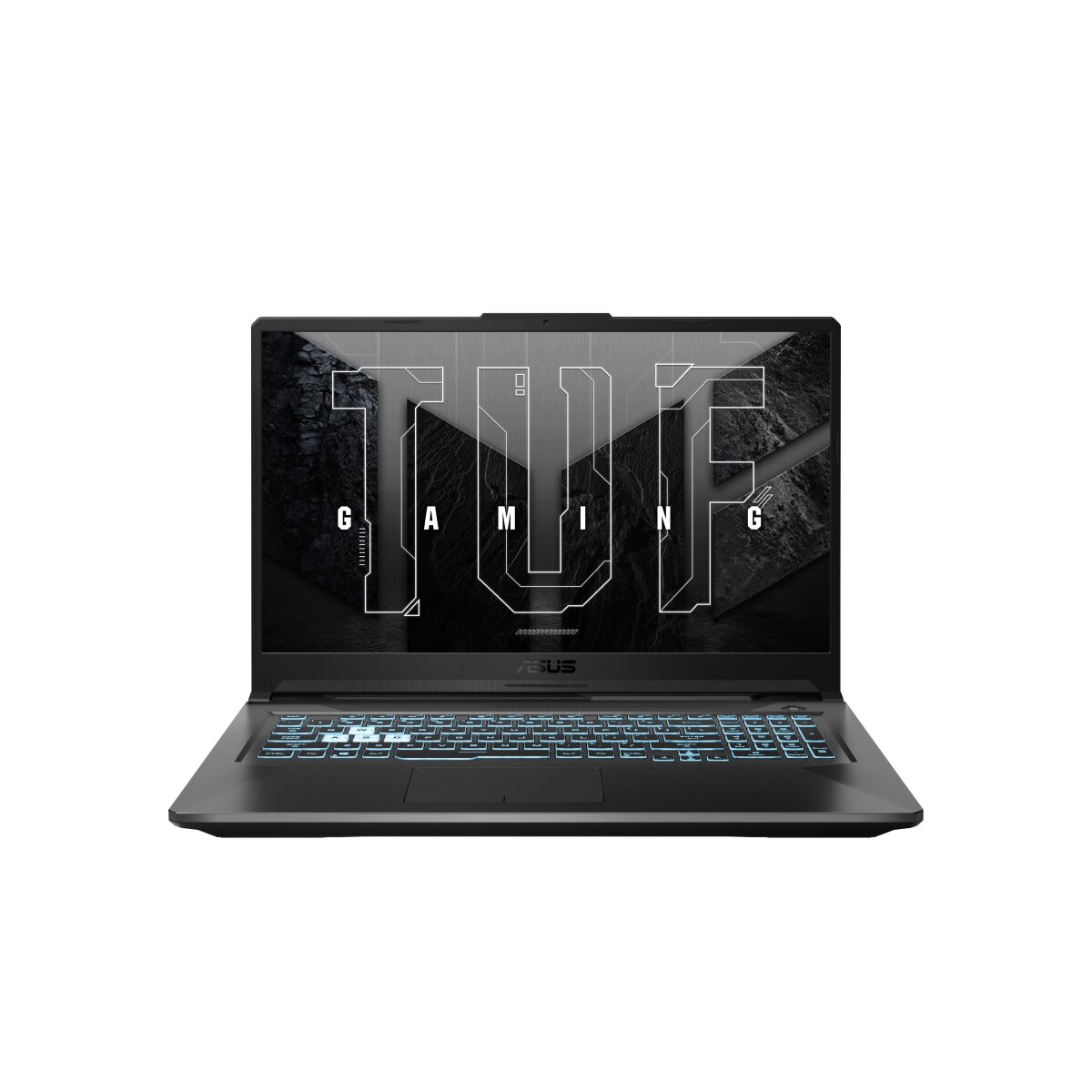
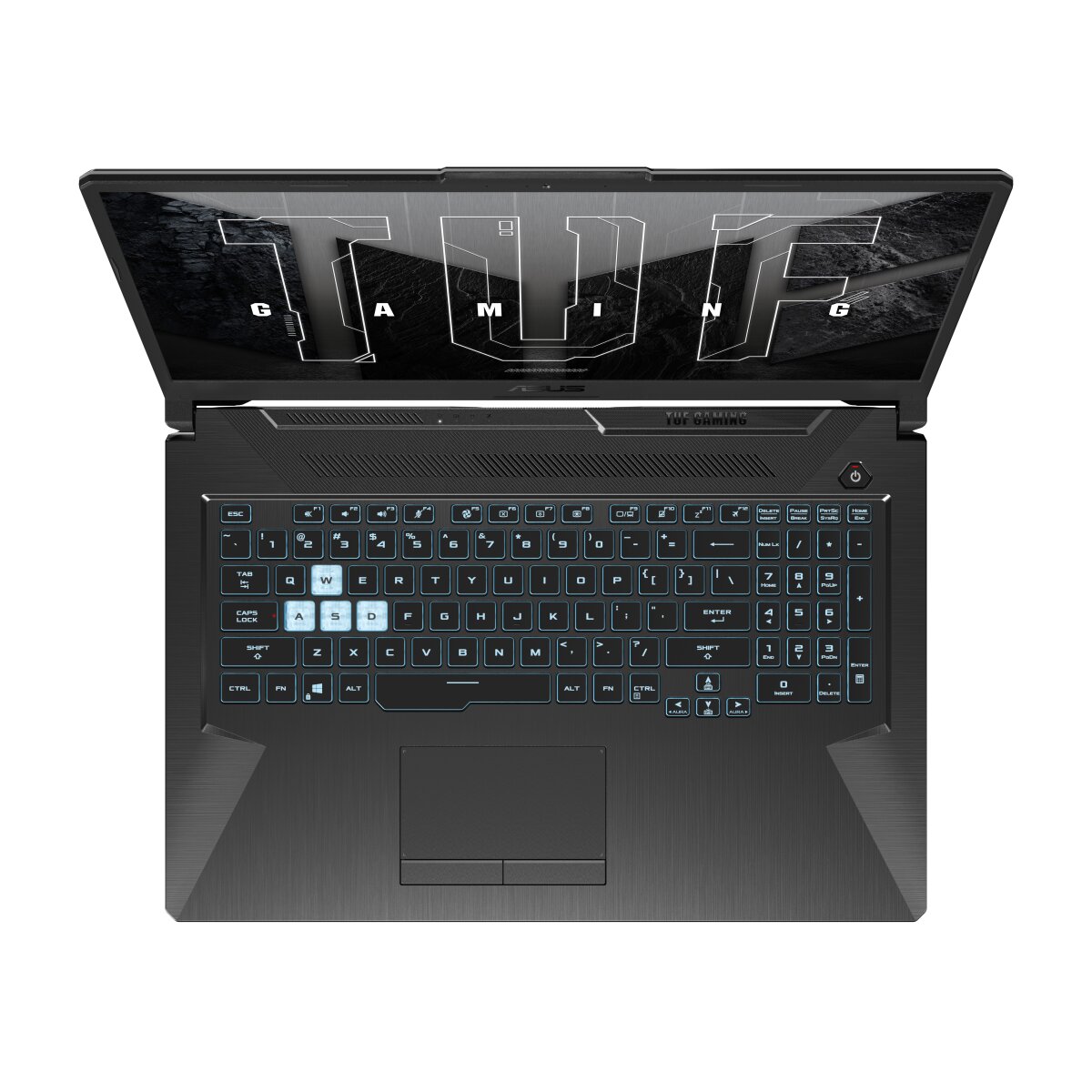



ASUS TUF Gaming F17 FX706HM-HX005T laptop RAM upgrade specifications include two SO-DIMM memory slots supporting DDR4-SDRAM modules. Maximum RAM capacity reaches 32 GB total when both slots are populated. Compatible memory operates at 3200 MHz frequency. Upgrade specifications indicate DDR4 SO-DIMM form factor for memory expansion, allowing users to increase system RAM beyond factory configuration within stated maximum capacity constraints.
Memory Upgrade Specifications
| Specification | Value |
|---|---|
| Memory slots | 2x SO-DIMM |
| Form factor | SO-DIMM |
| Memory type | DDR4-SDRAM |
| Frequency | 3200 MHz |
| Maximum RAM | 32 GB |
| Voltage | 1.2V |
| Number of pins | 260-pin |
| Interface | PC4 |
| PC Speed Rating | PC4-3200 (PC4-25600) |
| Bandwidth | 25.6 GB/s |
| Laptop Release date | 07 June 2021 |
Additional Notes
- The ASUS TUF Gaming FX706HM-HX005T imposes a 16 GB per-slot ceiling, preventing the installation of individual 32 GB modules even if the slots are physically compatible.
- Operating the memory in single-channel mode results in significant GPU performance degradation for integrated or shared graphics architectures, as memory bandwidth directly impacts frame rendering capability.
- Mixing modules with different CAS latencies forces the memory controller to default to the slower timing specification across both channels, reducing effective throughput below rated speeds.
- The 3200 MHz specification requires JEDEC SPD or XMP profile support in the BIOS, as manual timing configuration is typically locked in consumer laptop firmware.
- Mismatched module capacities between slots maintain dual-channel operation only up to the capacity of the smaller module, with remaining capacity reverting to single-channel access.
- Non-standard SO-DIMM heights exceeding 30mm may create physical interference with thermal solutions or chassis components in this form factor.
- Voltage variations beyond the DDR4 standard 1.2V specification risk thermal throttling or system instability without corresponding BIOS support for alternative power profiles.
- Populating both slots increases thermal density within the memory compartment, potentially necessitating improved ambient cooling to maintain stability under sustained workloads.
- Third-party modules lacking manufacturer qualification for this specific platform may exhibit stability issues despite matching published specifications due to non-standard PCB designs or chip binning.
- Warranty preservation typically requires retaining original modules for potential service scenarios, as some manufacturers void coverage when detecting non-factory configurations during diagnostics.