ASUS TUF Gaming FX706HM-HX004T RAM upgrade specifications

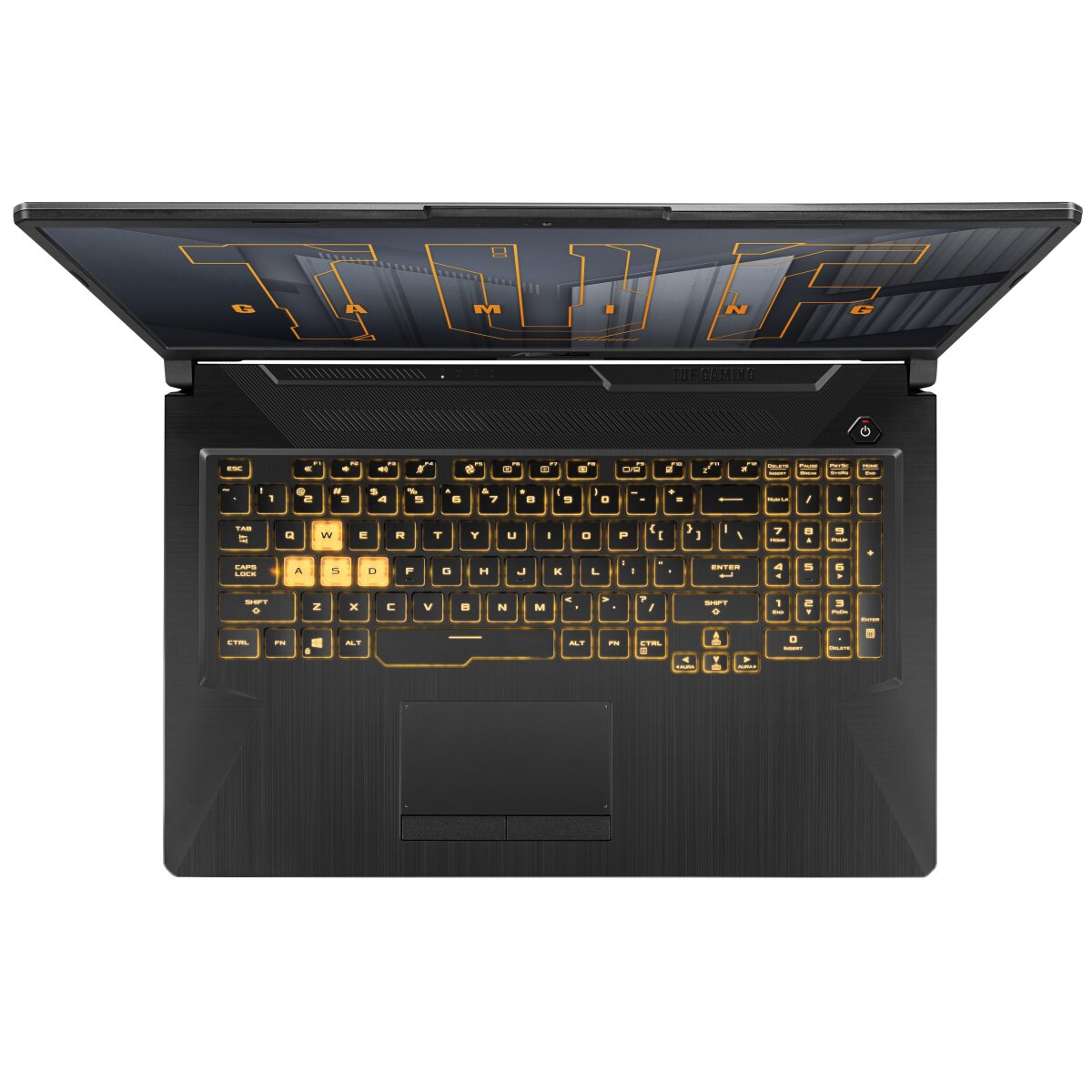


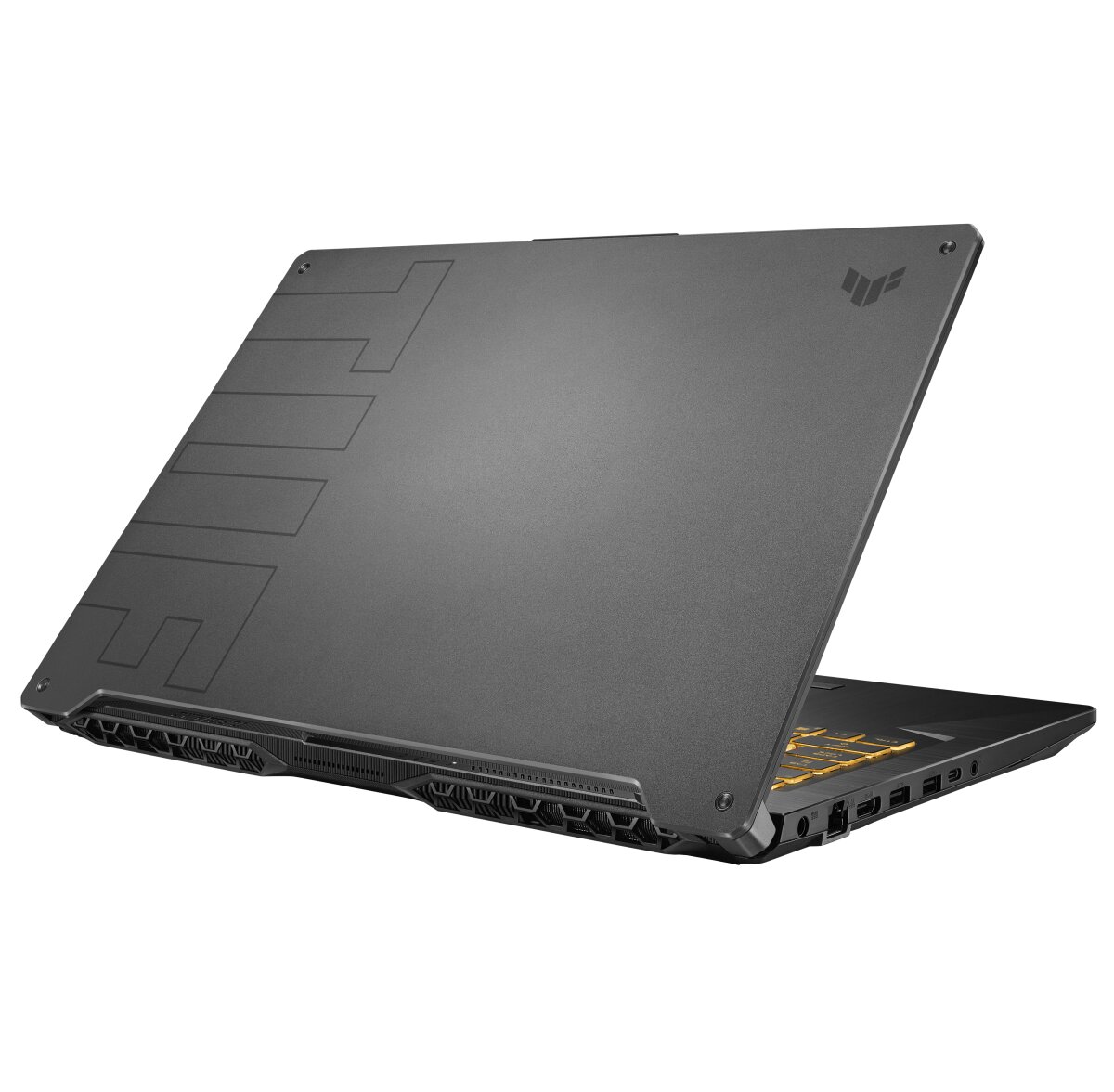
The ASUS TUF Gaming F17 FX706HM-HX004T laptop features DDR4-SDRAM memory upgrade capabilities. The device contains 2x SO-DIMM memory slots supporting a maximum RAM capacity of 32 GB. Compatible memory modules operate at 3200 MHz frequency with SO-DIMM form factor. Specifications enable users to upgrade existing memory configuration by replacing or adding DDR4-SDRAM modules to achieve maximum supported capacity.
Memory Upgrade Specifications
| Specification | Value |
|---|---|
| Memory slots | 2x SO-DIMM |
| Form factor | SO-DIMM |
| Memory type | DDR4-SDRAM |
| Frequency | 3200 MHz |
| Maximum RAM | 32 GB |
| Voltage | 1.2V |
| Number of pins | 260-pin |
| Interface | PC4 |
| PC Speed Rating | PC4-3200 (PC4-25600) |
| Bandwidth | 25.6 GB/s |
| Laptop Release date | 17 September 2021 |
Additional Notes
- The ASUS TUF Gaming FX706HM-HX004T supports dual-channel memory architecture through its 2 SO-DIMM slots, enabling doubled theoretical bandwidth compared to single-channel configurations when matched modules are installed.
- Achieving the 32 GB ceiling requires two 16 GB modules, as no single SO-DIMM DDR4 module exceeding 16 GB exists in the consumer market.
- The 3200 MHz specification represents the maximum supported frequency; lower-speed modules will function but operate at their native speed or the system's fallback frequency, potentially reducing memory-intensive application performance.
- Mixed-capacity configurations (such as 8 GB paired with 16 GB) will activate flex mode on most implementations, running a portion in dual-channel and the remainder in single-channel, creating asymmetric bandwidth availability.
- SO-DIMM modules operate at 1.2V standard for DDR4, distinguishing them from desktop DIMM variants and preventing physical compatibility between form factors despite identical generation technology.
- Non-matching RAM timings between modules may force the memory controller to operate at the slower module's latency values, introducing minor performance degradation in bandwidth-sensitive workloads.
- DDR4-3200 represents PC4-25600 in alternative notation, indicating 25.6 GB/s theoretical peak bandwidth per channel or 51.2 GB/s combined in proper dual-channel operation.
- Memory installation requires bottom panel disassembly, and manufacturer warranty terms typically permit user-performed RAM upgrades without voiding coverage, though verification of regional warranty policies remains advisable.
- The chipset does not support DDR5, making future-proofing through memory standard upgrades impossible without complete system replacement.
- Higher-frequency modules beyond 3200 MHz (such as 3600 MHz) will downclock to the supported ceiling, offering no performance benefit despite potential price premiums.