ASUS TUF Gaming FX706HM-ES74 RAM upgrade specifications

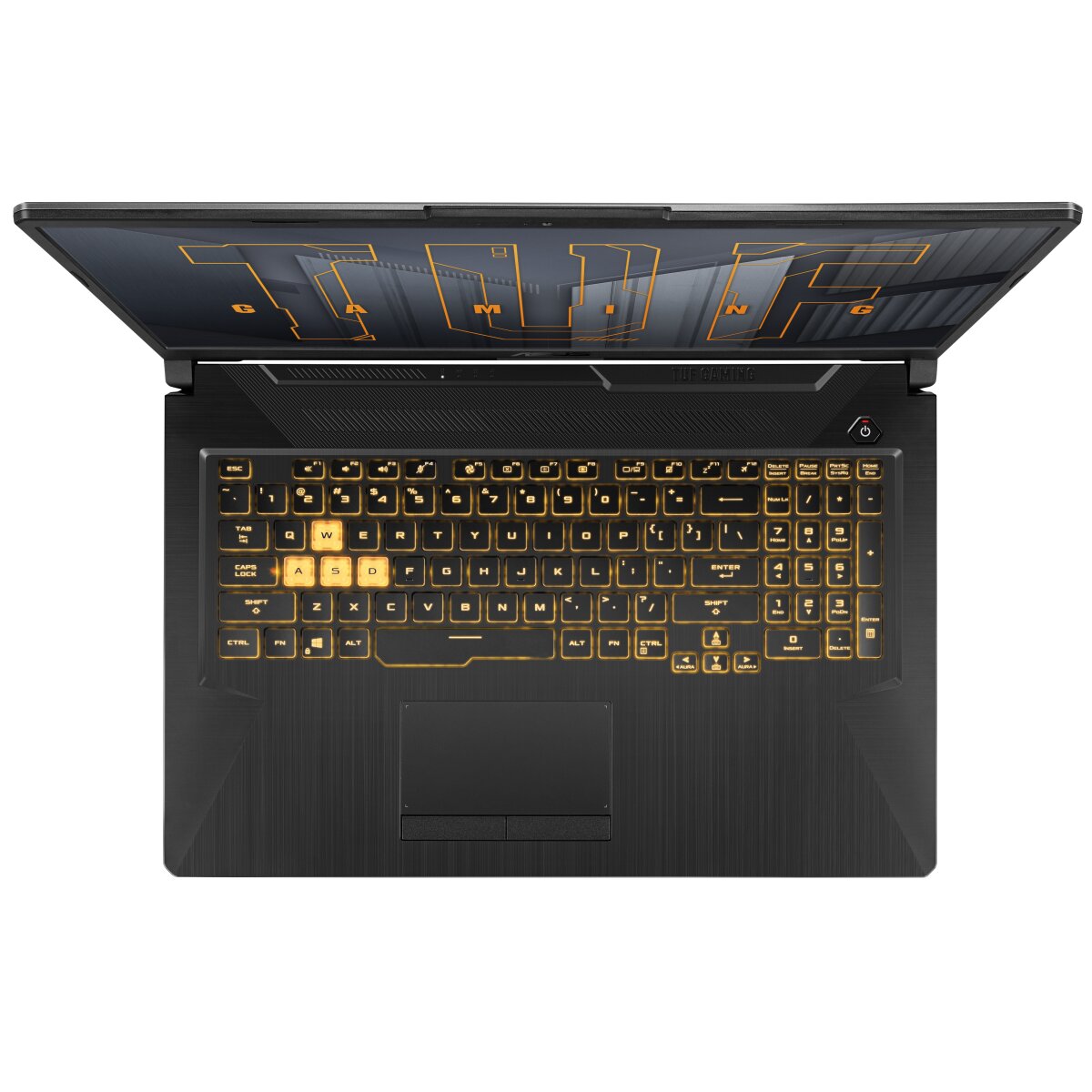

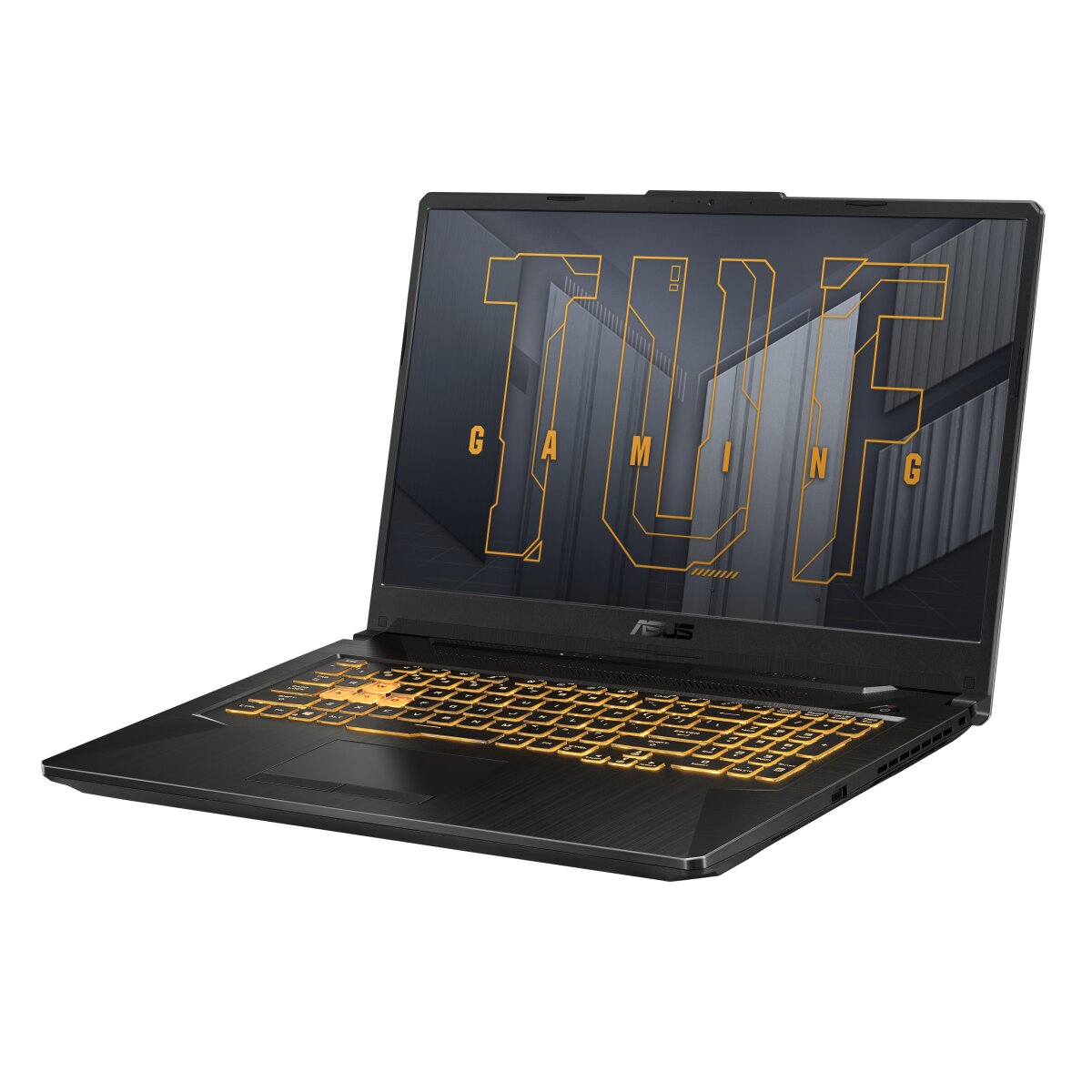
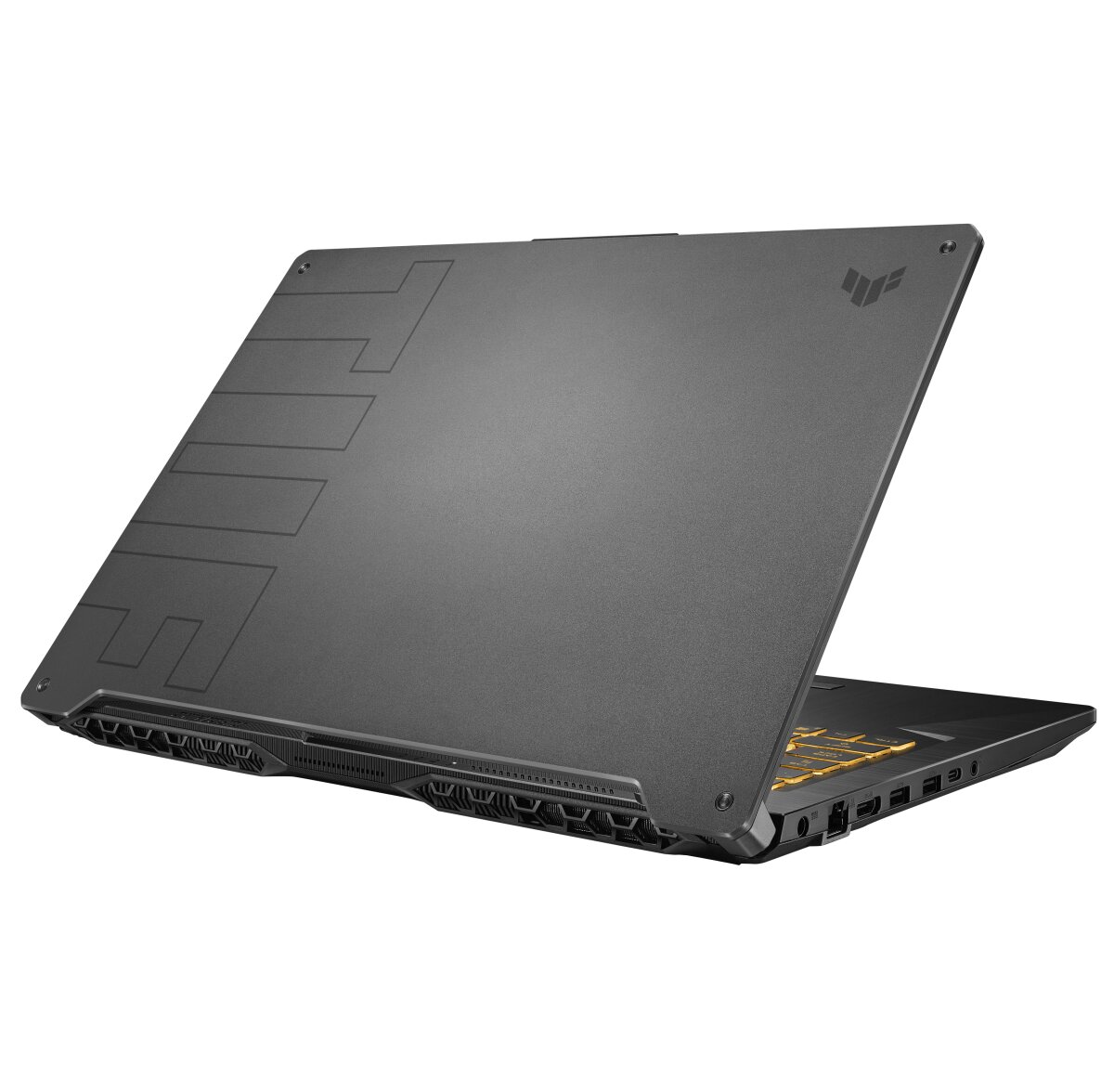
The ASUS TUF Gaming F17 FX706HM-ES74 laptop features two SO-DIMM memory slots supporting DDR4-SDRAM upgrades at 3200 MHz frequency. The upgrade specifications indicate maximum RAM capacity of 32 GB. Compatible memory modules utilize the SO-DIMM form factor, enabling users to expand the laptop's memory configuration beyond factory specifications. The DDR4 memory upgrade maintains compatibility with the FX706HM-ES74 architecture for enhanced multitasking performance.
Memory Upgrade Specifications
| Specification | Value |
|---|---|
| Memory slots | 2x SO-DIMM |
| Form factor | SO-DIMM |
| Memory type | DDR4-SDRAM |
| Frequency | 3200 MHz |
| Maximum RAM | 32 GB |
| Voltage | 1.2V |
| Number of pins | 260-pin |
| Interface | PC4 |
| PC Speed Rating | PC4-3200 (PC4-25600) |
| Bandwidth | 25.6 GB/s |
| Laptop Release date | 14 June 2022 |
Additional Notes
- The ASUS TUF Gaming FX706HM-ES74 contains 2 SO-DIMM slots operating as a dual-channel configuration, meaning memory upgrades must be installed in matched pairs to achieve advertised bandwidth performance; installing a single module will force single-channel operation and reduce effective memory throughput by approximately 50%.
- DDR4-3200 modules are widely available at competitive prices, but mixing different capacity modules (for example, 8 GB and 16 GB) within the 32 GB ceiling remains technically compatible despite asymmetric capacity distribution potentially triggering BIOS warnings on some systems.
- The 32 GB maximum capacity ceiling is determined by SO-DIMM physical constraints and BIOS limitations rather than the memory controller architecture, meaning future DDR4 modules of higher capacity will not be recognized if released, though 16 GB individual modules are sufficient to reach the practical limit.
- DDR4-3200 operates at JEDEC standard voltage (1.2V), so any DDR4-3200 SO-DIMM from reputable manufacturers will function without requiring manual voltage adjustments or BIOS overclocking, reducing configuration risk during installation.
- Accessing the SO-DIMM slots typically requires removing the bottom panel or keyboard assembly on this chassis design; warranty coverage remains valid when following manufacturer-documented upgrade procedures, though improper disassembly may void hardware protection on components unrelated to memory.
- The dual-slot architecture prevents future expansion beyond 32 GB; migration to a system with 4 slots would render existing DDR4 modules reusable, but existing hardware offers no pathway to exceed this ceiling through component changes.