ASUS TUF Gaming FX706HF-RS51 RAM upgrade specifications
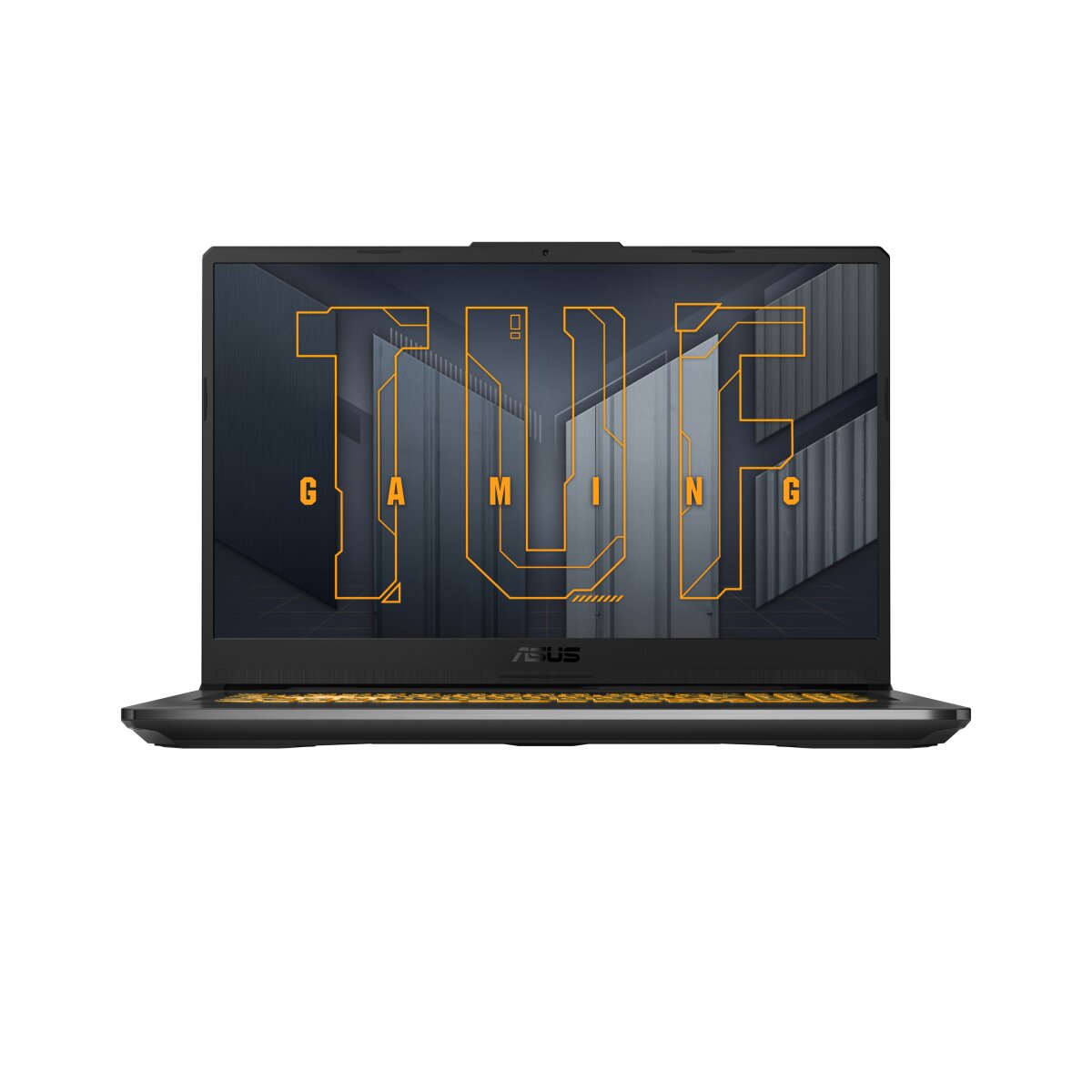
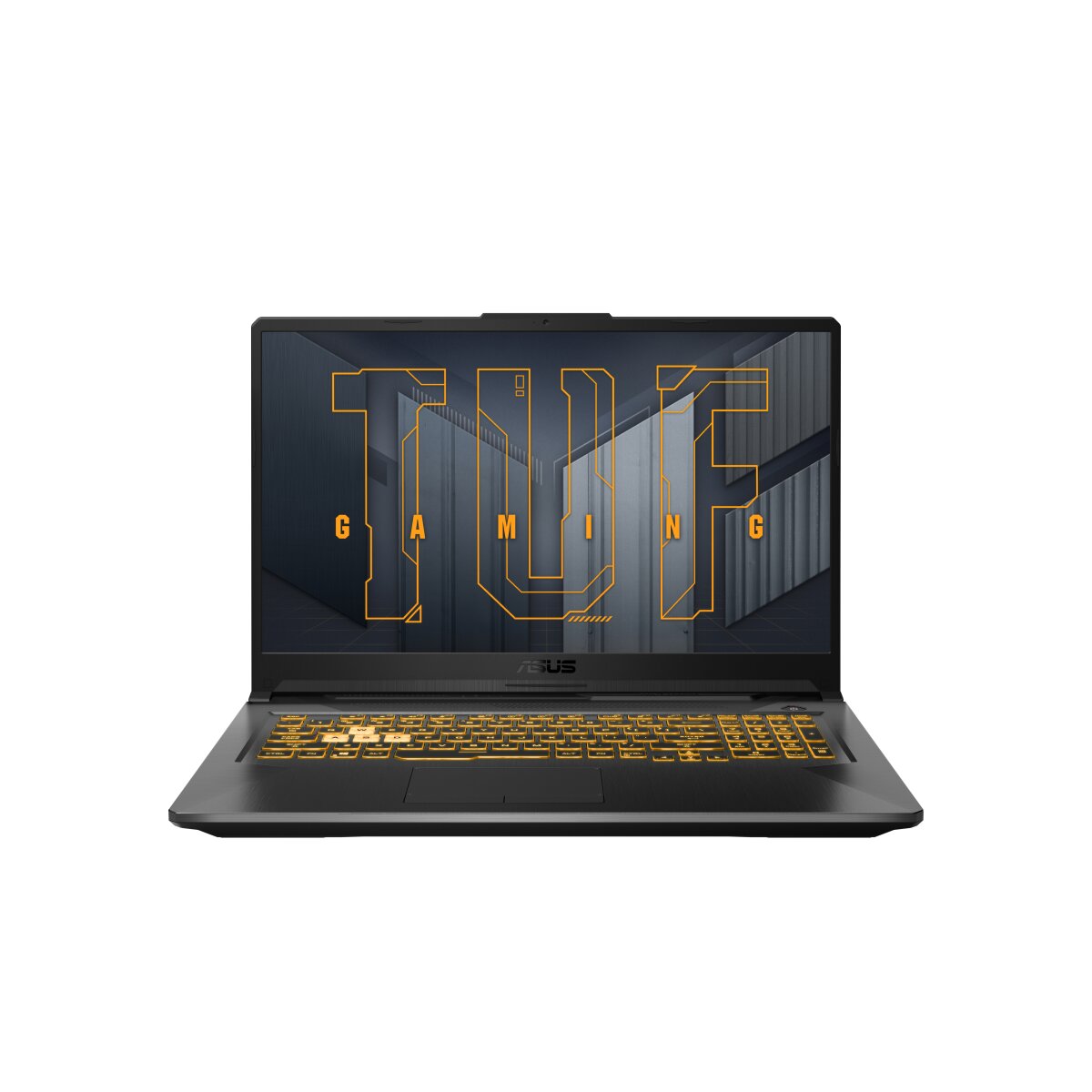
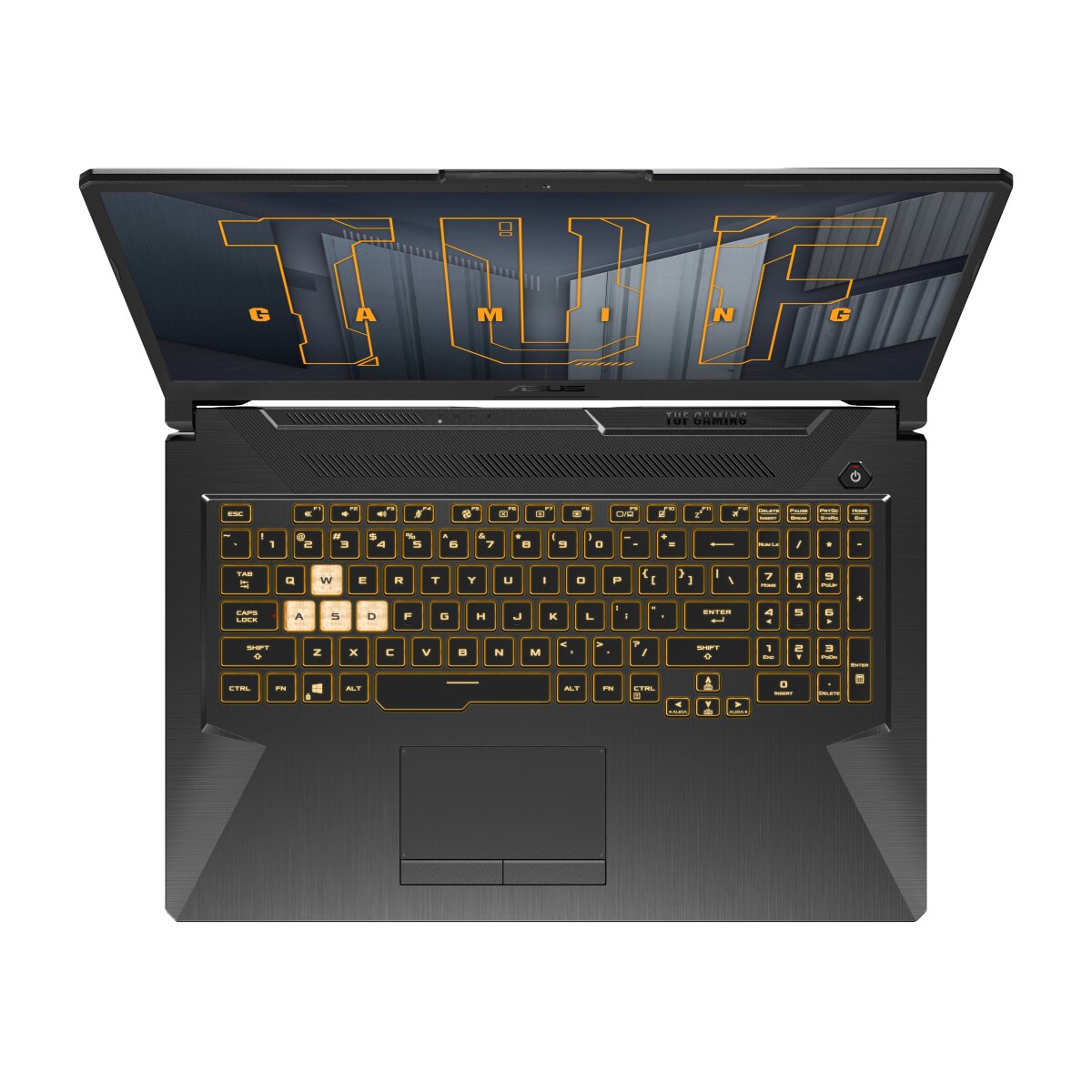
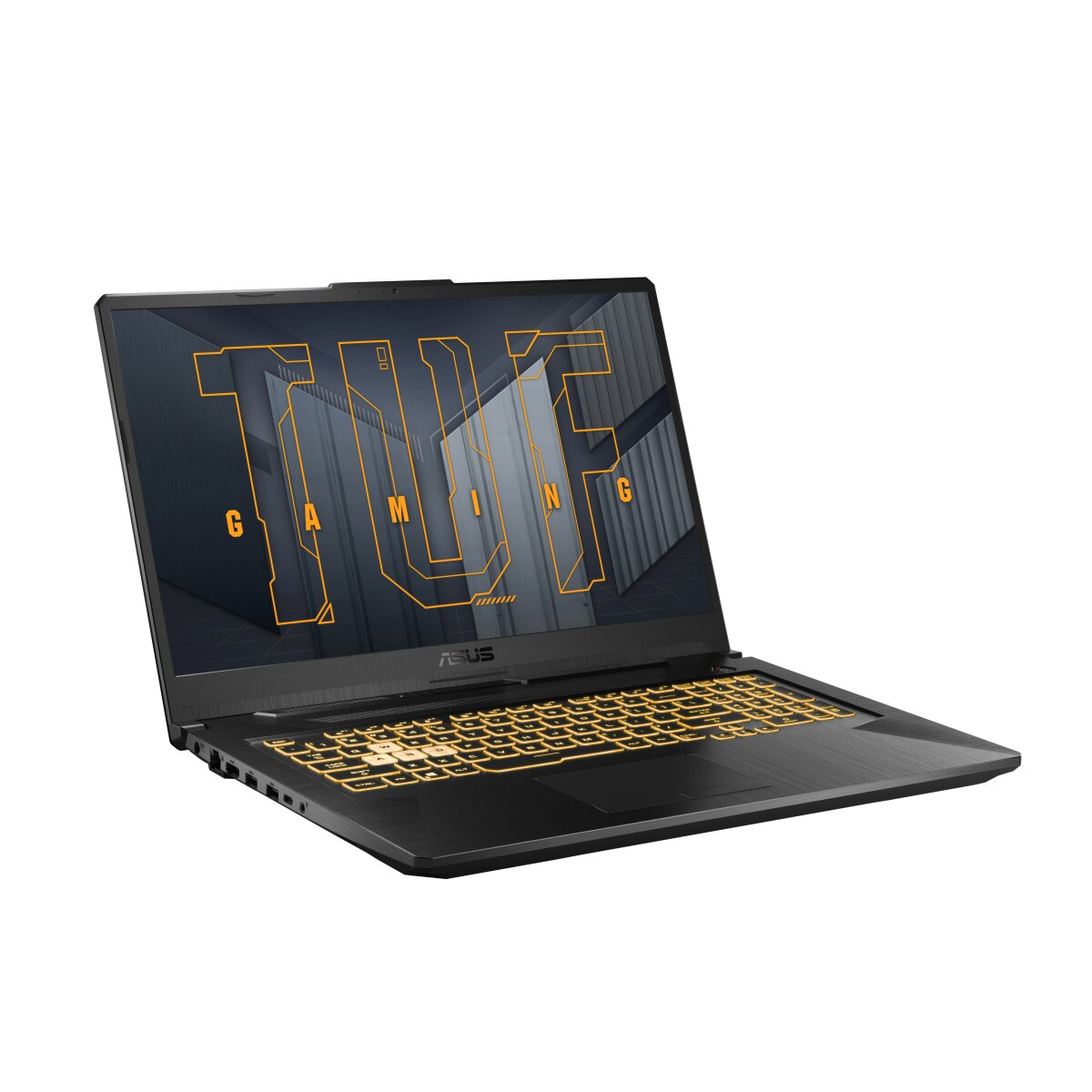
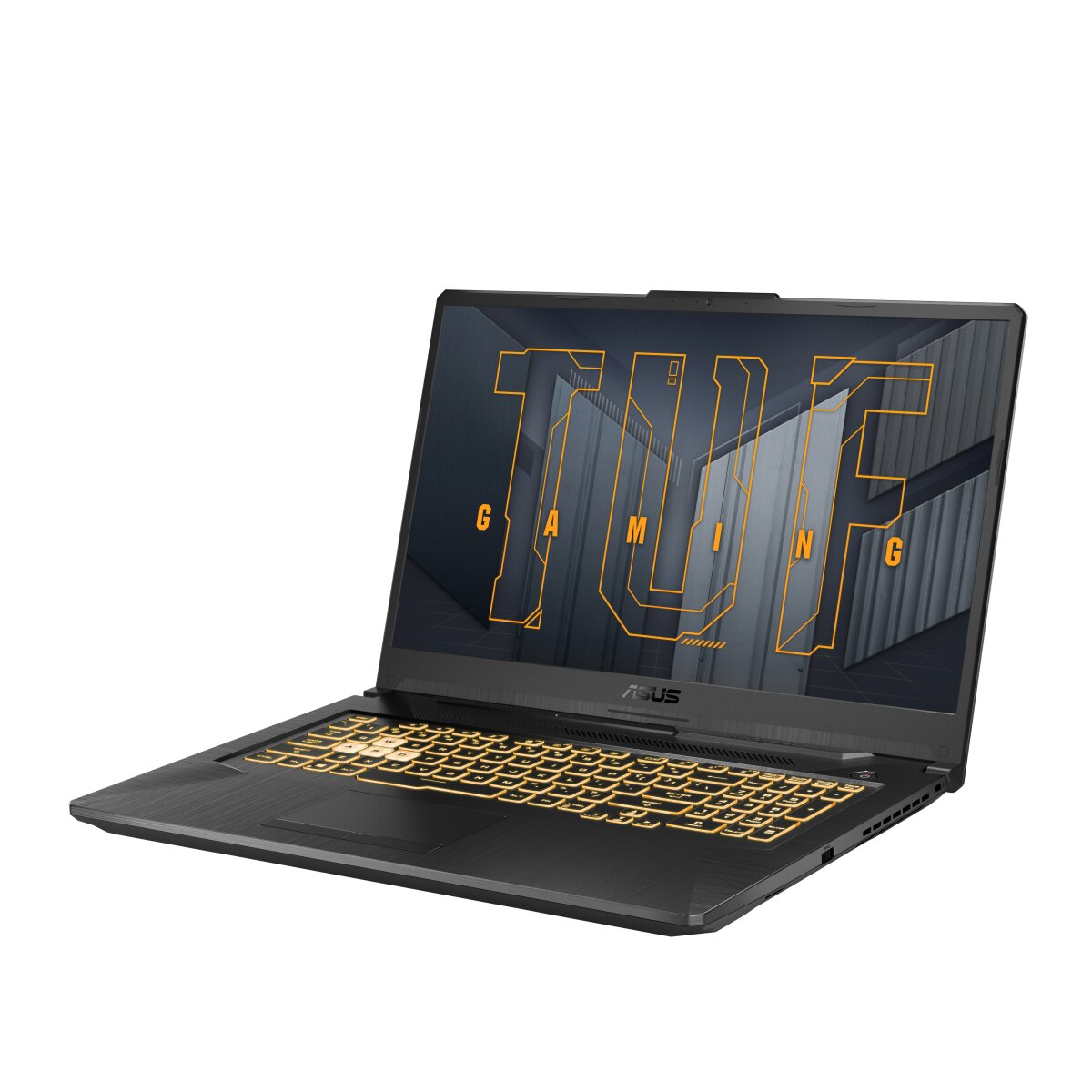
ASUS TUF Gaming FX706HF-RS51 RAM upgrade specifications include two SO-DIMM slots compatible with DDR4-SDRAM memory operating at 3200 MHz frequency. Maximum RAM capacity for this laptop model reaches 32 GB total memory. The FX706HF-RS51 supports SO-DIMM form factor upgrades, enabling users to expand system memory from original configuration up to the maximum supported specifications for enhanced multitasking and gaming performance capabilities.
Memory Upgrade Specifications
| Specification | Value |
|---|---|
| Memory slots | 2x SO-DIMM |
| Form factor | SO-DIMM |
| Memory type | DDR4-SDRAM |
| Frequency | 3200 MHz |
| Maximum RAM | 32 GB |
| Voltage | 1.2V |
| Number of pins | 260-pin |
| Interface | PC4 |
| PC Speed Rating | PC4-3200 (PC4-25600) |
| Bandwidth | 25.6 GB/s |
Additional Notes
- The ASUS TUF Gaming FX706HF-RS51 accepts only SO-DIMM modules, excluding standard DIMM modules used in desktop systems regardless of specification matching.
- Both memory slots must be populated with identical capacity modules to enable dual-channel operation, which doubles effective memory bandwidth from the memory controller.
- Installing a single module or mismatched capacities forces single-channel mode, reducing memory bandwidth by approximately 50 percent during sustained workloads.
- The 32 GB ceiling requires two 16 GB modules, as installing higher-density modules will either fail POST or downclock to system-supported limits.
- Modules rated above 3200 MHz will downclock to this frequency ceiling, as the memory controller enforces this maximum regardless of XMP profile specifications.
- DDR4 voltage must remain at standard 1.2V, as gaming laptops typically lock voltage controls to prevent thermal envelope violations and maintain chassis integrity.
- CAS latency variations between CL16, CL18, and CL22 at 3200 MHz produce measurable differences in frame time consistency during CPU-bound gaming scenarios.
- Non-ECC unbuffered modules are required, as registered or ECC memory types will cause initialization failures during system startup.
- Access to memory slots typically requires bottom panel removal, potentially voiding warranty seals depending on regional service policies and warranty registration status.
- Mixing manufacturers between slots remains functional but introduces potential stability risks during extended memory stress operations or overclocked CPU states.
- The SO-DIMM form factor operates at lower voltages than older DDR3L specifications, preventing backward compatibility with previous-generation modules.
- Installing modules while residual charge remains in the system can corrupt SPD data on the module, requiring complete power discharge before installation.