ASUS TUF Gaming FX707ZE-HX063W RAM upgrade specifications



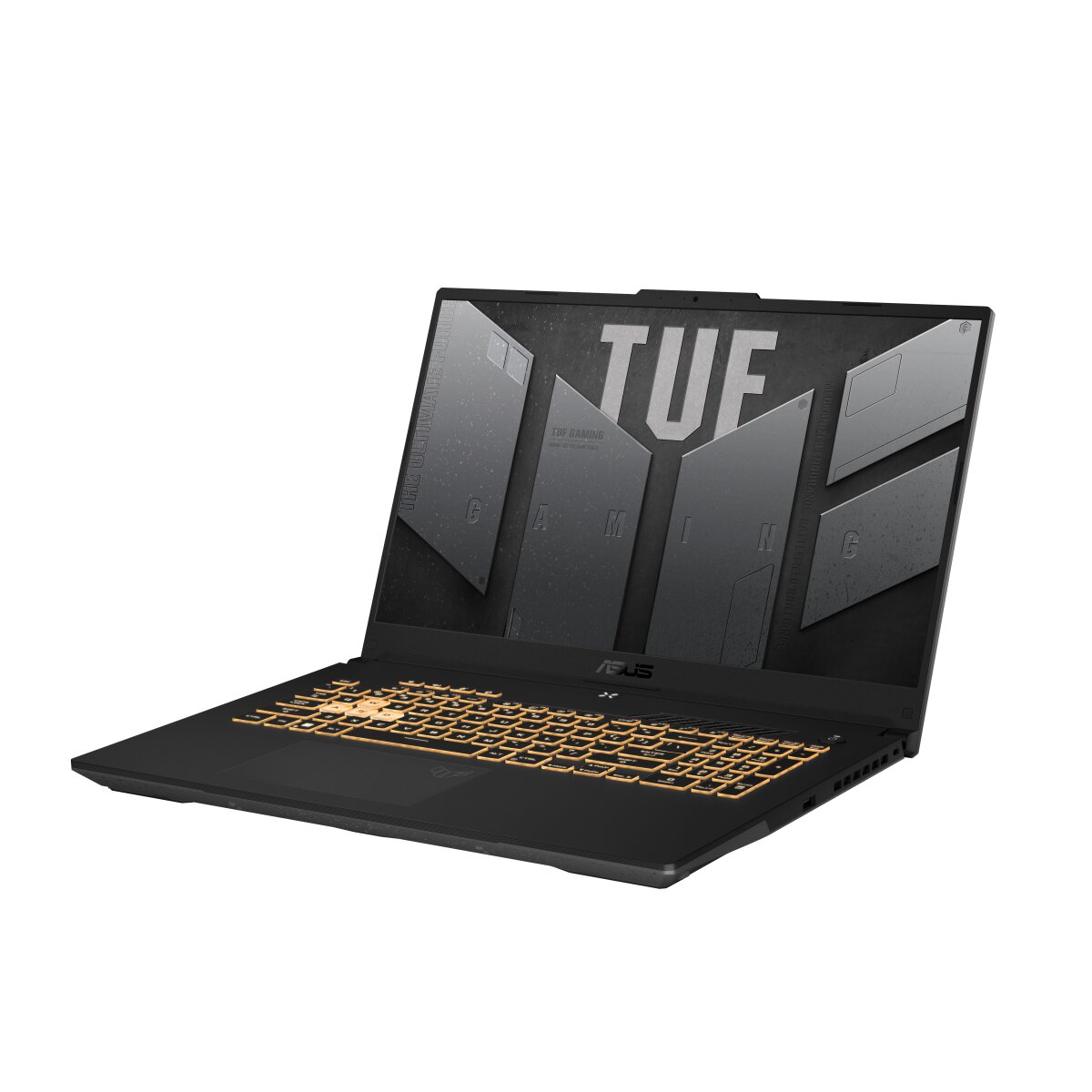
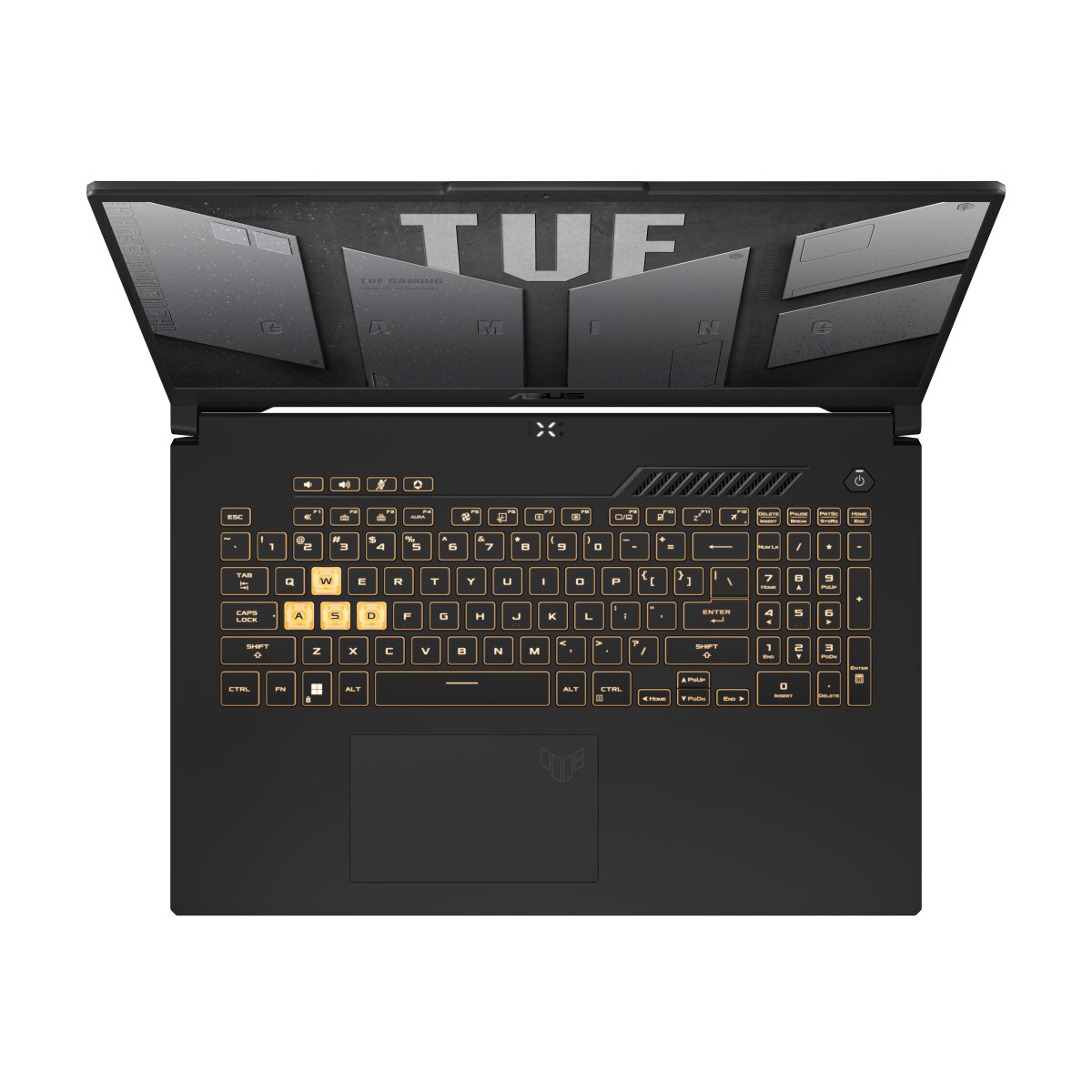
The ASUS TUF Gaming F17 FX707ZE-HX063W features two SO-DIMM memory slots supporting DDR4-SDRAM upgrades. Maximum RAM capacity reaches 32 GB total, with compatible modules operating at 3200 MHz frequency. Memory upgrade specifications indicate SO-DIMM form factor modules are required for this laptop model. The FX707ZE-HX063W supports DDR4 memory technology with dual upgrade slots enabling increased system RAM capacity for enhanced performance.
Memory Upgrade Specifications
| Specification | Value |
|---|---|
| Memory slots | 2x SO-DIMM |
| Form factor | SO-DIMM |
| Memory type | DDR4-SDRAM |
| Frequency | 3200 MHz |
| Maximum RAM | 32 GB |
| Voltage | 1.2V |
| Number of pins | 260-pin |
| Interface | PC4 |
| PC Speed Rating | PC4-3200 (PC4-25600) |
| Bandwidth | 25.6 GB/s |
| Laptop Release date | 22 October 2021 |
Additional Notes
- The ASUS TUF Gaming FX707ZE-HX063W relies on DDR4 technology, preventing any future migration to DDR5 modules regardless of performance needs or market availability.
- The 32 GB ceiling stems from chipset or BIOS limitations rather than physical slot count, meaning each slot accepts a maximum 16 GB module even if higher-density modules exist.
- Dual-channel architecture requires matched pairs for optimal bandwidth, with asymmetric configurations forcing the memory controller into single-channel mode and halving theoretical throughput to 25.6 GB/s.
- SO-DIMM form factor compliance eliminates compatibility with standard desktop DIMM modules, which differ in pin count and physical length despite sharing voltage and frequency specifications.
- Operating at 3200 MHz (PC4-25600) establishes the baseline for module selection, as slower modules will underclock the system while faster modules will downclock to match the supported speed without performance gain.
- Both memory slots occupy user-accessible compartments in gaming laptops of this generation, though access typically requires complete bottom panel removal rather than dedicated upgrade hatches.
- JEDEC-standard DDR4-3200 modules run at 1.2 volts, while XMP-profiled enthusiast modules may default to 1.35 volts and require BIOS intervention to prevent stability issues or outright boot failure.
- Mixed-capacity configurations (such as 8 GB plus 16 GB) will function but limit dual-channel operation to the capacity of the smaller module, with excess memory in the larger module reverting to slower single-channel mode.
- The memory controller integrated into 12th-generation Intel mobile processors supports DDR4-3200 natively, meaning advertised speeds will work without overclocking or manual timing adjustments.
- Warranty preservation depends on regional regulations, as some markets protect user-performed memory upgrades under right-to-repair frameworks while others may void coverage upon unauthorized disassembly.