ASUS TUF Gaming TUF706HM-ES76 RAM upgrade specifications
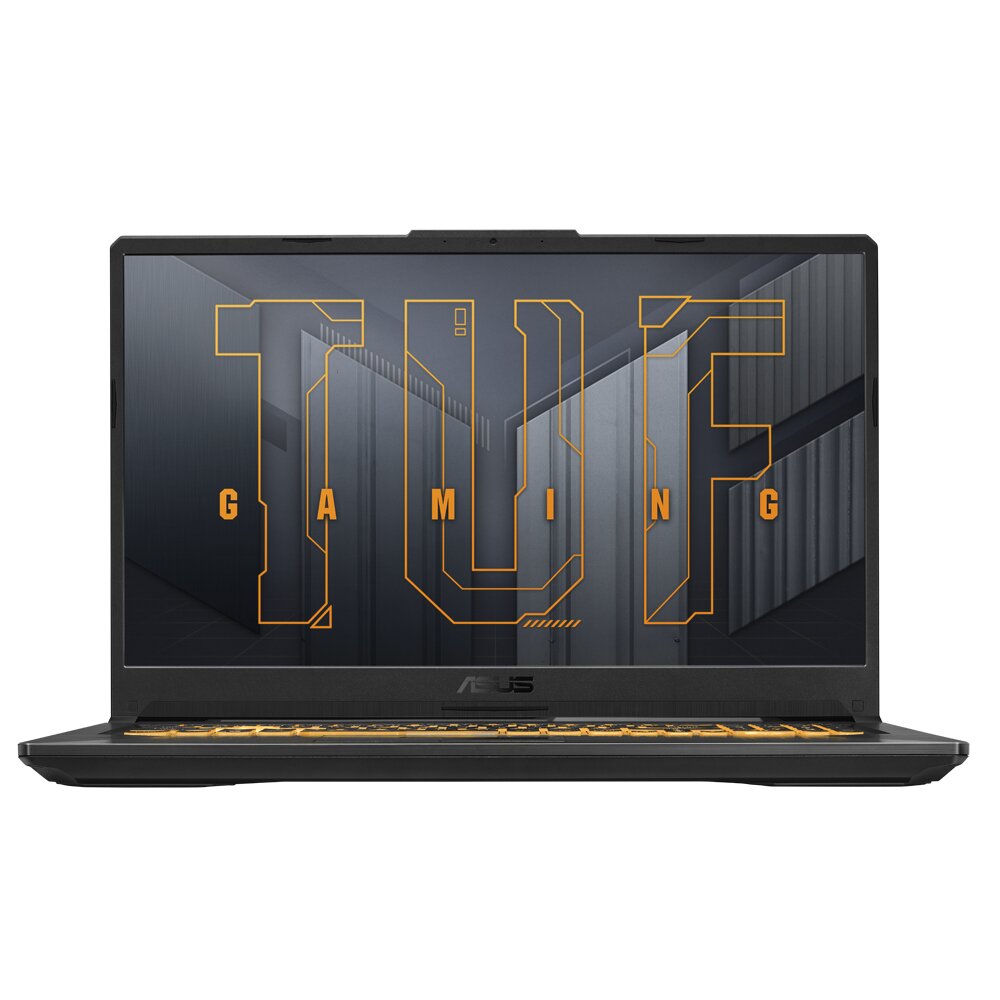
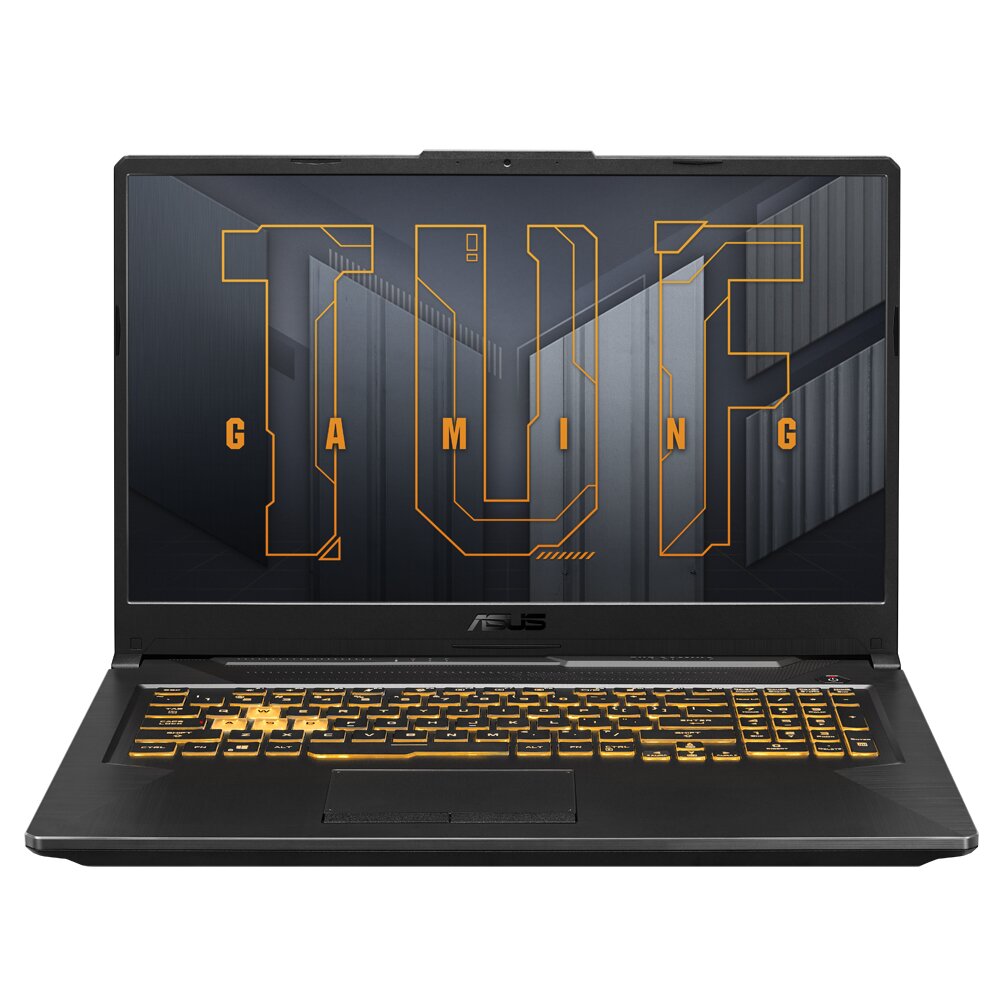
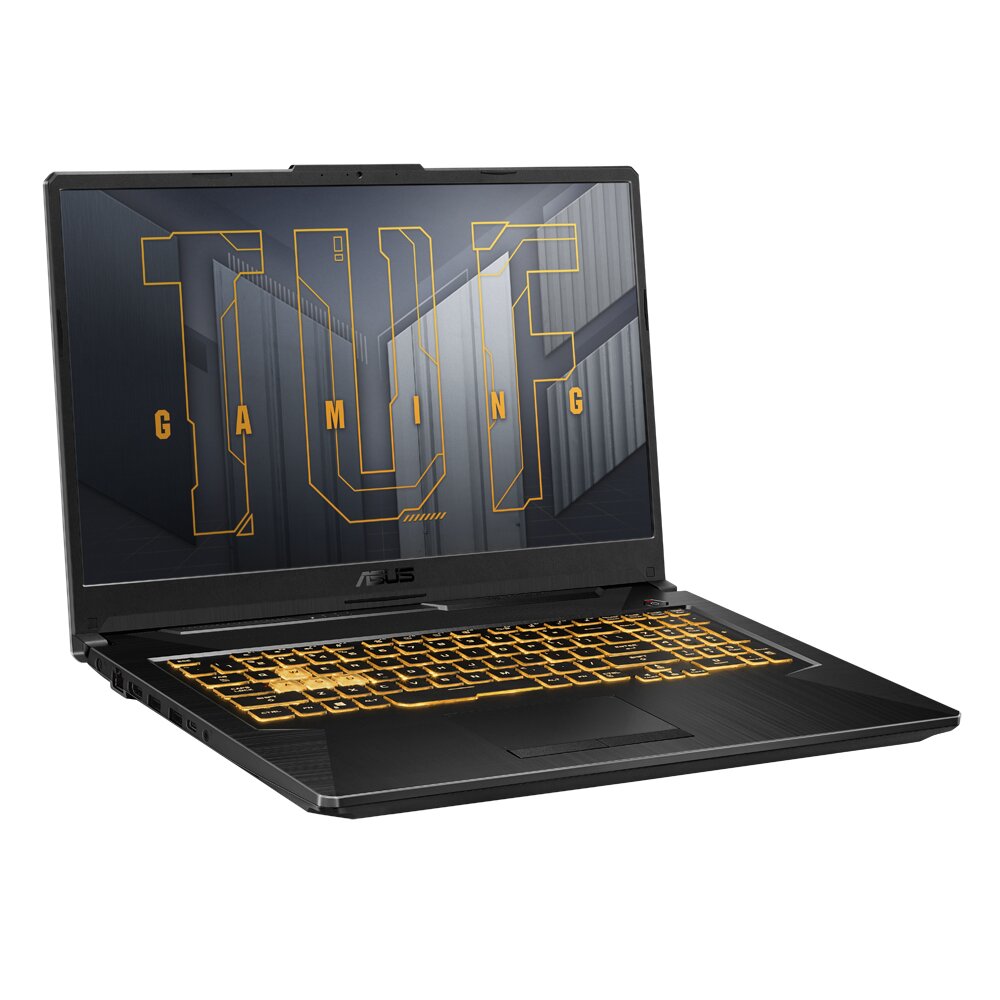
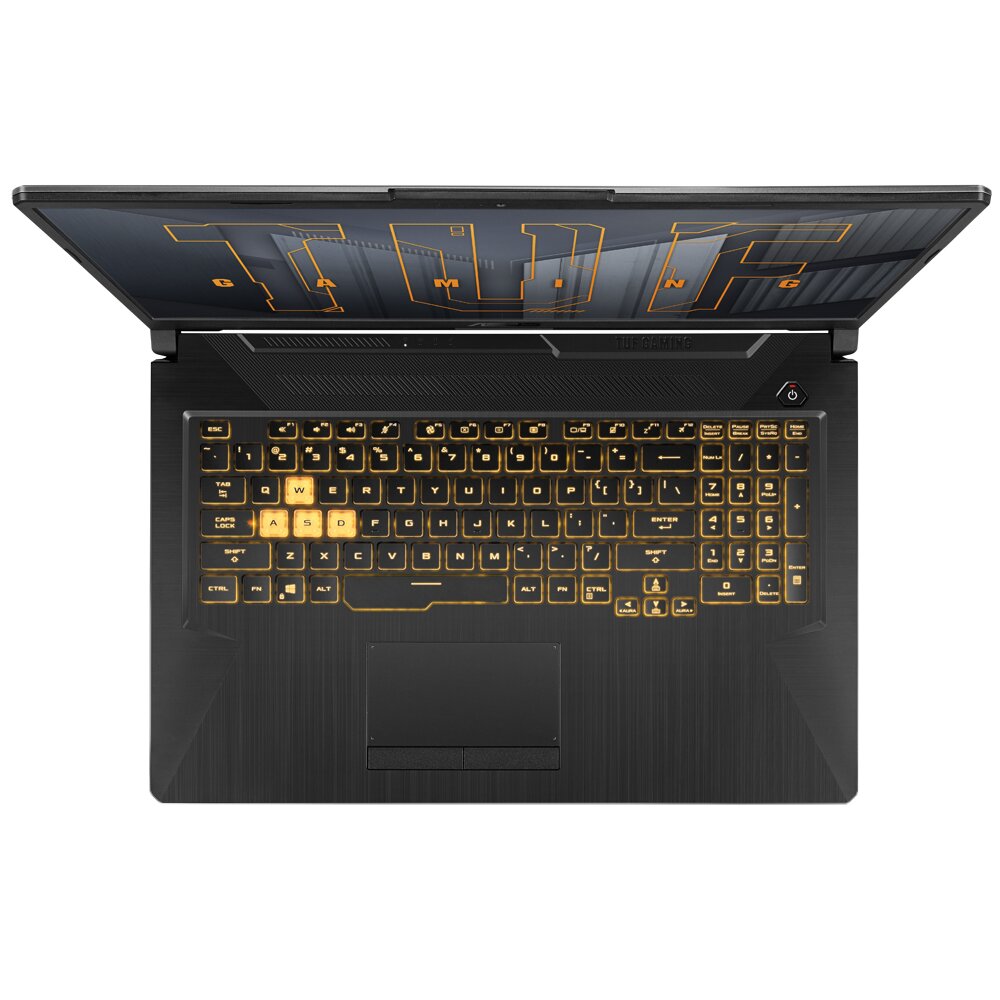
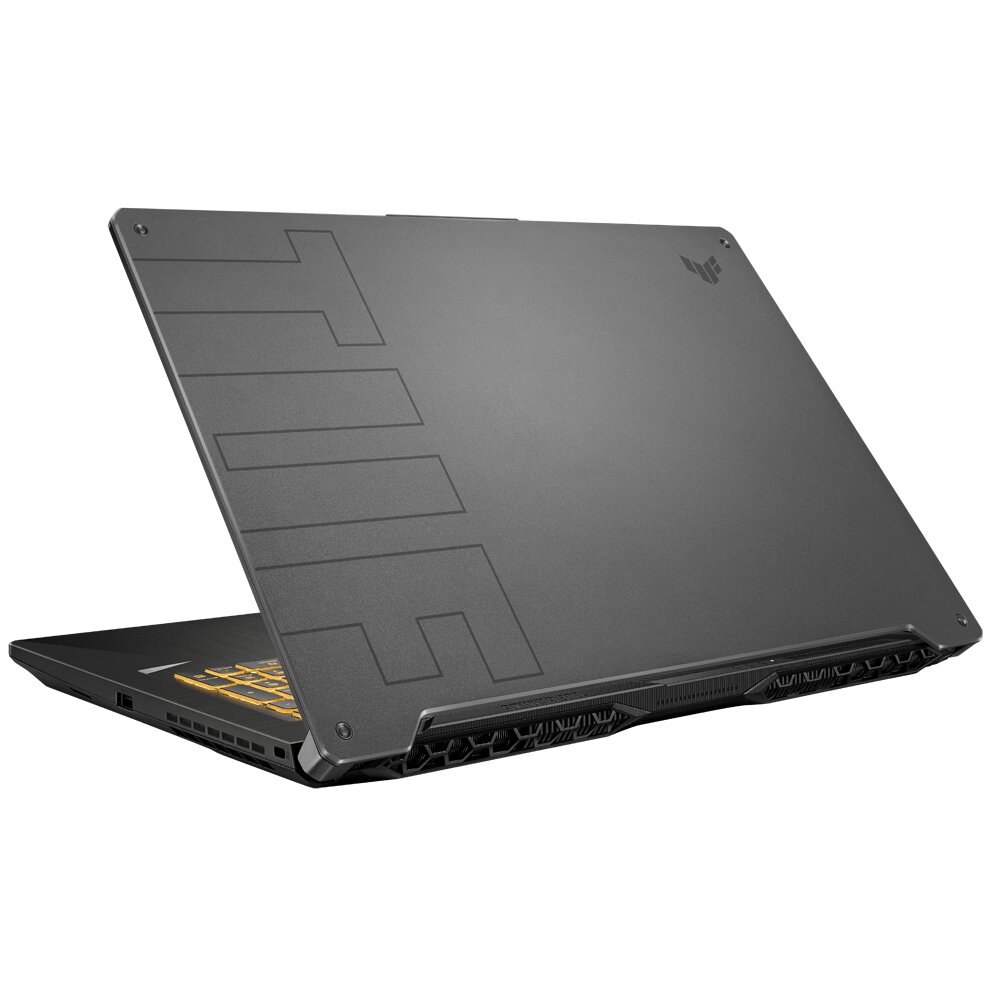
The ASUS TUF Gaming F17 series model TUF706HM-ES76 features DDR4-SDRAM memory architecture with upgrade capacity to 32 GB maximum. The laptop contains 2x SO-DIMM slots for memory expansion, supporting DDR4 modules operating at 3200 MHz frequency. Specifications enable compatible RAM upgrades to achieve full capacity through standard SO-DIMM form factor components. The TUF706HM-ES76 memory upgrade supports dual-slot configuration for enhanced system performance.
Memory Upgrade Specifications
| Specification | Value |
|---|---|
| Memory slots | 2x SO-DIMM |
| Form factor | SO-DIMM |
| Memory type | DDR4-SDRAM |
| Frequency | 3200 MHz |
| Maximum RAM | 32 GB |
| Voltage | 1.2V |
| Number of pins | 260-pin |
| Interface | PC4 |
| PC Speed Rating | PC4-3200 (PC4-25600) |
| Bandwidth | 25.6 GB/s |
| Laptop Release date | 16 June 2021 |
Additional Notes
- The dual channel architecture requires matching pairs of modules to maximize the memory controller throughput and prevent frame rate stuttering in gaming workloads.
- Upgrading the ASUS TUF706HM-ES76 requires the removal of the entire base panel which involves navigating plastic clips and internal ribbon cables that increase the risk of physical damage if handled without anti-static protection.
- Installation of high performance modules with aggressive XMP profiles will likely result in a fallback to standard JEDEC timings as typical mobile BIOS environments do not support manual voltage or latency adjustments.
- The 32 GB capacity ceiling restricts the device from heavy workstation tasks such as 4K video editing or running multiple virtualization environments that exceed the hardware addressing limits.
- Populating both slots allows the system to utilize 128 bit bus widths instead of the 64 bit width found in single channel configurations significantly improving integrated graphics performance and CPU processing efficiency.
- Physical height constraints within the 2 SO-DIMM slots preclude the use of oversized heat spreaders on aftermarket memory sticks.
- Operating at the 3200 MHz frequency provides the necessary bandwidth to prevent the Tiger Lake architecture from encountering data starvation during high refresh rate rendering.