ASUS TUF Gaming TUF707VJB-ISCHX087 RAM upgrade specifications


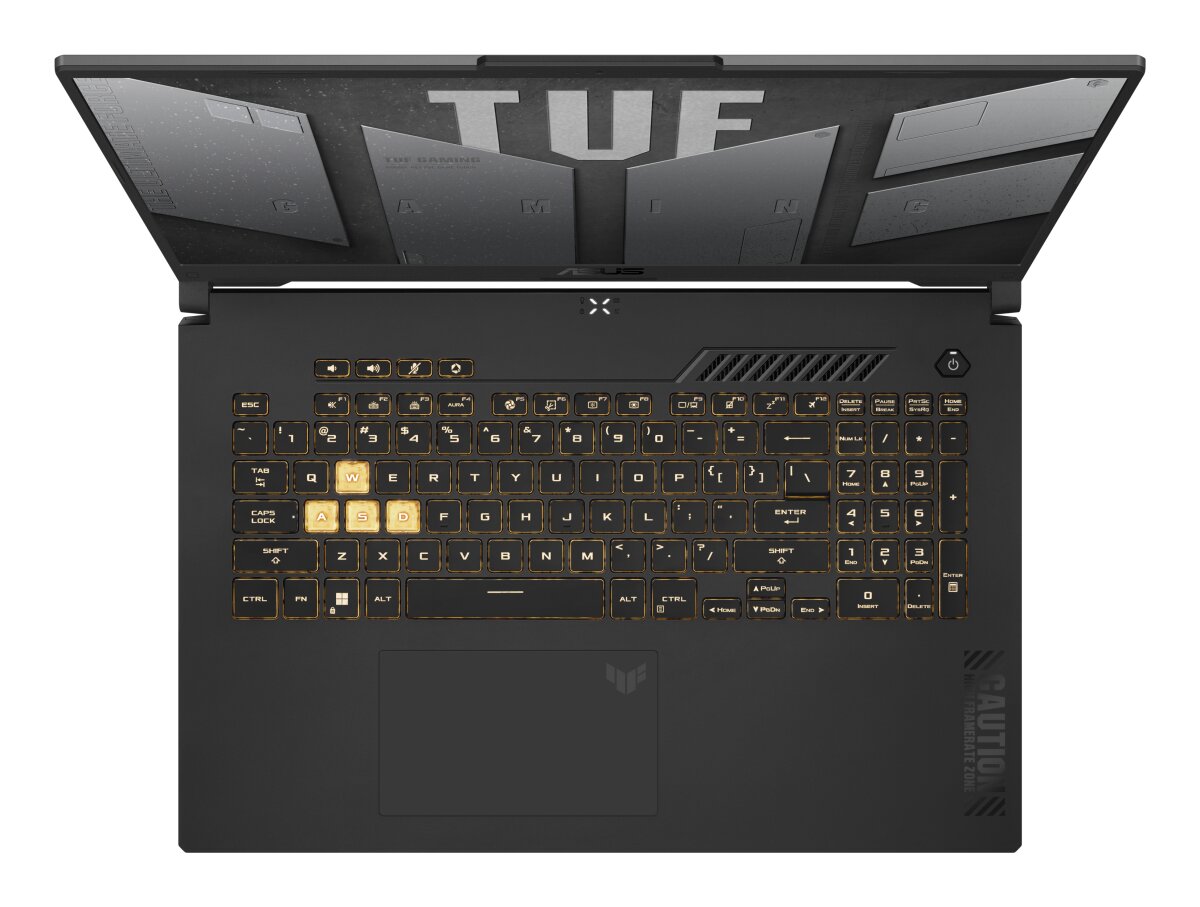


The ASUS TUF Gaming F17 series model TUF707VJB-ISCHX087 features DDR5-SDRAM memory specifications for upgrade compatibility. The laptop contains 2x SO-DIMM slots supporting SO-DIMM form factor modules. Maximum RAM capacity reaches 64 GB total memory expansion. Compatible DDR5-SDRAM modules operate at 5600 MHz frequency. Specifications enable system memory upgrades through dual SO-DIMM slot configuration, accommodating high-capacity DDR5 memory modules for enhanced performance.
Memory Upgrade Specifications
| Specification | Value |
|---|---|
| Memory slots | 2x SO-DIMM |
| Form factor | SO-DIMM |
| Memory type | DDR5-SDRAM |
| Frequency | 5600 MHz |
| Maximum RAM | 64 GB |
| Voltage | 1.1V |
| Number of pins | 262-pin |
| Interface | PC5 |
| PC Speed Rating | PC5-5600 (PC5-44800) |
| Bandwidth | 44.8 GB/s |
Additional Notes
- The ASUS TUF Gaming TUF707VJB-ISCHX087 supports DDR5 memory at 5600 MHz, which requires a processor with integrated DDR5 controller. Mixing older DDR4 modules will result in system failure to post; backward compatibility does not exist at the memory standard level.
- Installation capacity maxes at 64 GB across 2 SO-DIMM slots, meaning each slot accepts 32 GB modules maximum. Asymmetrical configurations (one 32 GB and one 16 GB module) function but operate both channels at the speed of the slower module.
- SO-DIMM form factor constrains physical space; standard desktop DIMM modules cannot mechanically fit the slot, and replacement requires full module extraction rather than in-place upgrades.
- DDR5-5600 specification indicates a single-channel bandwidth ceiling of approximately 44.8 GB/s per channel. Dual-channel operation theoretical maximum reaches 89.6 GB/s, but achieves this bandwidth only when both slots contain compatible modules of identical capacity and speed ratings.
- Factory warranty typically permits memory upgrades without voiding coverage when using manufacturer-approved modules. Third-party DDR5-5600 SO-DIMMs from reputable vendors operate within specification but may fall outside official support matrices.
- Latency timing at DDR5-5600 typically ranges between CAS 28-36 cycles, depending on module binning. Higher latency modules (CAS 36) exhibit measurable performance regression in latency-sensitive workloads compared to CAS 28 variants, despite identical frequency.