ASUS TUF Gaming TUF707VI-LL068W RAM upgrade specifications
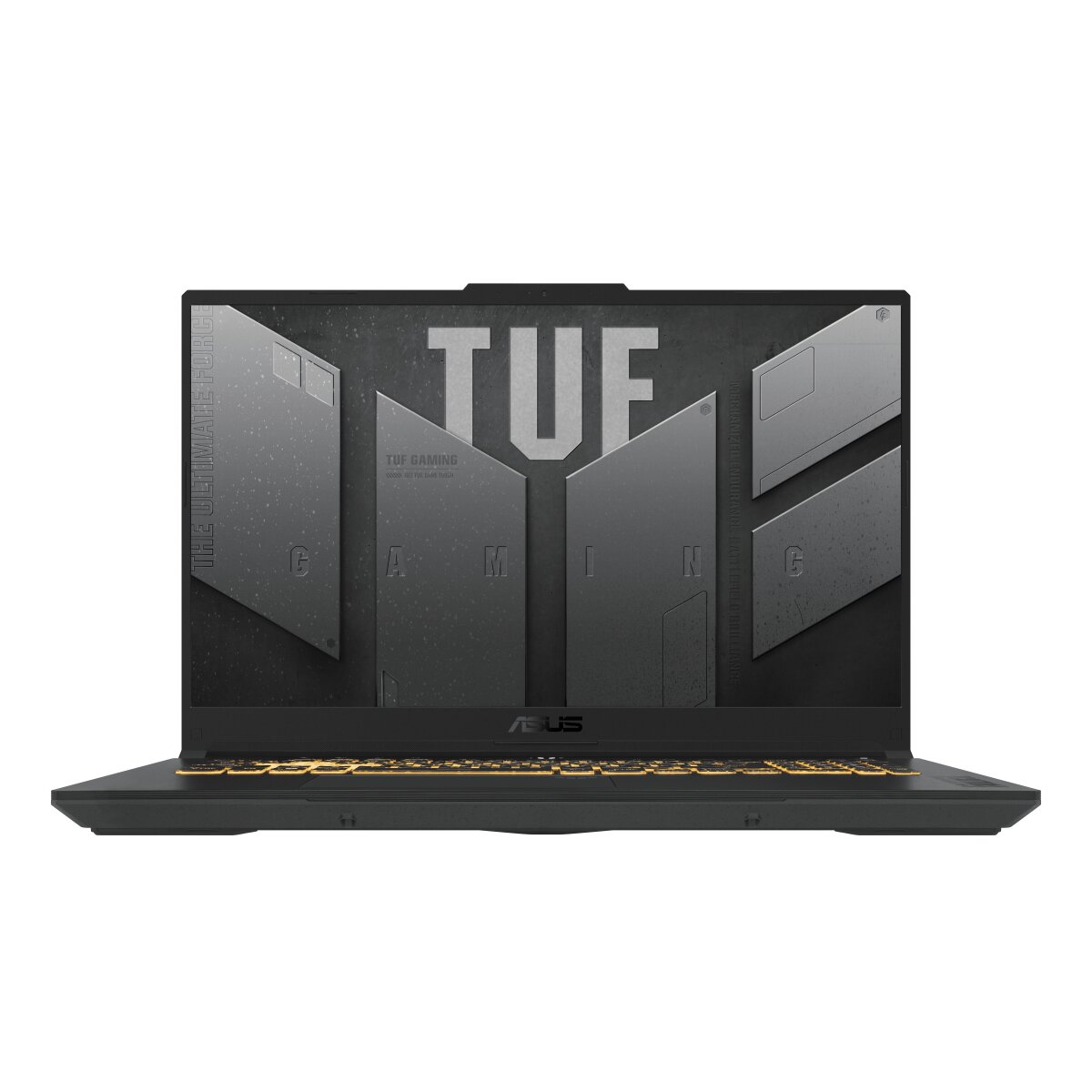




The ASUS TUF Gaming F17 model TUF707VI-LL068W supports DDR5-SDRAM memory upgrades. The laptop features 2x SO-DIMM slots for RAM expansion. Maximum supported memory capacity reaches 32 GB total. Compatible memory operates at 4800 MHz frequency. The SO-DIMM form factor specifications define the physical dimensions required for compatible RAM modules. Memory upgrade specifications allow users to expand the laptop's RAM capacity within the stated maximum limitations.
Memory Upgrade Specifications
| Specification | Value |
|---|---|
| Memory slots | 2x SO-DIMM |
| Form factor | SO-DIMM |
| Memory type | DDR5-SDRAM |
| Frequency | 4800 MHz |
| Maximum RAM | 32 GB |
| Voltage | 1.1V |
| Number of pins | 262-pin |
| Interface | PC5 |
| PC Speed Rating | PC5-4800 (PC5-38400) |
| Bandwidth | 38.4 GB/s |
Additional Notes
- The ASUS TUF Gaming TUF707VI-LL068W implements DDR5 technology, which operates at higher minimum voltages than DDR4 and requires motherboard compatibility verification before any module replacement.
- The 32 GB ceiling reflects chipset or BIOS limitations rather than theoretical DDR5 capacity, preventing installation of higher-density modules even if physically compatible.
- SO-DIMM slots restrict upgrade options to laptop-specific modules, which typically cost more per gigabyte than desktop equivalents and offer narrower availability across speed grades.
- The 4800 MHz specification represents JEDEC standard speed for DDR5, meaning faster modules will downclock automatically to this frequency regardless of their rated specifications.
- Two-slot configuration forces a choice between dual-channel 16 GB kits and single 32 GB capacity, as mixing module capacities can disable dual-channel mode or cause boot failures.
- DDR5's on-die ECC operates independently of system support, but does not replace registered ECC functionality, limiting error correction to internal module operations only.
- Installing non-approved modules may void manufacturer warranty coverage specifically for memory-related failures, while leaving other components protected under original terms.
- The platform's memory controller determines actual supported speeds, which may differ from the 4800 MHz specification if thermal conditions or power delivery constraints trigger automatic frequency reduction.
- SO-DIMM retention clips require specific angular insertion technique, and improper seating can cause intermittent recognition or prevent POST completion entirely.
- Upgrading from single-channel to dual-channel configuration doubles theoretical bandwidth but delivers measurably lower performance gains in applications not optimized for parallel memory access.