ASUS TUF Gaming TUF707VI-LL067W RAM upgrade specifications




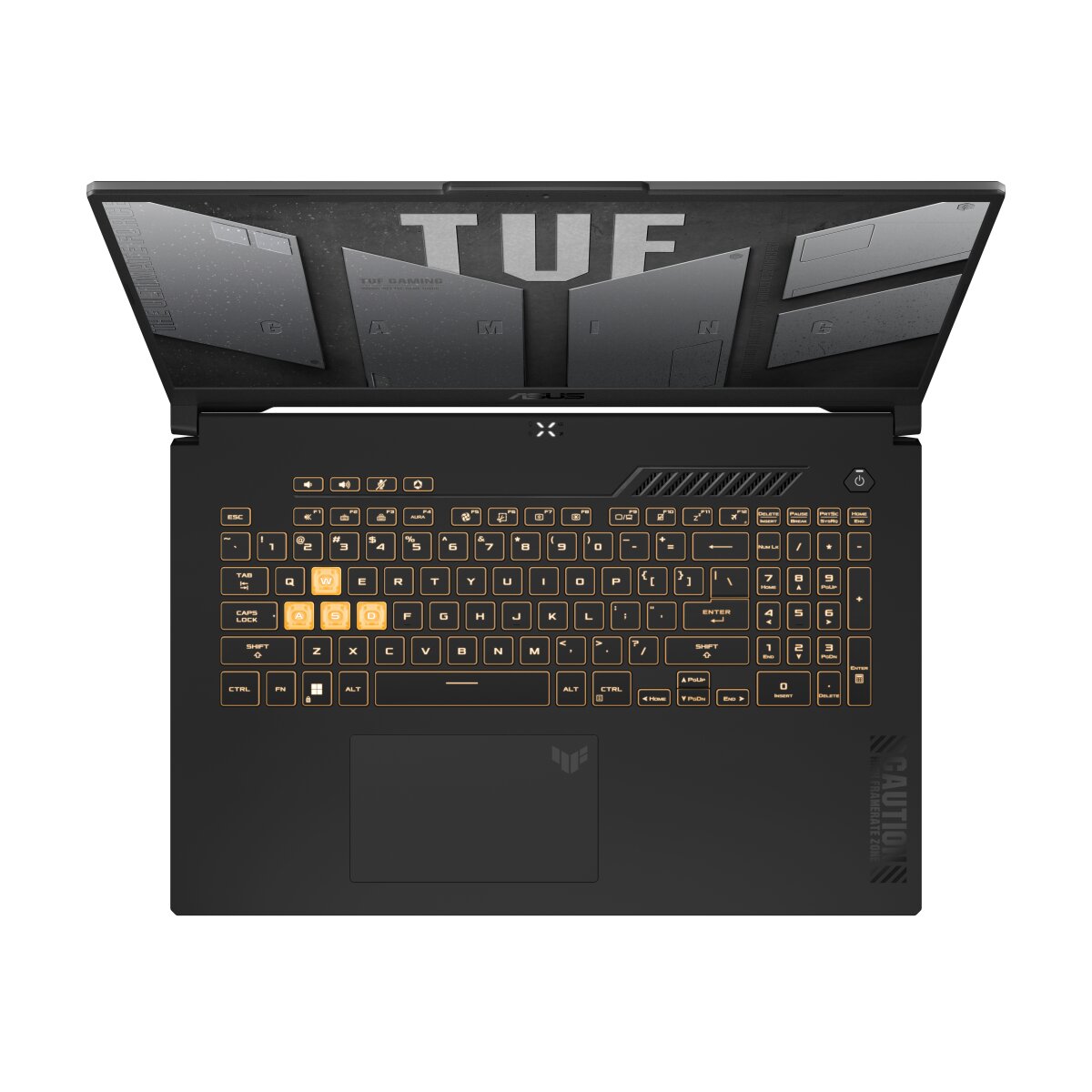
ASUS TUF Gaming F17 series model TUF707VI-LL067W supports DDR5-SDRAM memory upgrades via 2x SO-DIMM slots. Maximum RAM capacity reaches 32 GB total. Compatible memory operates at 4800 MHz frequency. SO-DIMM form factor specifications define the physical and electrical requirements for RAM upgrades on this laptop model. Memory upgrade specifications are compatible with standard DDR5 modules meeting SO-DIMM standards and frequency specifications outlined for this TUF707VI-LL067W configuration.
Memory Upgrade Specifications
| Specification | Value |
|---|---|
| Memory slots | 2x SO-DIMM |
| Form factor | SO-DIMM |
| Memory type | DDR5-SDRAM |
| Frequency | 4800 MHz |
| Maximum RAM | 32 GB |
| Voltage | 1.1V |
| Number of pins | 262-pin |
| Interface | PC5 |
| PC Speed Rating | PC5-4800 (PC5-38400) |
| Bandwidth | 38.4 GB/s |
Additional Notes
- The ASUS TUF Gaming TUF707VI-LL067W memory controller enforces a 32 GB ceiling, preventing recognition of higher-capacity modules even when physically compatible SO-DIMM slots remain available.
- DDR5-SDRAM operates exclusively at 1.1V, making DDR4 modules physically incompatible due to notch repositioning and voltage requirements that prevent insertion into these SO-DIMM slots.
- The 4800 MHz specification represents JEDEC baseline speeds, indicating potential compatibility with faster modules rated at 5200 MHz or 5600 MHz that will downclock to 4800 MHz through automatic frequency scaling.
- Dual-channel architecture requires matched module pairs to achieve full bandwidth, with asymmetric configurations forcing single-channel operation and reducing memory throughput by approximately 50 percent.
- SO-DIMM form factor restricts compatibility to laptop-specific modules, as standard desktop DIMM modules exceed the 67.6 mm length specification and cannot physically install in mobile chassis.
- Two-slot configuration limits upgrade paths to either single-module installations or complete dual-module replacements, as no additional slots exist for incremental capacity expansion.
- DDR5 on-die ECC operates transparently at the DRAM level without system-level reporting, providing error correction unavailable in DDR4 generations but remaining invisible to operating system diagnostics.
- The 32 GB maximum suggests a 16 GB per-slot limitation, preventing installation of emerging 24 GB or 32 GB single modules that exceed per-channel density restrictions.
- Gaming workloads utilizing high-resolution textures and simultaneous background applications may saturate 16 GB configurations, positioning the 32 GB maximum as functionally necessary rather than excessive for demanding scenarios.
- Module replacement typically preserves manufacturer warranty coverage when using JEDEC-compliant specifications, while overclocked XMP profiles may introduce support limitations depending on regional warranty terms.