ASUS TUF Gaming TUF707VI-HX064W RAM upgrade specifications




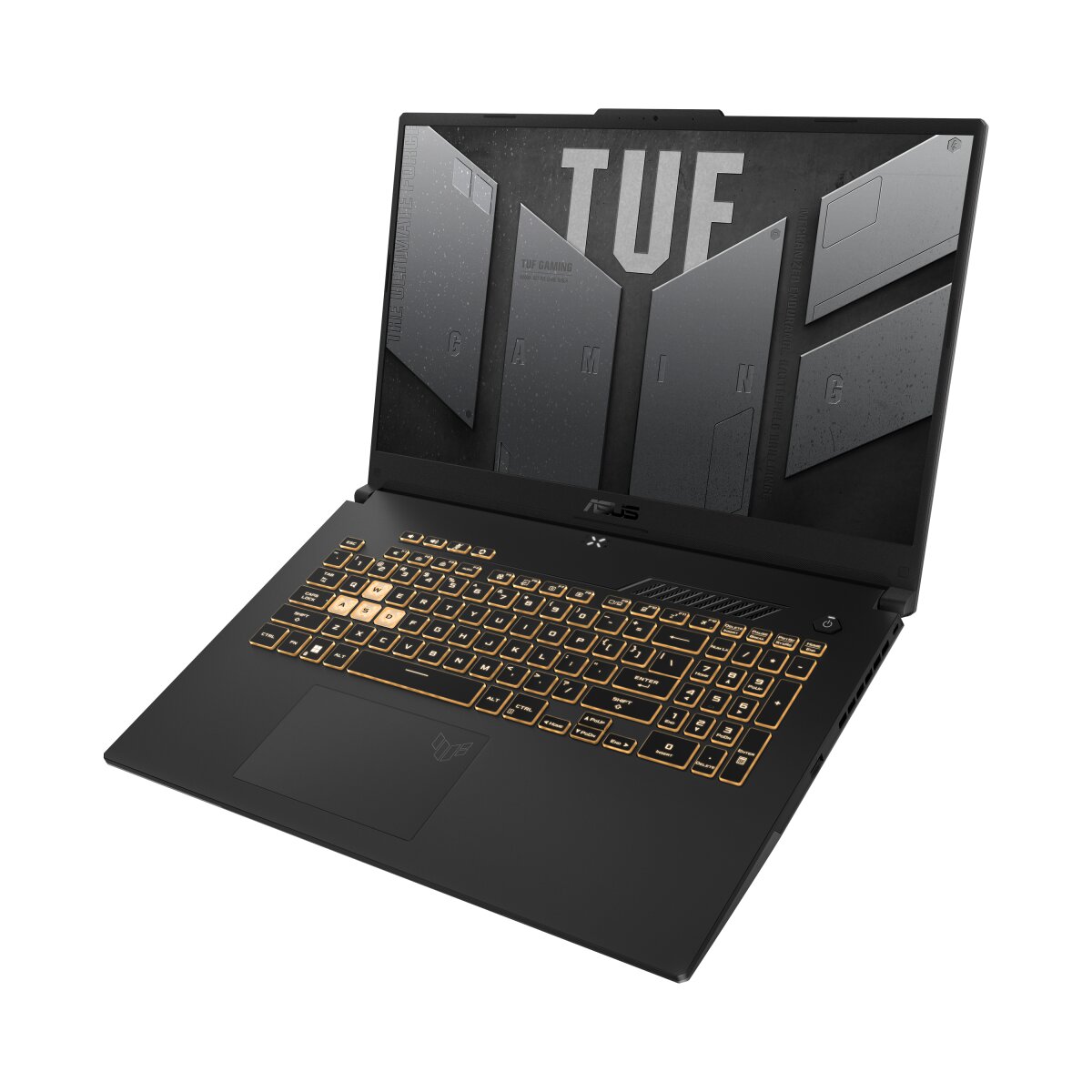
The ASUS TUF Gaming F17 series model TUF707VI-HX064W features two SO-DIMM memory slots supporting DDR5-SDRAM upgrades. Maximum compatible RAM capacity is 32 GB, with memory operating at 4800 MHz frequency. RAM upgrade specifications indicate this laptop model supports dual-channel memory configuration for enhanced performance. Compatible memory modules must be DDR5 SO-DIMM form factor to achieve optimal system functionality and specifications.
Memory Upgrade Specifications
| Specification | Value |
|---|---|
| Memory slots | 2x SO-DIMM |
| Form factor | SO-DIMM |
| Memory type | DDR5-SDRAM |
| Frequency | 4800 MHz |
| Maximum RAM | 32 GB |
| Voltage | 1.1V |
| Number of pins | 262-pin |
| Interface | PC5 |
| PC Speed Rating | PC5-4800 (PC5-38400) |
| Bandwidth | 38.4 GB/s |
Additional Notes
- The 32 GB ceiling reflects chipset limitations rather than physical slot capacity, preventing future expansion beyond this threshold regardless of individual module density improvements.
- DDR5 modules require higher voltage regulation compared to DDR4 predecessors, necessitating verification that replacement modules match the factory power delivery specifications to avoid thermal throttling.
- The 4800 MHz base frequency represents JEDEC standard speed for DDR5, meaning the system likely lacks XMP/EXPO profile support that would enable higher-performance modules to operate beyond this baseline.
- SO-DIMM format compatibility excludes standard UDIMM desktop modules, requiring laptop-specific components with different pin configurations and physical dimensions.
- Dual-channel architecture demands matched module pairs for optimal bandwidth utilization, as mismatched capacities or timings force the memory controller to operate in asymmetric or single-channel modes.
- The ASUS TUF Gaming TUF707VI-HX064W uses non-ECC unbuffered memory, making enterprise-grade ECC SO-DIMMs incompatible despite matching physical specifications.
- Factory-installed modules likely operate at CAS latency CL40 or CL42, while aftermarket alternatives with lower latencies may not provide measurable performance gains due to BIOS timing constraints.
- Warranty preservation typically requires maintaining at least one original module during upgrades, as complete memory replacement can complicate manufacturer service claims tied to configuration changes.
- Installation requires complete power disconnection and battery removal protocols specific to gaming laptops with high-capacity cells, extending the physical upgrade procedure beyond simple module insertion.
- DDR5's on-die ECC feature operates transparently at the hardware level but differs fundamentally from full ECC SDRAM, providing error correction without system-level reporting capabilities.