ASUS TUF Gaming TUF707VI-HX049 RAM upgrade specifications
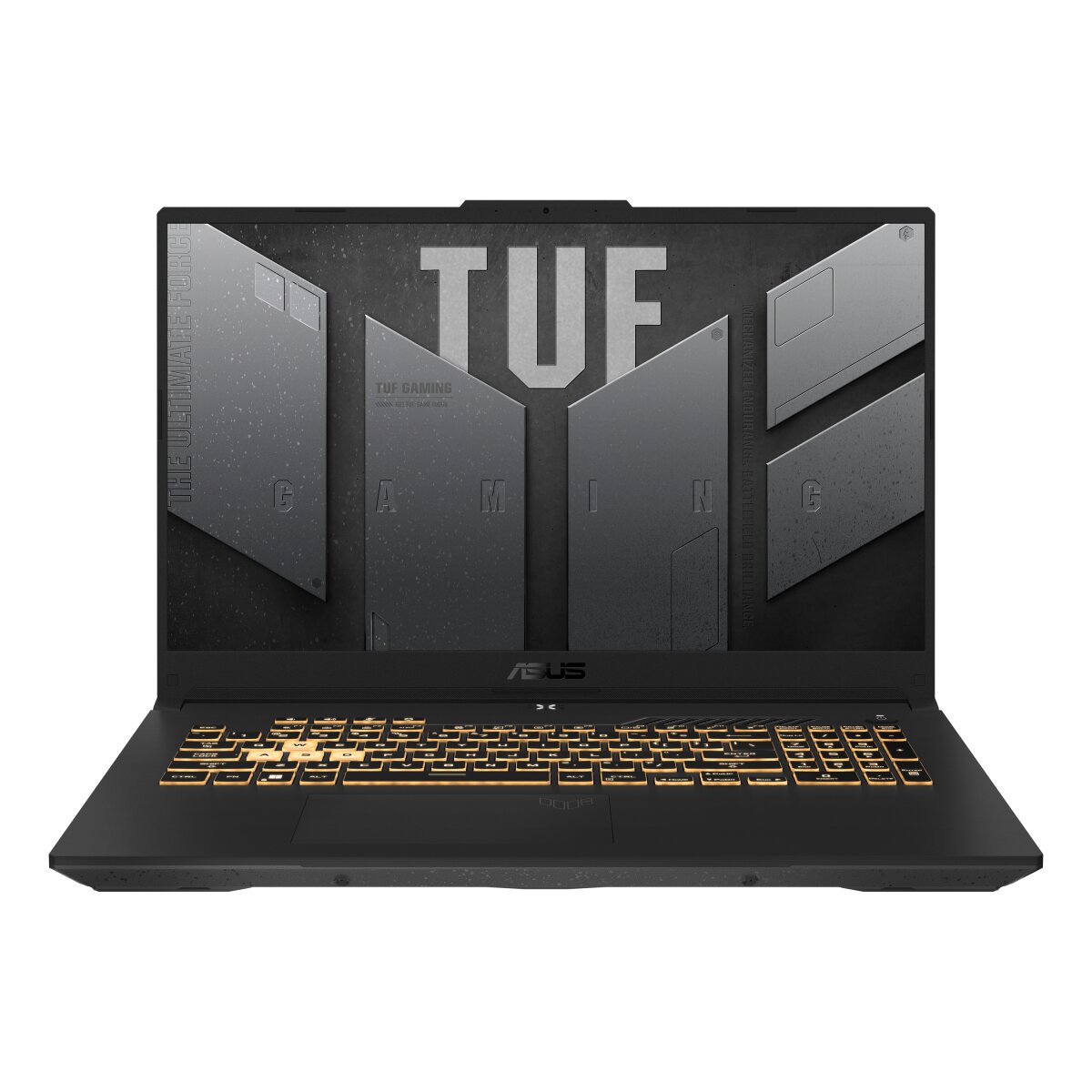


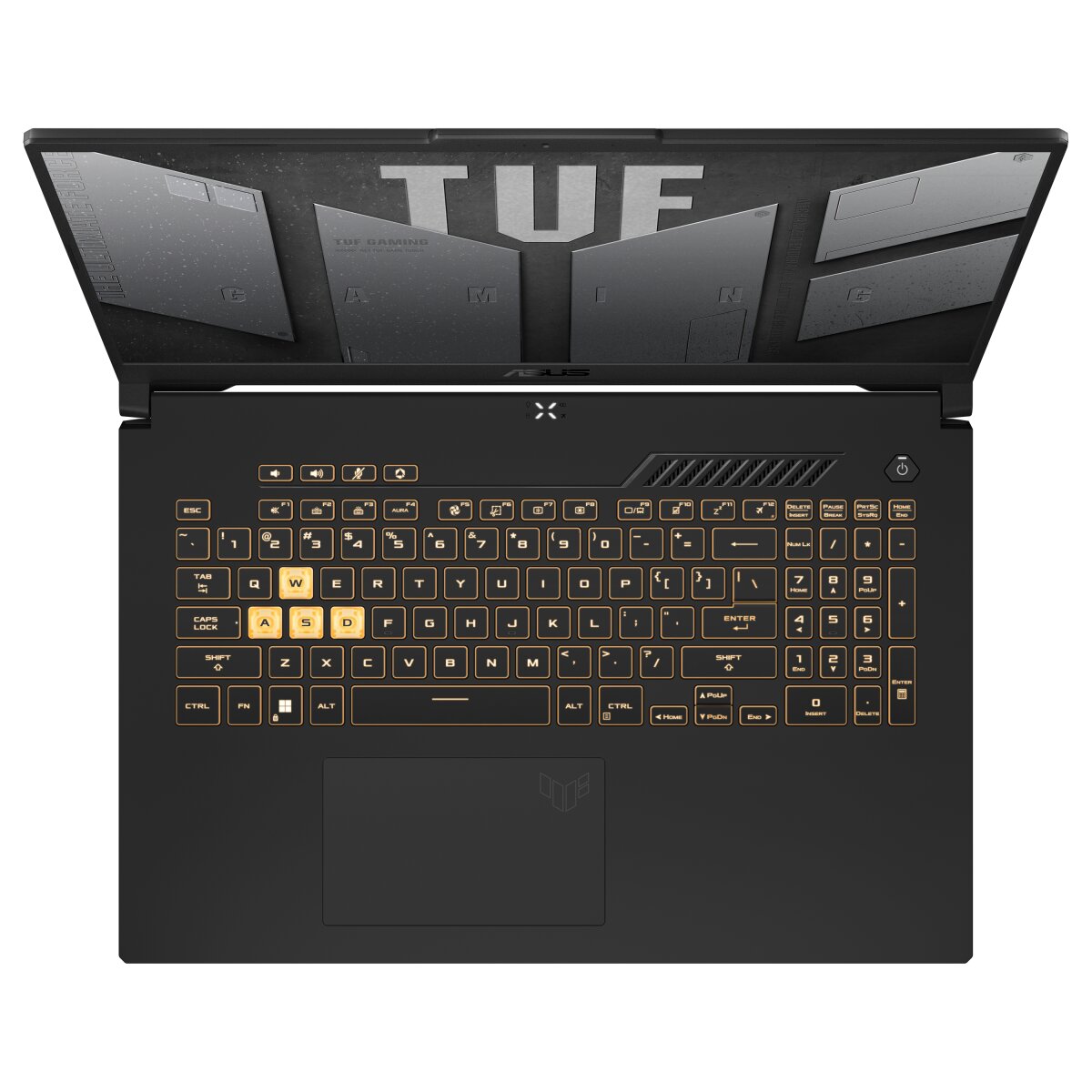
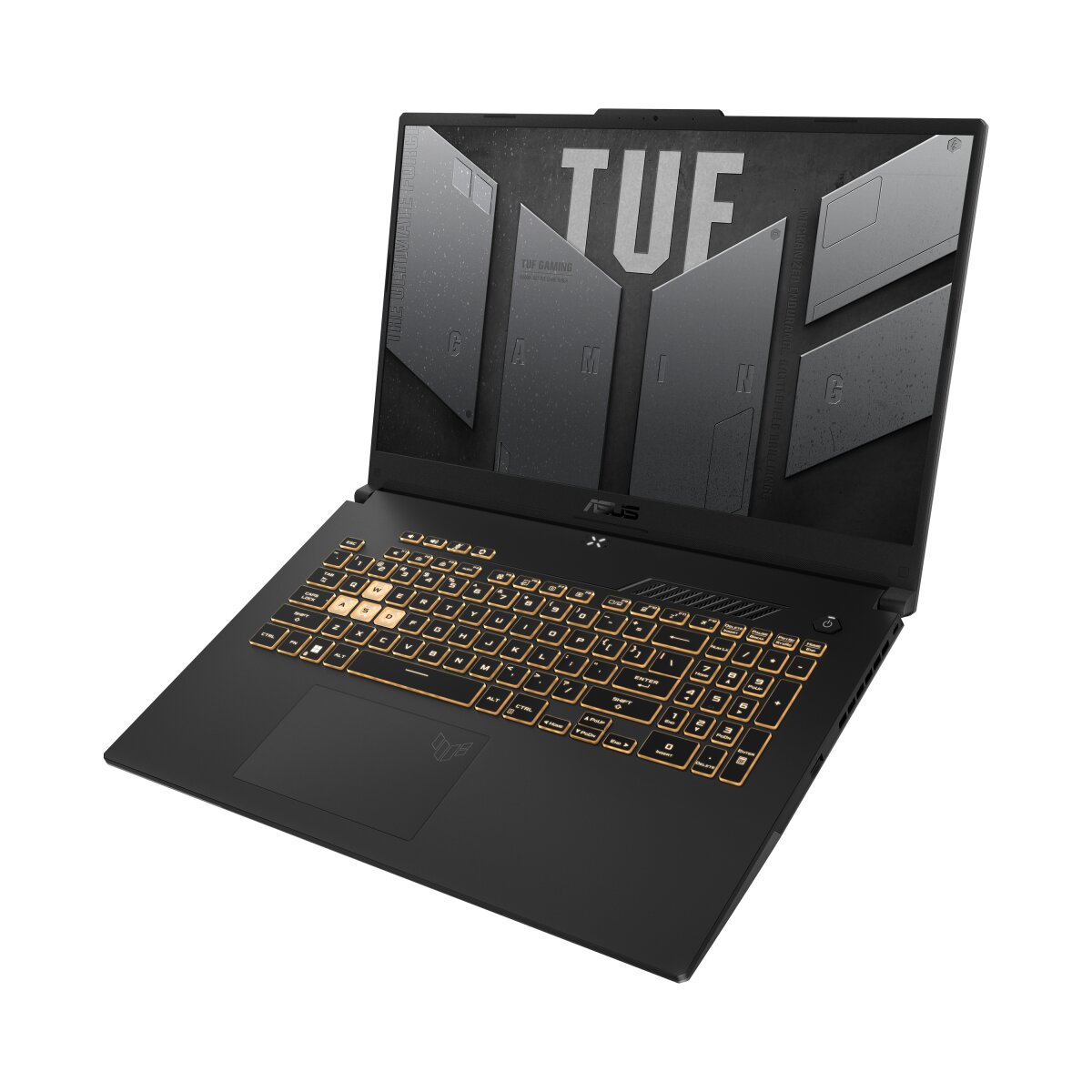
ASUS TUF Gaming F17 series model TUF707VI-HX049 supports DDR5-SDRAM memory upgrades with two SO-DIMM slots. Maximum RAM capacity reaches 32 GB total. Compatible memory operates at 4800 MHz frequency. SO-DIMM form factor enables laptop memory expansion. Specifications indicate upgrade compatibility for enhanced multitasking and performance capabilities on ASUS TUF Gaming F17 platform.
Memory Upgrade Specifications
| Specification | Value |
|---|---|
| Memory slots | 2x SO-DIMM |
| Form factor | SO-DIMM |
| Memory type | DDR5-SDRAM |
| Frequency | 4800 MHz |
| Maximum RAM | 32 GB |
| Voltage | 1.1V |
| Number of pins | 262-pin |
| Interface | PC5 |
| PC Speed Rating | PC5-4800 (PC5-38400) |
| Bandwidth | 38.4 GB/s |
| Laptop Release date | 29 November 2023 |
Additional Notes
- The ASUS TUF Gaming TUF707VI-HX049 implements a 32 GB ceiling that restricts future capacity expansion beyond dual 16 GB modules, regardless of industry availability of higher-density SO-DIMMs.
- DDR5 technology eliminates backward compatibility with DDR4 modules due to incompatible voltage requirements, physical notch positioning, and signaling protocols.
- The 4800 MHz specification represents JEDEC baseline speed for DDR5, leaving headroom for modules rated at 5200 MHz, 5600 MHz, or 6000 MHz that will downclock to chipset-supported frequencies.
- SO-DIMM form factor precludes installation of desktop UDIMM modules due to shorter 67.6 mm length versus standard 133.35 mm DIMM dimensions.
- Dual-slot configuration enables single-channel operation with one module but requires matched pair installation across both slots to activate dual-channel bandwidth architecture.
- DDR5's on-die ECC operates independently from server-grade external ECC, providing internal data integrity without BIOS-level error reporting functionality.
- The 2x SO-DIMM layout suggests soldered memory absence on the motherboard, allowing complete RAM replacement without stranded non-upgradable capacity.
- Module insertion requires correct alignment with the offset notch position specific to DDR5, preventing accidental installation of physically similar but electrically incompatible legacy SO-DIMMs.
- Mixing modules with different speed ratings forces system-wide operation at the lowest common frequency, negating performance advantages of higher-binned memory.
- DDR5's split-bank architecture internally doubles prefetch buffer to 16n compared to DDR4's 8n structure, improving burst access efficiency independent of rated frequency.
- The 1.1V native voltage requirement for DDR5-4800 reduces thermal output compared to DDR4's 1.2V standard, affecting cooling demands in confined laptop chassis environments.
- Warranty preservation typically requires matching original equipment manufacturer specifications when replacing factory-installed modules rather than exceeding rated speeds or capacities.