ASUS TUF Gaming TUF707VI-HX064 RAM upgrade specifications


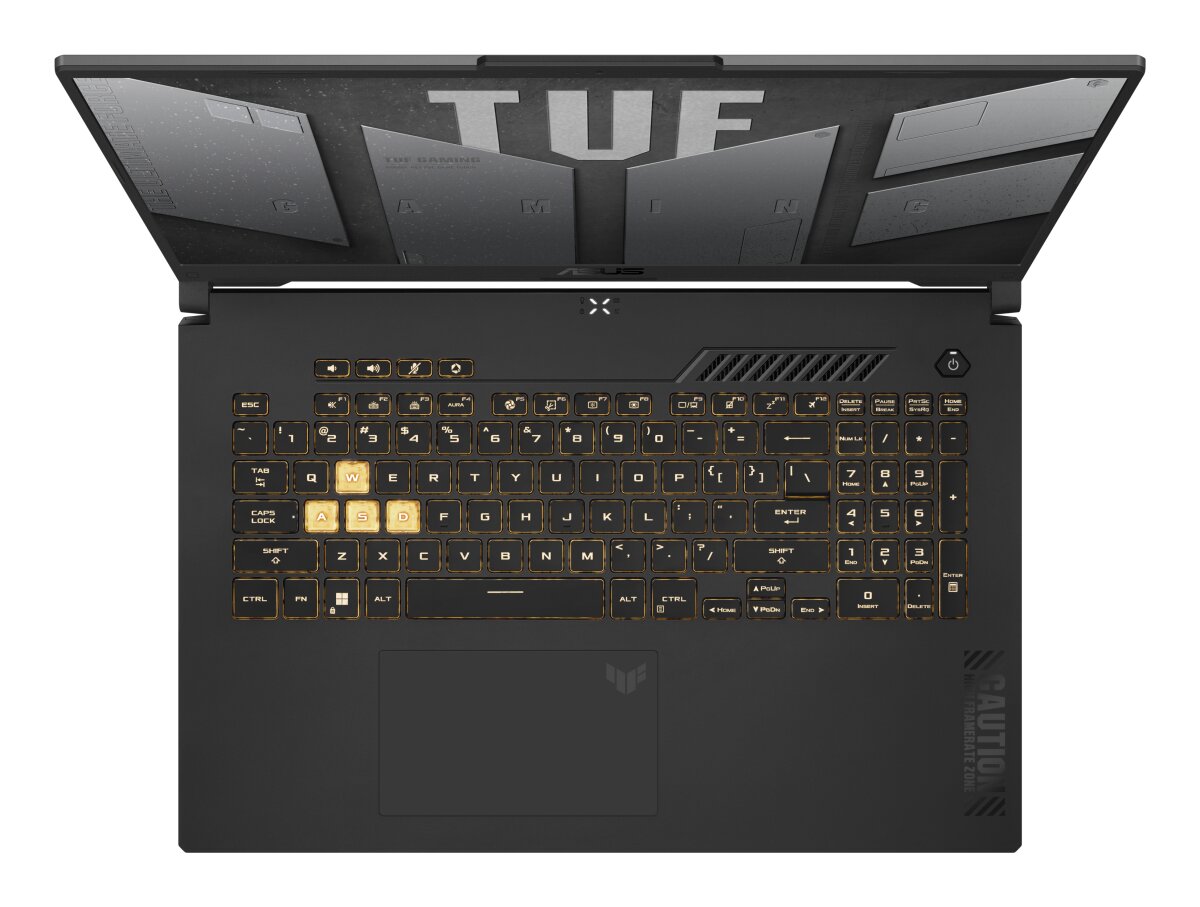


ASUS TUF Gaming F17 Series model TUF707VI-HX064 supports DDR5-SDRAM memory upgrades with two SO-DIMM slots. Maximum RAM capacity reaches 32 GB total. Compatible memory modules operate at 4800 MHz frequency. Upgrade specifications indicate SO-DIMM form factor for memory installation. The laptop accommodates DDR5 memory upgrades to enhance system performance and multitasking capabilities.
Memory Upgrade Specifications
| Specification | Value |
|---|---|
| Memory slots | 2x SO-DIMM |
| Form factor | SO-DIMM |
| Memory type | DDR5-SDRAM |
| Frequency | 4800 MHz |
| Maximum RAM | 32 GB |
| Voltage | 1.1V |
| Number of pins | 262-pin |
| Interface | PC5 |
| PC Speed Rating | PC5-4800 (PC5-38400) |
| Bandwidth | 38.4 GB/s |
Additional Notes
- The ASUS TUF Gaming TUF707VI-HX064 accepts DDR5 modules exclusively, preventing installation of older DDR4 or DDR3 memory regardless of physical compatibility.
- DDR5-4800 represents the JEDEC baseline specification, meaning faster modules rated at 5200 MHz, 5600 MHz, or beyond will downclock to 4800 MHz operation when installed.
- The 32 GB ceiling restricts dual-channel configurations to either 2x16 GB modules or asymmetric pairings like 16 GB plus 8 GB, with single 32 GB modules unsupported.
- SO-DIMM packaging differentiates laptop memory from desktop DIMM modules, making standard desktop DDR5 physically incompatible despite sharing the same generation technology.
- Both memory slots typically reside beneath bottom-panel access covers on gaming laptops, though one slot may require motherboard removal depending on chassis architecture.
- Dual-channel bandwidth reaches 76.8 GB/s theoretical maximum at DDR5-4800 speeds when both slots contain matched modules, compared to 38.4 GB/s in single-channel configurations.
- Mixed-capacity installations maintain dual-channel operation only up to the doubled capacity of the smaller module, with remaining capacity reverting to slower single-channel mode.
- Voltage specifications for DDR5 operate at 1.1V standard compared to DDR4's 1.2V, reducing power draw but requiring compatible memory controller support.
- Non-ECC unbuffered modules remain the standard for consumer laptops, while ECC or registered variants designed for workstations will face rejection during POST.
- Thermal considerations become relevant under sustained workloads, as DDR5 generates more heat than DDR4 despite lower operating voltage, particularly in compact laptop enclosures.
- Factory-installed memory often uses single-rank or dual-rank organization, with rank configuration affecting compatibility when mixing modules from different manufacturers.
- XMP 3.0 or EXPO overclocking profiles embedded in enthusiast-grade modules provide no benefit when the system limitation enforces 4800 MHz operation.
- Warranty preservation typically allows user-accessible memory upgrades without seal breakage, unlike soldered configurations that prohibit any capacity modifications.