ASUS TUF Gaming TUF707VI-HX107W RAM upgrade specifications
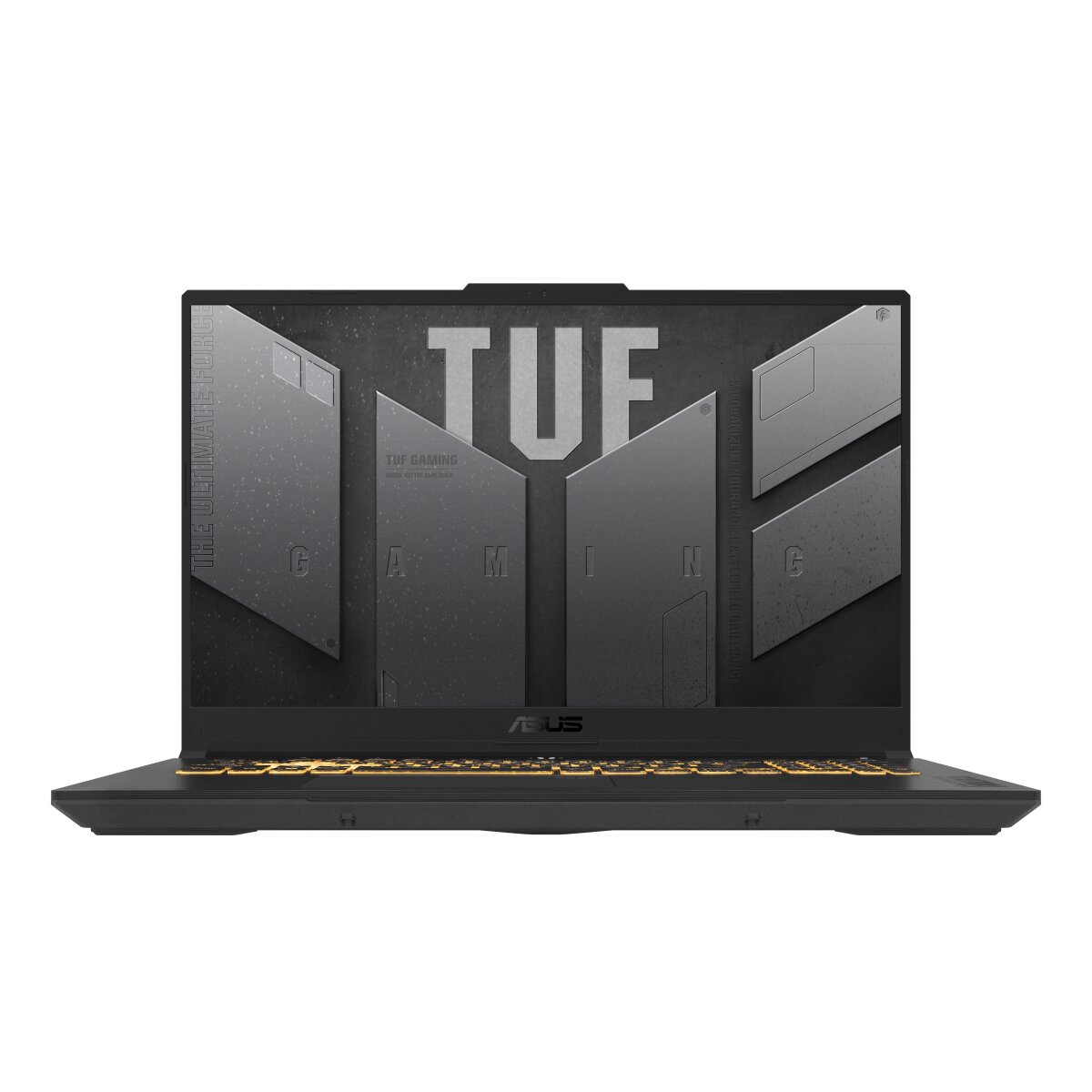
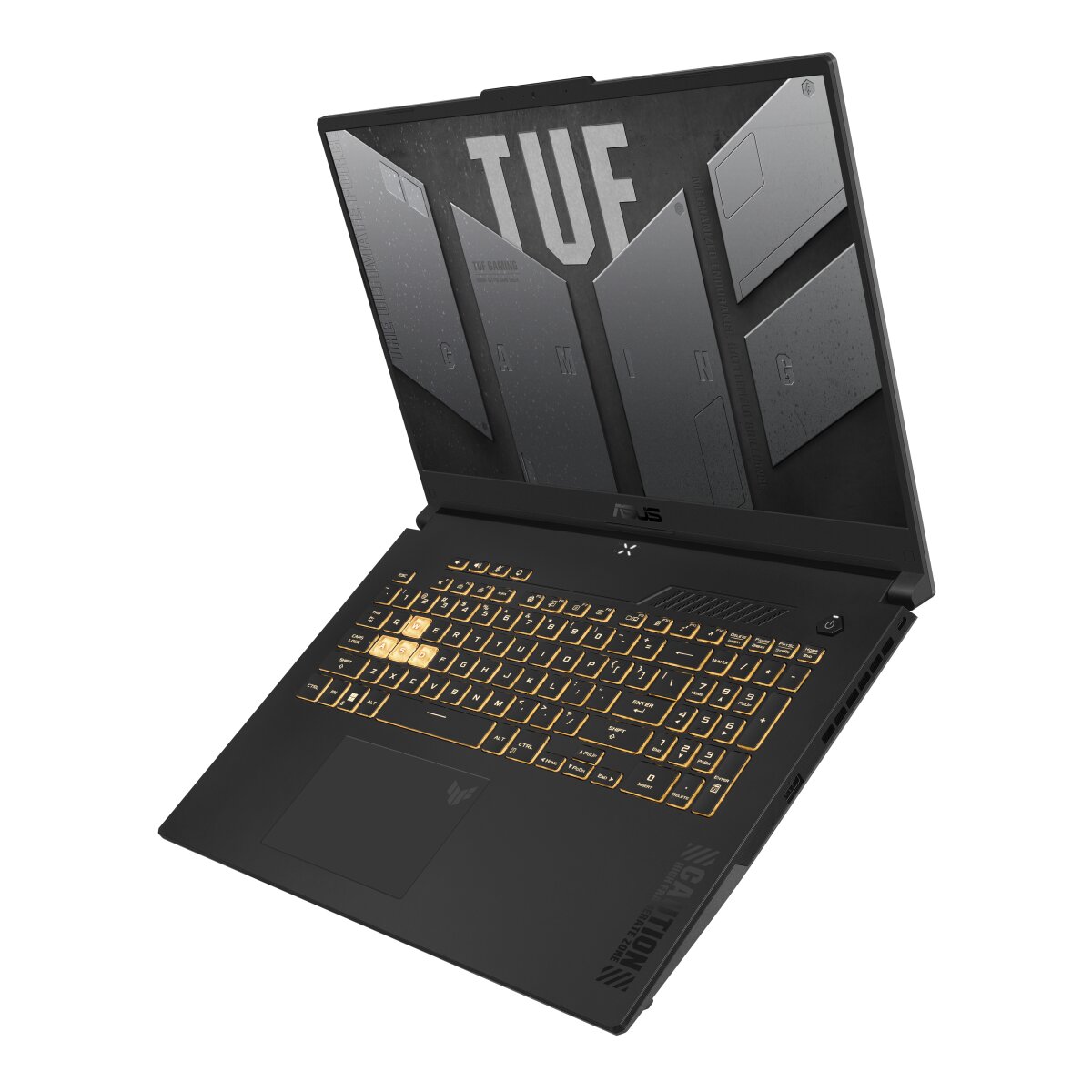


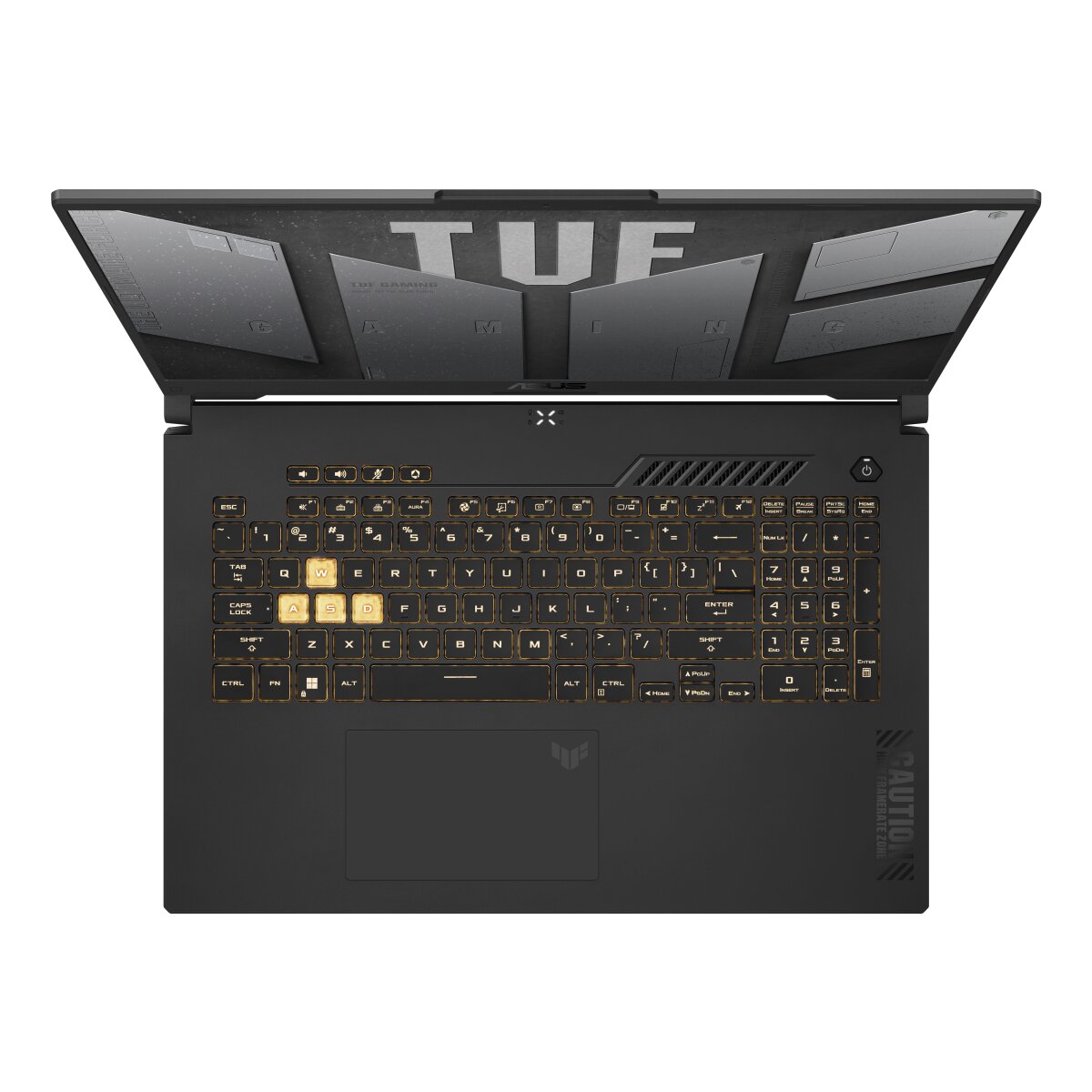
ASUS TUF Gaming F17 series model TUF707VI-HX107W supports DDR5-SDRAM memory upgrades via two SO-DIMM slots. The laptop accommodates maximum RAM capacity of 64 GB total. Compatible memory operates at 4800 MHz frequency. Specifications indicate upgrade potential for users requiring enhanced multitasking performance and application processing capabilities in gaming and professional workloads.
Memory Upgrade Specifications
| Specification | Value |
|---|---|
| Memory slots | 2x SO-DIMM |
| Form factor | SO-DIMM |
| Memory type | DDR5-SDRAM |
| Frequency | 4800 MHz |
| Maximum RAM | 64 GB |
| Voltage | 1.1V |
| Number of pins | 262-pin |
| Interface | PC5 |
| PC Speed Rating | PC5-4800 (PC5-38400) |
| Bandwidth | 38.4 GB/s |
Additional Notes
- The ASUS TUF Gaming TUF707VI-HX107W architecture prevents mixing DDR4 modules with the installed DDR5 interface due to incompatible pin configurations and voltage requirements.
- Reaching the 64 GB ceiling requires 2 modules of 32 GB each, as the dual-slot configuration offers no alternative pathway to maximum capacity.
- Modules rated above 4800 MHz will downclock to match the system's supported frequency, effectively neutralizing any speed premium paid for higher-rated memory.
- Desktop DIMM modules are physically incompatible with the SO-DIMM slot architecture due to differing pin counts and notch positioning.
- Single-module configurations sacrifice dual-channel bandwidth, halving theoretical memory throughput from 76.8 GB/s to 38.4 GB/s.
- Upgrading beyond factory-installed capacity requires verifying whether soldered memory exists alongside the SO-DIMM slots, as hybrid configurations restrict total addressable capacity.
- Modules operating below JEDEC standard voltages for DDR5 (1.1V) may fail POST or require manual BIOS voltage adjustment for stability.
- Mismatched module capacities between slots maintain dual-channel operation only up to the smaller module's size, operating remaining capacity in slower single-channel mode.
- The 4800 MHz specification represents the maximum supported speed, meaning modules rated at 5200 MHz or higher provide no performance advantage without BIOS overclocking support.
- Non-standard SO-DIMM heights exceeding 30mm may interfere with keyboard assemblies or thermal solutions in compact gaming chassis designs.
- Warranty preservation typically requires avoiding BIOS modifications, limiting users to JEDEC-standard modules rather than XMP/EXPO-certified performance kits.
- Asymmetric module pairing maintains compatibility but forces memory controllers to operate at the speed and timings of the slowest installed module.