ASUS TUF Gaming TUF706HM-HX165 RAM upgrade specifications

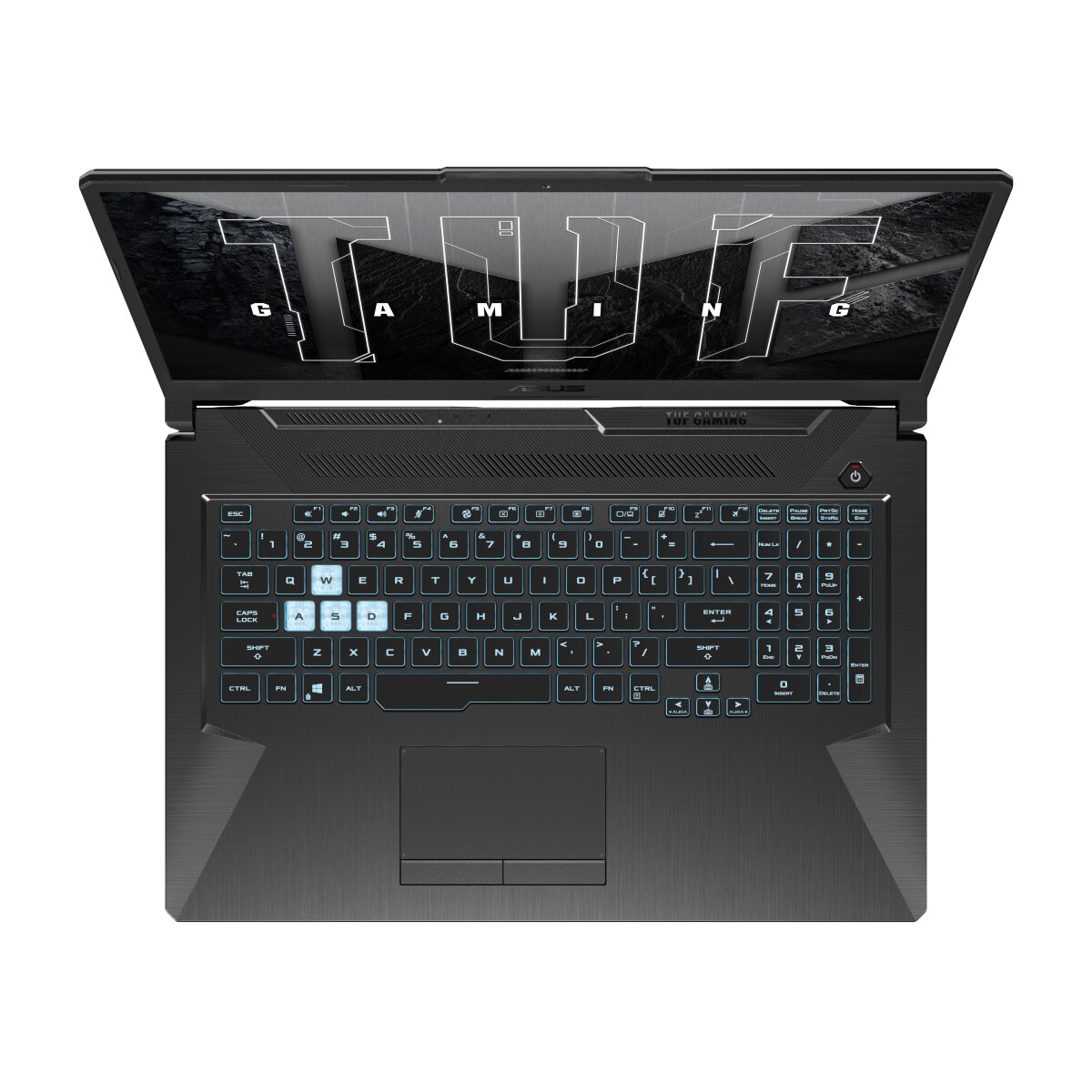



The ASUS TUF Gaming F17 TUF706HM-HX165 features DDR4-SDRAM memory configuration with two SO-DIMM slots supporting maximum capacity of 32 GB total. The upgrade specifications indicate compatibility with DDR4 memory modules operating at 3200 MHz frequency. Existing memory can be supplemented or replaced through available SO-DIMM slots to achieve maximum RAM capacity. Complete specifications document memory compatibility parameters and slot availability for RAM upgrades on this laptop model.
Memory Upgrade Specifications
| Specification | Value |
|---|---|
| Memory slots | 2x SO-DIMM |
| Form factor | SO-DIMM |
| Memory type | DDR4-SDRAM |
| Frequency | 3200 MHz |
| Maximum RAM | 32 GB |
| Voltage | 1.2V |
| Number of pins | 260-pin |
| Interface | PC4 |
| PC Speed Rating | PC4-3200 (PC4-25600) |
| Bandwidth | 25.6 GB/s |
| Laptop Release date | 13 June 2021 |
Additional Notes
- The ASUS TUF Gaming TUF706HM-HX165 supports only 2 memory slots, limiting expandability to a maximum capacity of 32 GB total; upgrading beyond this threshold requires complete module replacement rather than supplementary installation.
- DDR4-3200 MHz specification indicates the system cannot leverage DDR5 modules or higher-frequency DDR4 variants (3600 MHz, 4000 MHz), restricting upgrade options to SO-DIMM DDR4 sticks rated at 3200 MHz or lower speeds.
- SO-DIMM form factor constrains physical dimensions to laptop-standard compact modules; desktop DDR4 UDIMMs are physically incompatible and cannot be force-fitted without causing hardware damage.
- Dual-slot architecture means single-module upgrades leave one slot vacant; symmetric dual-channel configuration (matching pairs) typically yields better memory bandwidth performance than asymmetric single-stick installations.
- The 32 GB ceiling combined with 2 slots necessitates 16 GB individual modules to reach maximum capacity; sourcing matched pairs becomes critical for warranty-compliant installations and stable operation under sustained loads.
- Memory speed locked at 3200 MHz indicates BIOS firmware does not expose overclocking controls for this subsystem; memory timings and voltage adjustments likely remain inaccessible to end users.