ASUS TUF Gaming TUF766HC-HX089T RAM upgrade specifications

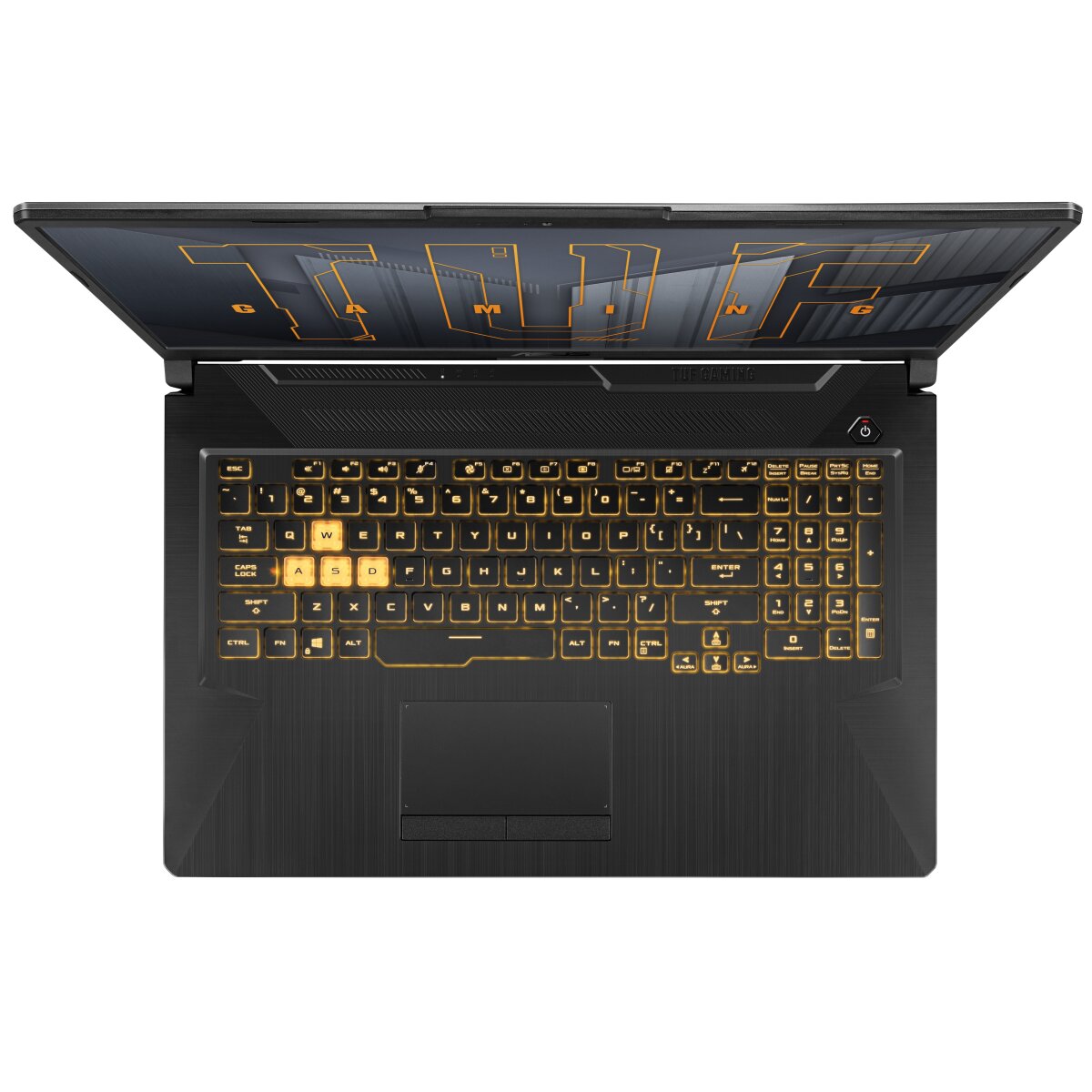


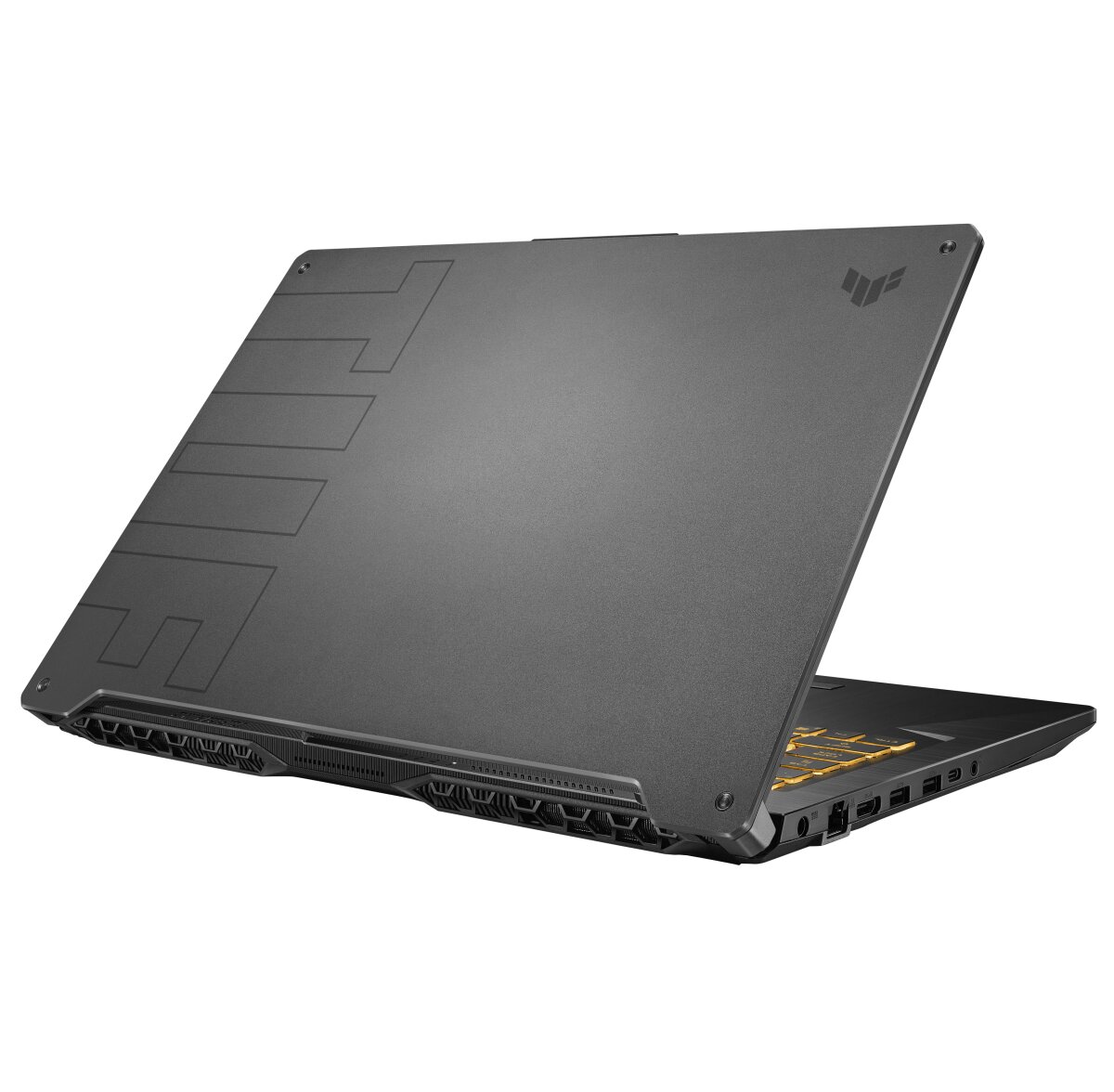
ASUS TUF Gaming F17 series model TUF766HC-HX089T features DDR4-SDRAM memory with two SO-DIMM slots supporting maximum capacity of 32 GB total RAM. Memory upgrade specifications indicate compatible DDR4 modules operating at 3200 MHz frequency. RAM upgrade options for this laptop provide expandable memory configurations through the dual SO-DIMM slots, enabling users to increase system memory capacity from stock specifications up to the maximum supported 32 GB threshold for enhanced multitasking performance and application handling capabilities.
Memory Upgrade Specifications
| Specification | Value |
|---|---|
| Memory slots | 2x SO-DIMM |
| Form factor | SO-DIMM |
| Memory type | DDR4-SDRAM |
| Frequency | 3200 MHz |
| Maximum RAM | 32 GB |
| Voltage | 1.2V |
| Number of pins | 260-pin |
| Interface | PC4 |
| PC Speed Rating | PC4-3200 (PC4-25600) |
| Bandwidth | 25.6 GB/s |
| Laptop Release date | 15 November 2021 |
Additional Notes
- The ASUS TUF Gaming TUF766HC-HX089T relies on dual-channel SO-DIMM architecture, meaning single-stick configurations will halve the memory bandwidth and reduce integrated graphics performance where applicable.
- The 32 GB ceiling reflects chipset or BIOS limitations rather than physical slot capacity, as most DDR4 SO-DIMM slots physically accept modules up to 32 GB each.
- Mixing modules with different densities or ranks may force the memory controller to downclock all sticks to the lowest common specification, negating the 3200 MHz rating.
- Non-matching CAS latencies between installed modules can trigger stability issues or force the system to apply conservative timing profiles that increase access delays.
- SO-DIMM slots positioned beneath keyboard assemblies or cooling systems require partial disassembly, often voiding seals that manufacturers use to track unauthorized service access.
- Aftermarket modules rated beyond JEDEC standards for 3200 MHz operation may not achieve advertised speeds without XMP profile support in the firmware, which varies by BIOS version.
- Thermal constraints in compact laptop chassis can prevent sustained 3200 MHz operation under load, triggering dynamic frequency scaling that reduces effective throughput below the nominal specification.
- Running asymmetric capacities across the 2 slots maintains dual-channel mode only up to the size of the smaller module, with excess capacity on the larger stick operating in slower single-channel mode.
- Voltage mismatches between 1.2V JEDEC-standard modules and 1.35V performance-oriented sticks may cause POST failures or force all modules to operate at the higher voltage, increasing heat output.
- The DDR4-SDRAM standard's lack of backward compatibility with DDR3 or forward compatibility with DDR5 locks the upgrade path to an increasingly narrow market as newer standards gain adoption.