ASUS Transformer T102HA-GR022T RAM upgrade specifications
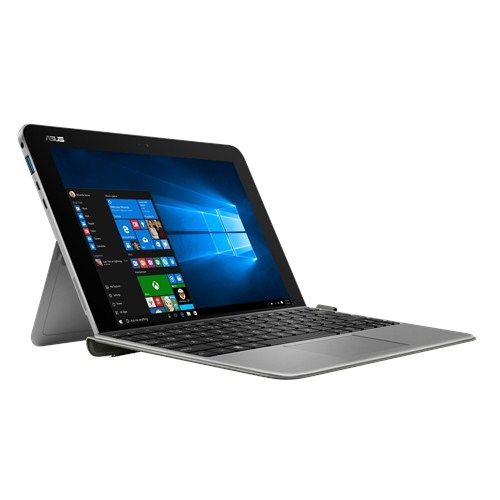
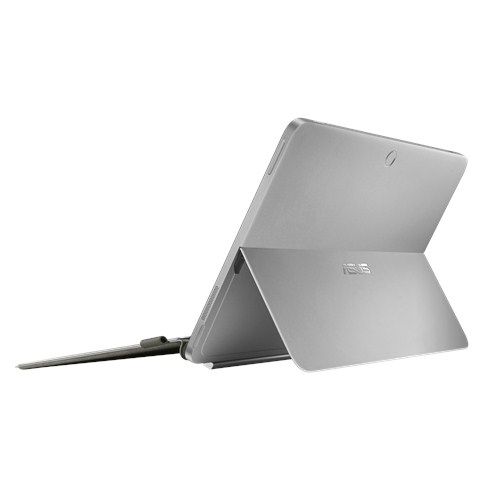

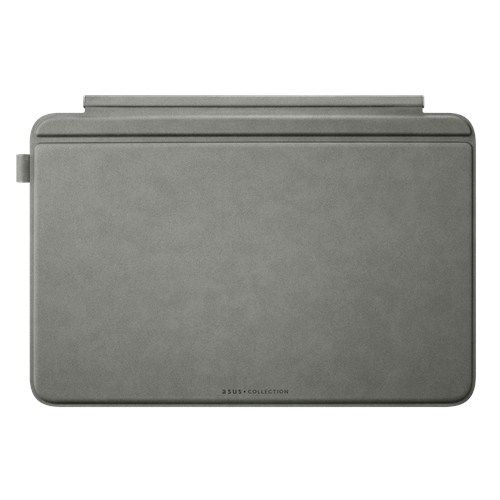
The ASUS Transformer Mini T102HA-GR022T features a single SO-DIMM memory slot supporting DDR3-SDRAM modules at 1066 MHz frequency. Maximum compatible RAM capacity is 4 GB. The T102HA-GR022T specifications indicate upgrade slots accommodate SO-DIMM form factor memory modules. DDR3-SDRAM memory upgrades are compatible with the ASUS Transformer Mini series T102HA-GR022T model, allowing users to expand the device's memory specifications up to the maximum supported capacity of 4 GB through the available upgrade slot.
Memory Upgrade Specifications
| Specification | Value |
|---|---|
| Memory slots | 1x SO-DIMM |
| Form factor | SO-DIMM |
| Memory type | DDR3-SDRAM |
| Frequency | 1066 MHz |
| Maximum RAM | 4 GB |
| Voltage | 1.5V |
| Number of pins | 204-pin |
| Interface | PC3 |
| PC Speed Rating | PC3-1066 (PC3-8528) |
| Bandwidth | 8.5 GB/s |
| Laptop Release date | 04 October 2016 |
Additional Notes
- The ASUS Transformer T102HA-GR022T features soldered memory architecture, meaning the 1x SO-DIMM specification indicates a single memory channel with no physical slot accessible for replacement.
- The 4 GB maximum capacity limitation stems from chipset addressing constraints rather than slot limitations, making RAM expansion impossible regardless of technical skill level.
- DDR3-SDRAM running at 1066 MHz delivers a theoretical bandwidth ceiling of 8.5 GB/s in single-channel configuration, which may create bottlenecks during simultaneous application usage or browser tab loading.
- The 1066 MHz frequency operates below standard DDR3-1333 or DDR3-1600 specifications, indicating power consumption optimization prioritized over raw performance in the system design.
- Single-channel memory configuration halves memory bandwidth compared to dual-channel systems, directly impacting integrated graphics performance since GPU and CPU share the same memory pool.
- The soldered implementation eliminates warranty risks associated with user modifications but permanently locks memory capacity to factory configuration.
- Operating systems with higher memory requirements will face immediate limitations, as the 4 GB threshold leaves minimal overhead after system processes and background services consume their allocation.
- Memory-intensive applications such as virtual machines, video editing software, or professional development environments will encounter performance degradation or operational incompatibility.
- The SO-DIMM designation in this context refers to the form factor of the soldered module rather than indicating user-accessible expansion capability.
- Future software updates and operating system versions may exceed the 4 GB threshold for minimum requirements, effectively establishing a hardware-based obsolescence timeline.