ASUS Vivobook F412DA-EK080T RAM upgrade specifications
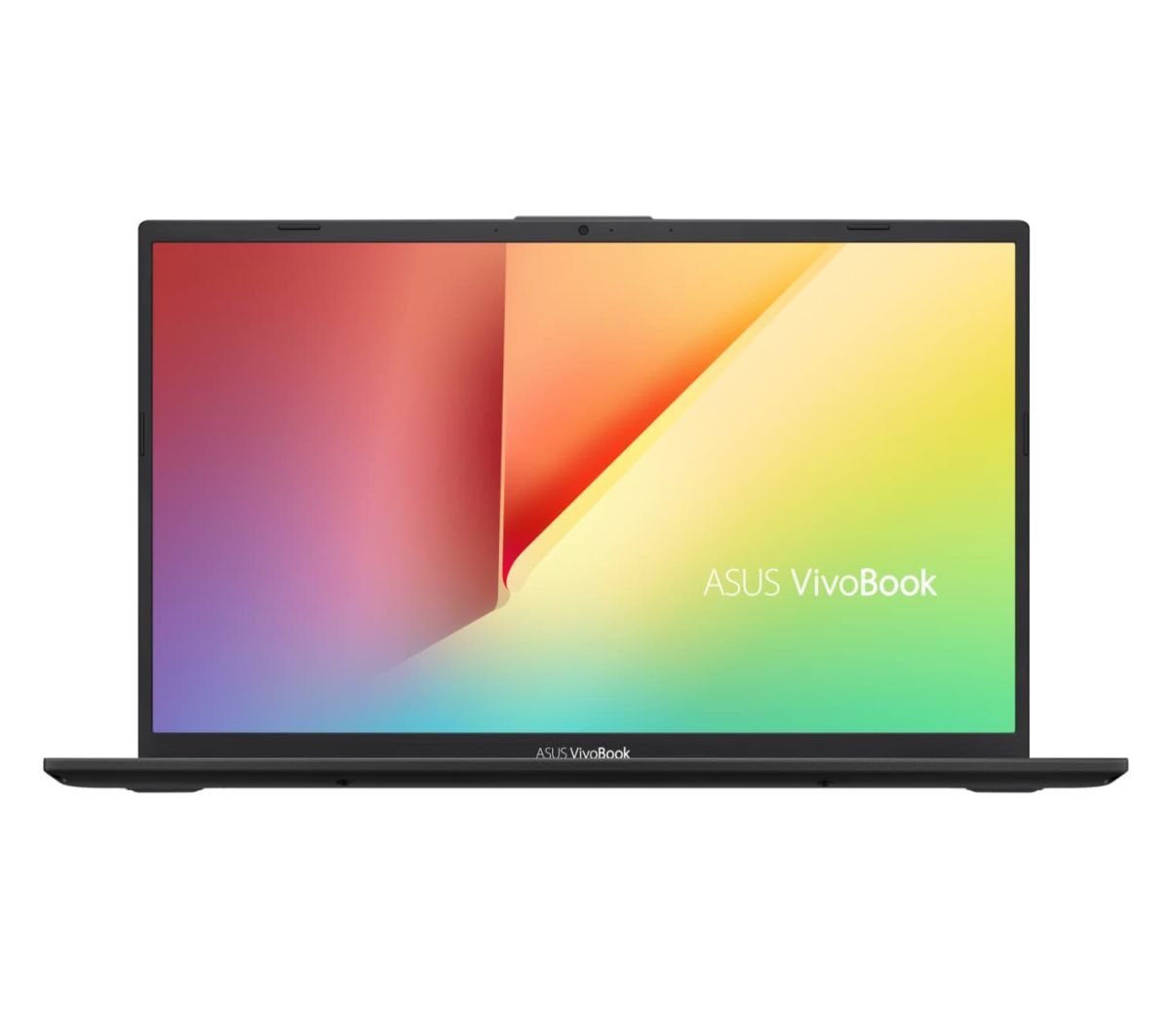
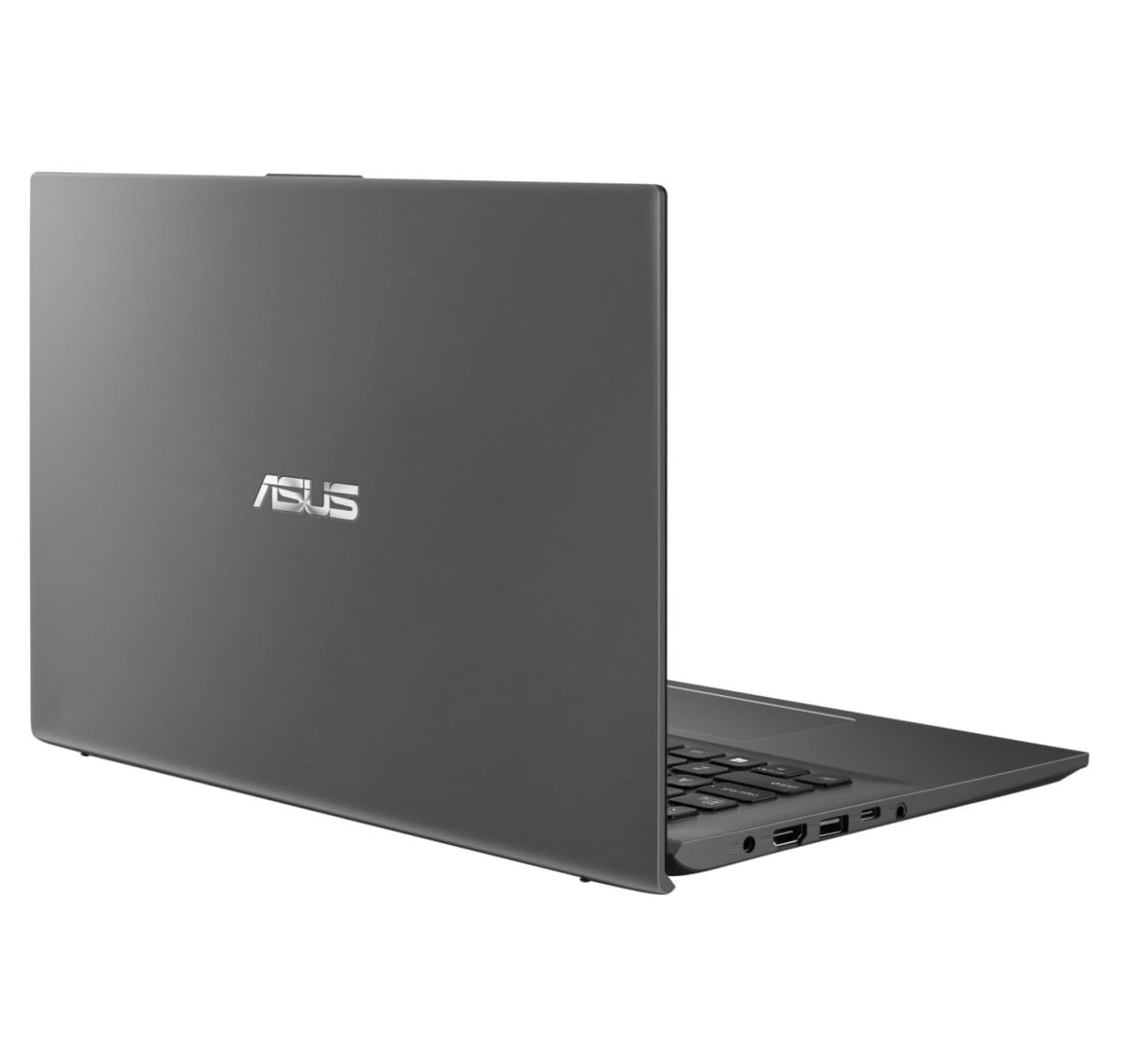

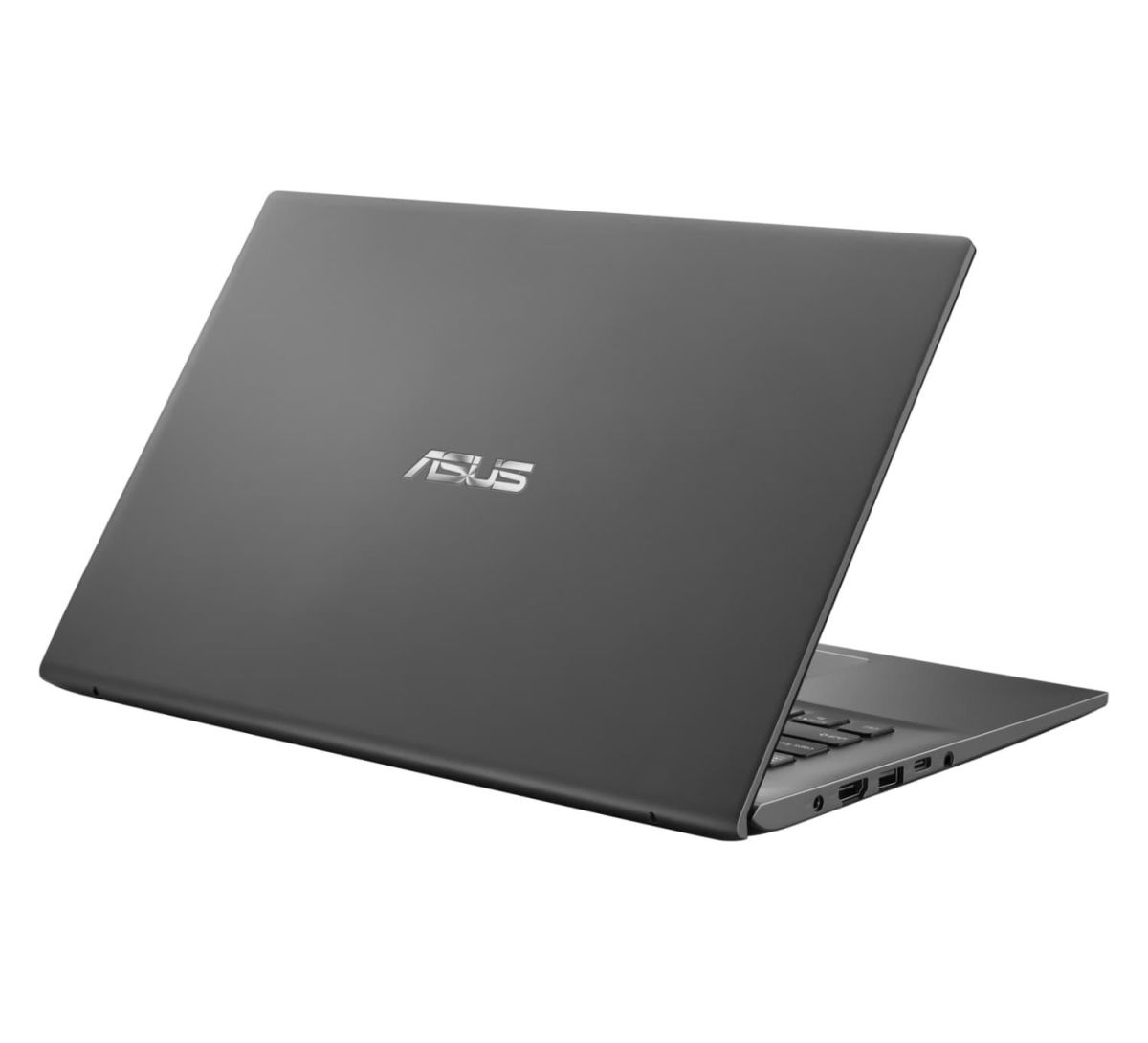
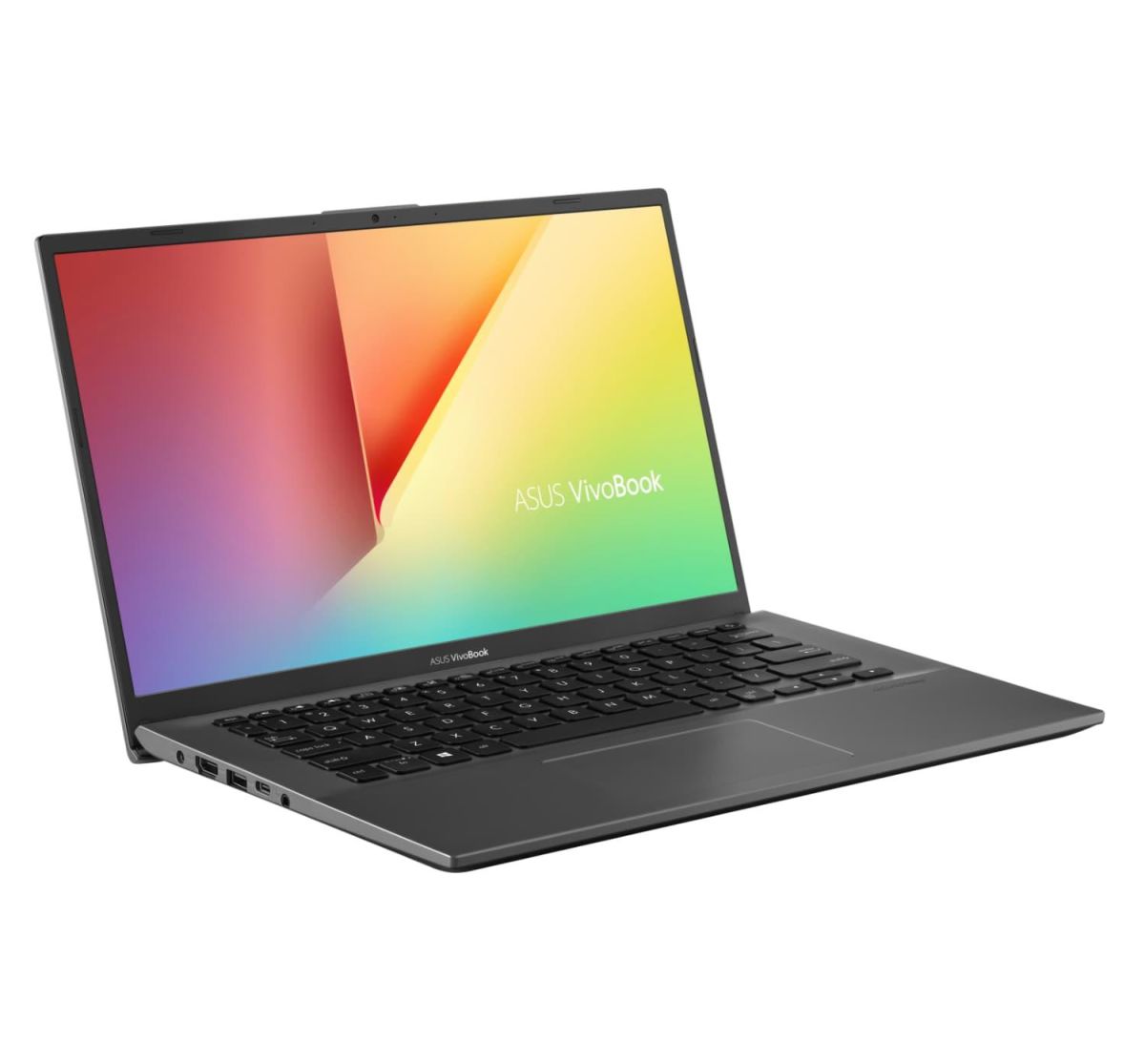
The ASUS Vivobook 14 Series F412DA-EK080T features DDR4-SDRAM memory specifications with upgrade capabilities. The laptop contains one SO-DIMM slot for RAM expansion, supplemented by on-board memory. Maximum compatible RAM capacity reaches 12 GB total. Memory modules operate at 2400 MHz frequency. The upgrade slot accommodates standard SO-DIMM form factor modules, enabling users to increase the device's memory capacity beyond the factory configuration. Specifications support DDR4-SDRAM technology for this Vivobook model.
Memory Upgrade Specifications
| Specification | Value |
|---|---|
| Memory slots | 1x SO-DIMM |
| Form factor | On-board + SO-DIMM |
| Memory type | DDR4-SDRAM |
| Frequency | 2400 MHz |
| Maximum RAM | 12 GB |
| Voltage | 1.2V |
| Number of pins | 260-pin |
| Interface | PC4 |
| PC Speed Rating | PC4-2400 (PC4-19200) |
| Bandwidth | 19.2 GB/s |
| Laptop Release date | 29 October 2019 |
Additional Notes
- The ASUS Vivobook F412DA-EK080T combines soldered memory with a single expansion slot, limiting future upgrade flexibility compared to dual-slot configurations.
- The 12 GB maximum capacity indicates 4 GB of permanent soldered RAM, allowing only an 8 GB module installation in the accessible slot.
- Installing modules faster than 2400 MHz will result in automatic downclocking to match the soldered memory frequency, negating any performance benefit from higher-rated RAM.
- Mixed memory configurations between soldered and socketed RAM may prevent dual-channel operation across the full capacity, potentially creating a bandwidth bottleneck for graphics-intensive applications.
- The single SO-DIMM slot eliminates the option for symmetric dual-channel configurations, forcing an asymmetric memory architecture when upgraded beyond the base soldered capacity.
- Accessing the memory slot typically requires bottom panel removal, which may void warranty seals depending on regional warranty policies and service terms.
- DDR4-2400 represents a lower bandwidth tier within the DDR4 standard, delivering 19.2 GB/s theoretical maximum throughput per channel under ideal conditions.
- Systems with integrated graphics share system memory for video processing, making the memory bandwidth and capacity particularly critical for visual performance in this configuration.
- The on-board memory component is permanent and cannot be replaced or removed without motherboard-level desoldering, making the soldered portion a fixed limitation throughout the device lifespan.
- Voltage compatibility requires attention since DDR4 SO-DIMMs operate at 1.2V standard, though most modules auto-configure correctly when meeting the JEDEC specification.