ASUS Vivobook X405UA-BV325R RAM upgrade specifications
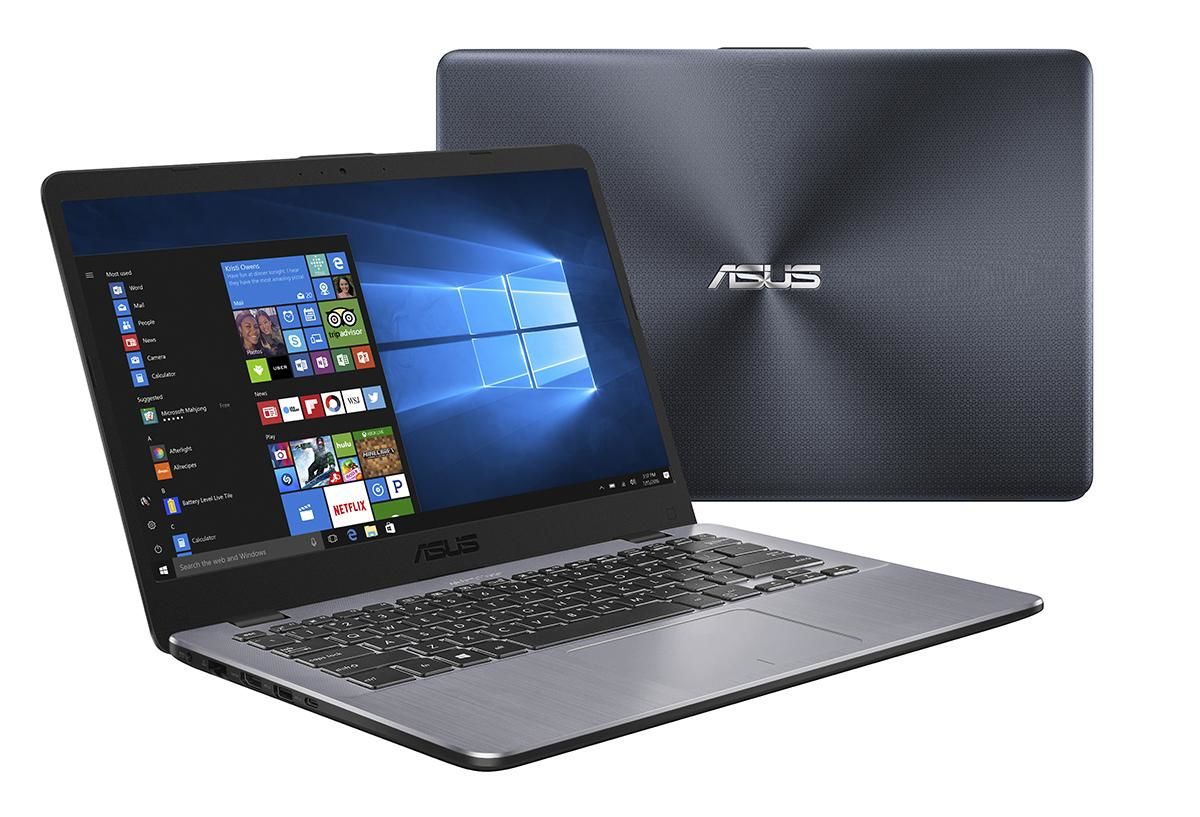
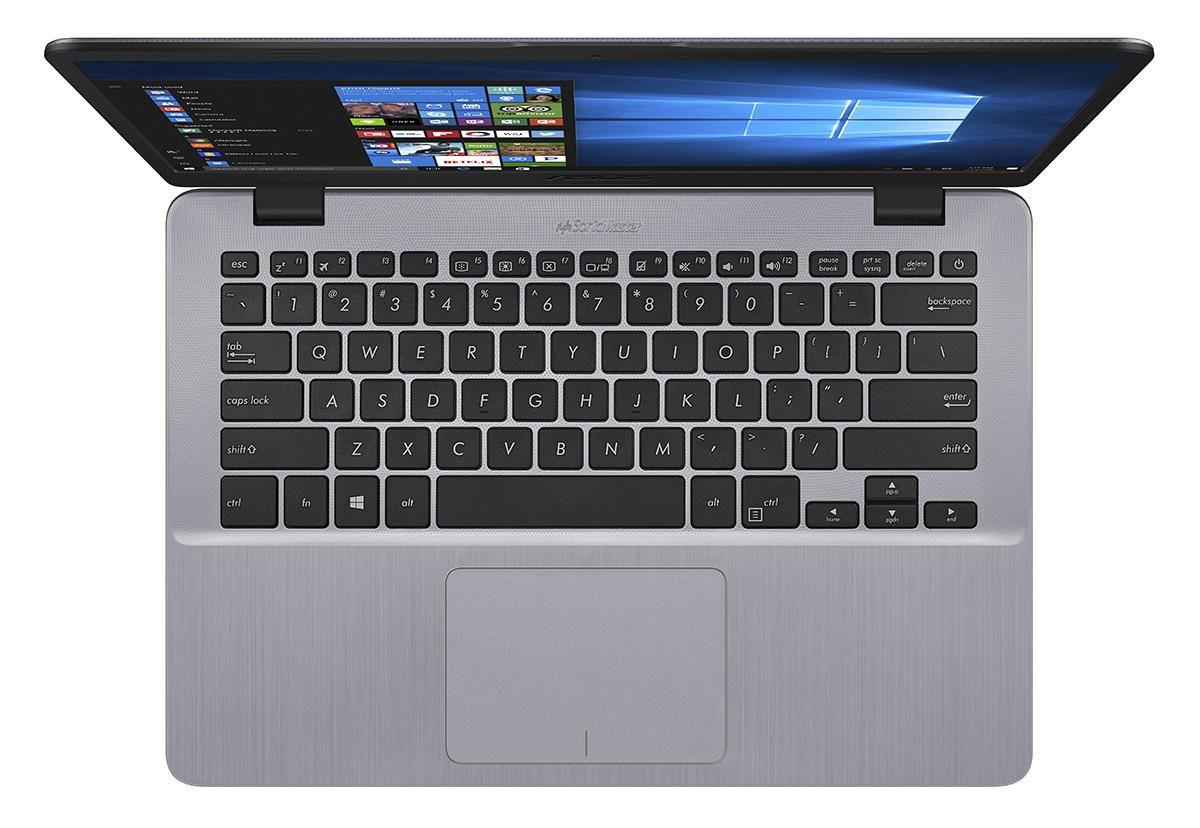
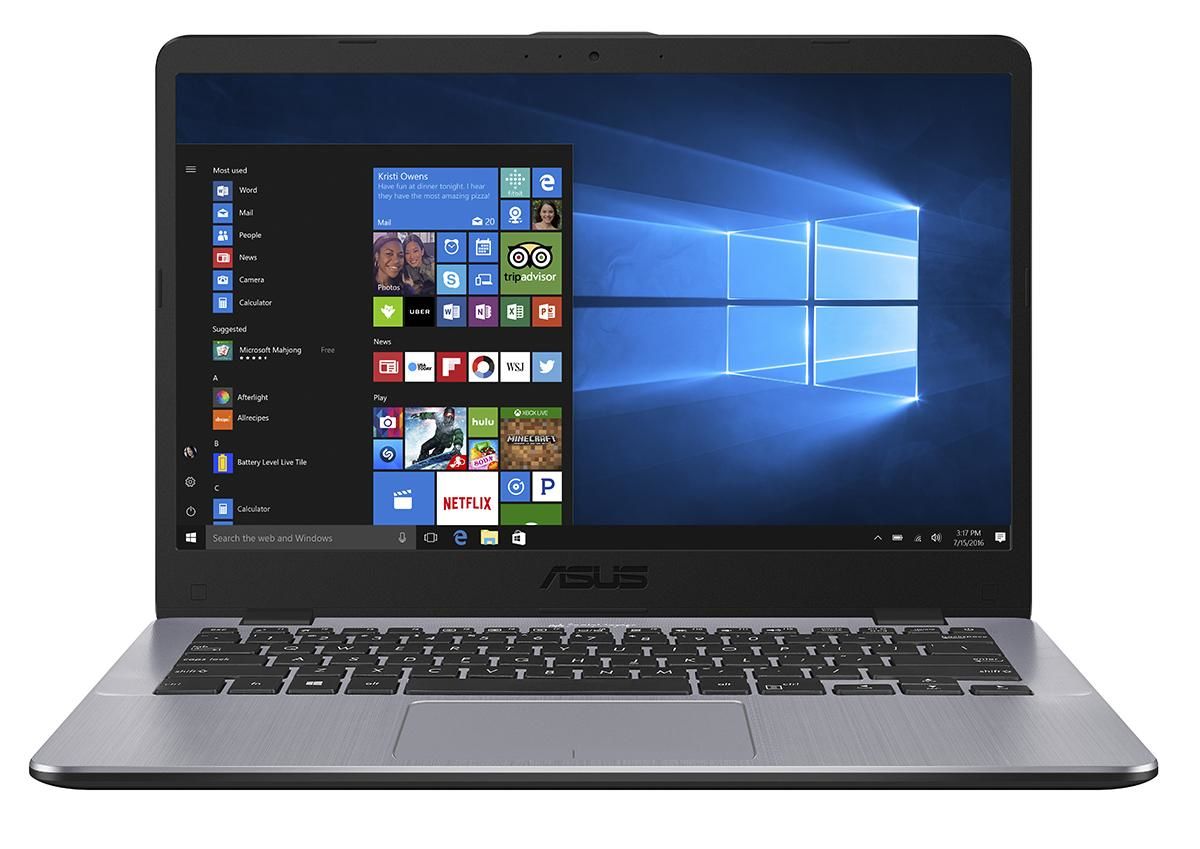
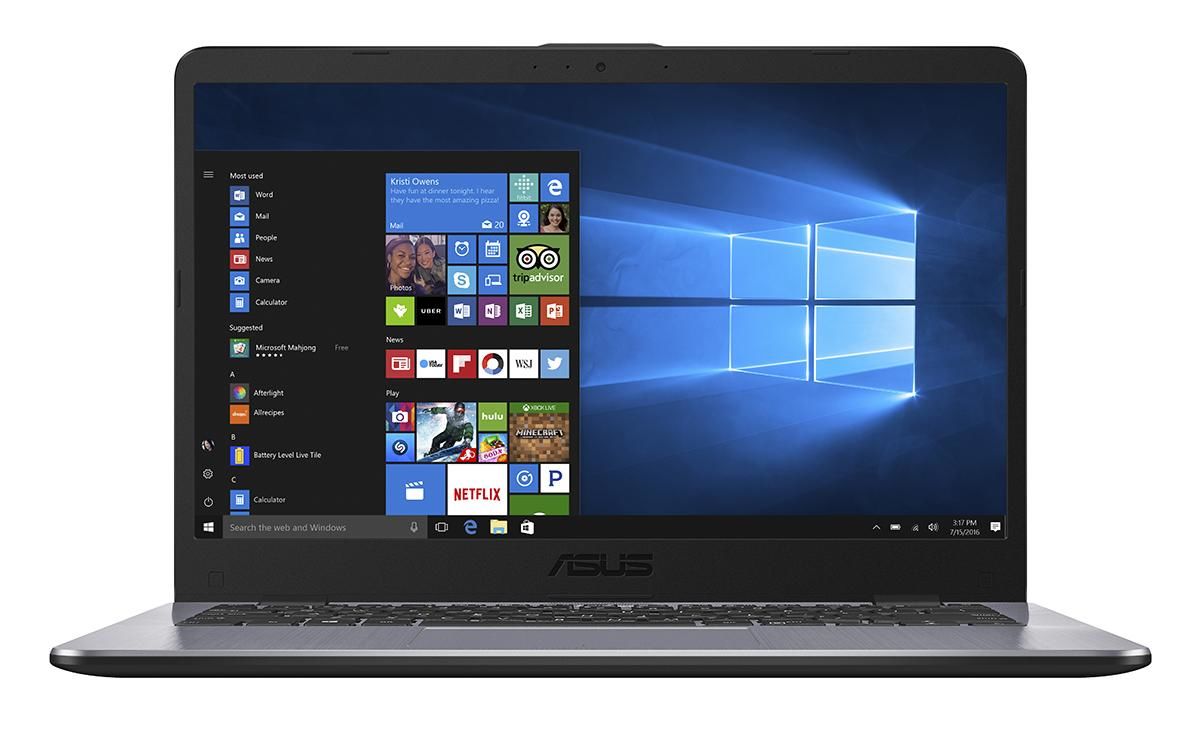
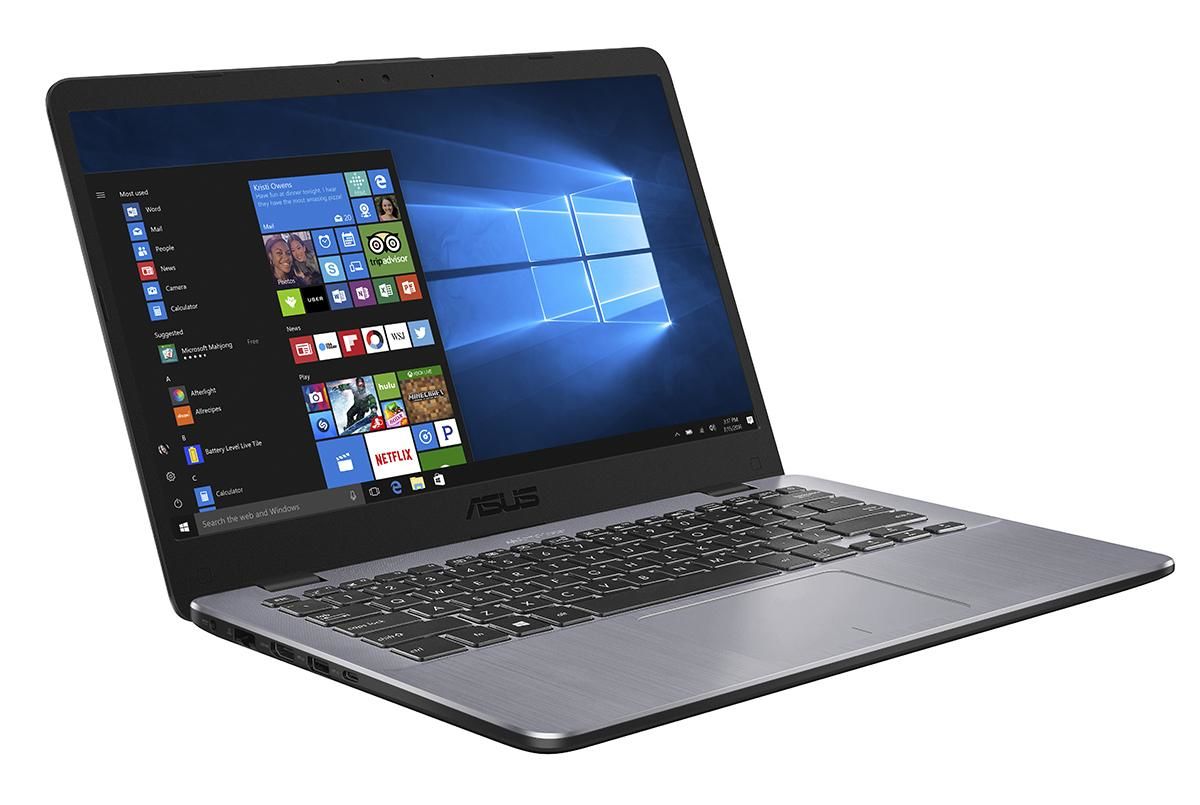
ASUS Vivobook 14 Series X405UA-BV325R RAM upgrade specifications include DDR4-SDRAM memory compatible with the laptop. The device features one SO-DIMM slot for RAM upgrade capacity. Maximum memory supported reaches 24 GB. Memory operates at 2133 MHz frequency. The X405UA-BV325R contains on-board memory combined with one upgradeable SO-DIMM slot configuration. Specifications detail compatible DDR4-SDRAM upgrade options for expanding storage capacity within the Vivobook 14 laptop model.
Memory Upgrade Specifications
| Specification | Value |
|---|---|
| Memory slots | 1x SO-DIMM |
| Form factor | On-board + SO-DIMM |
| Memory type | DDR4-SDRAM |
| Frequency | 2133 MHz |
| Maximum RAM | 24 GB |
| Voltage | 1.2V |
| Number of pins | 260-pin |
| Interface | PC4 |
| PC Speed Rating | PC4-2133 (PC4-17064) |
| Bandwidth | 17.1 GB/s |
| Laptop Release date | 04 October 2017 |
Additional Notes
- The presence of on board memory indicates that 8 GB is permanently soldered to the motherboard to reach the stated 24 GB maximum capacity when paired with a 16 GB module in the single expansion slot.
- Dual channel memory performance only occurs on the capacity matched portion of the RAM resulting in asynchronous throughput if the expansion module exceeds the size of the soldered memory.
- System memory speed is capped by the 2133 MHz soldered chips even if a higher frequency 2400 MHz or 3200 MHz SO DIMM is installed in the expansion slot.
- Memory upgrades require a specific low voltage DDR4 specification to ensure compatibility with the existing power delivery system of the motherboard.
- The single slot configuration prevents future incremental upgrades beyond the initial expansion without discarding the previous module.
- Hardware latency is determined by the slowest module in the system which often forces the expansion RAM to run at suboptimal timings to match the on board memory controller.
- Physical access to the SO DIMM slot typically requires the removal of the entire base panel and internal shielding which may impact thermal pad contact for nearby components.
- Integrated graphics performance scales directly with total bandwidth meaning the transition to an asymmetrical memory configuration may result in slight frame rate fluctuations in graphical workloads.