ASUS Vivobook X405UA-EB585T RAM upgrade specifications
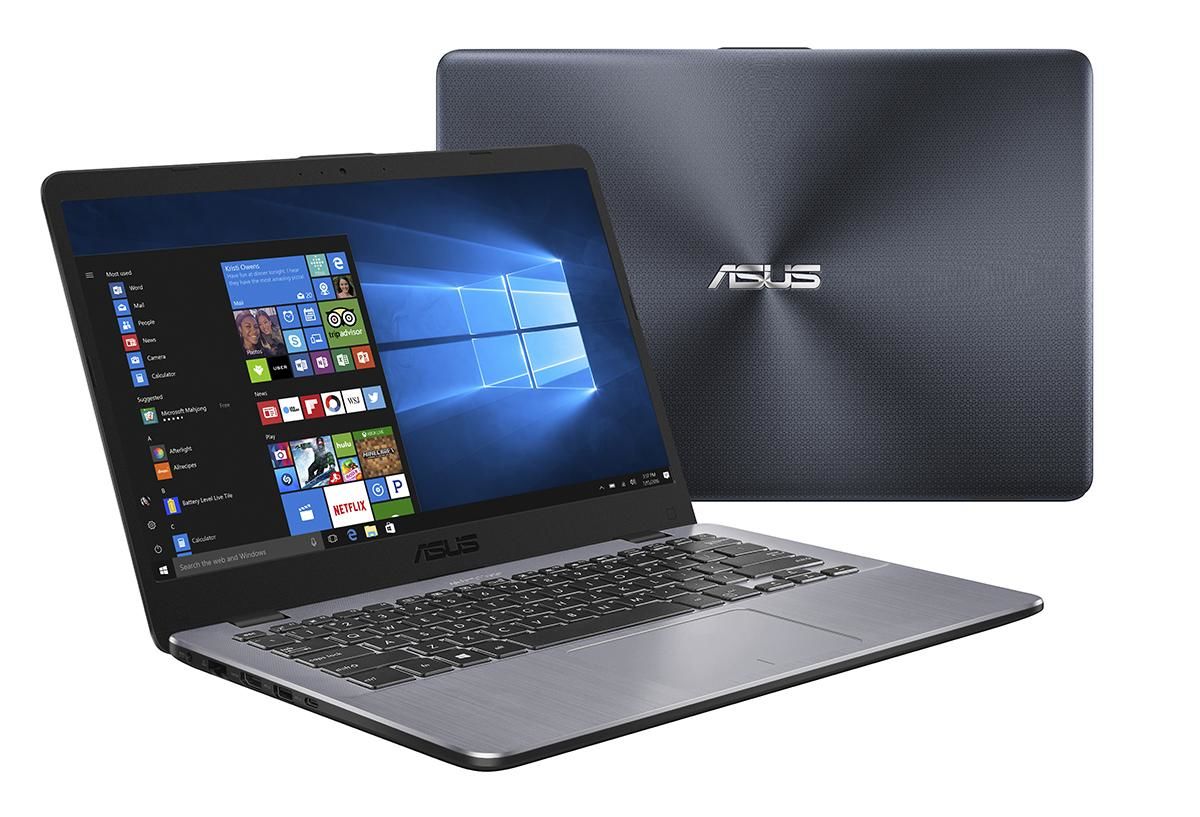
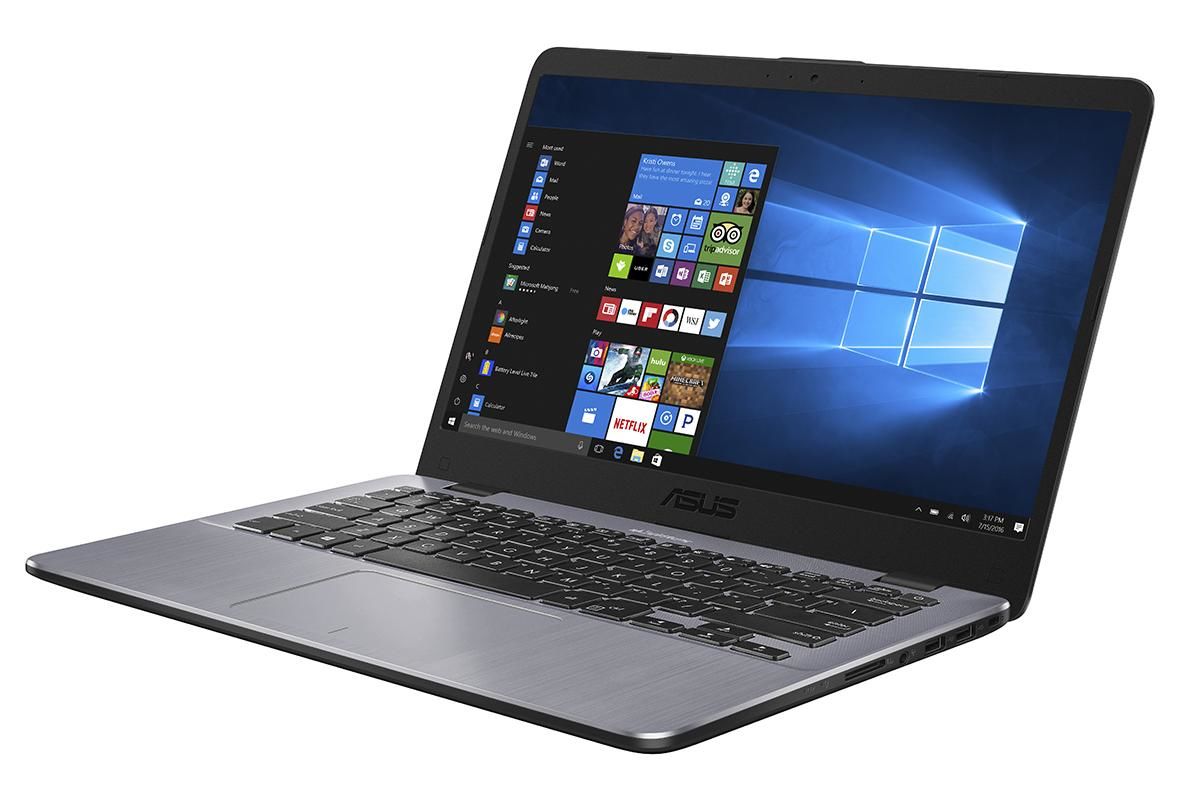
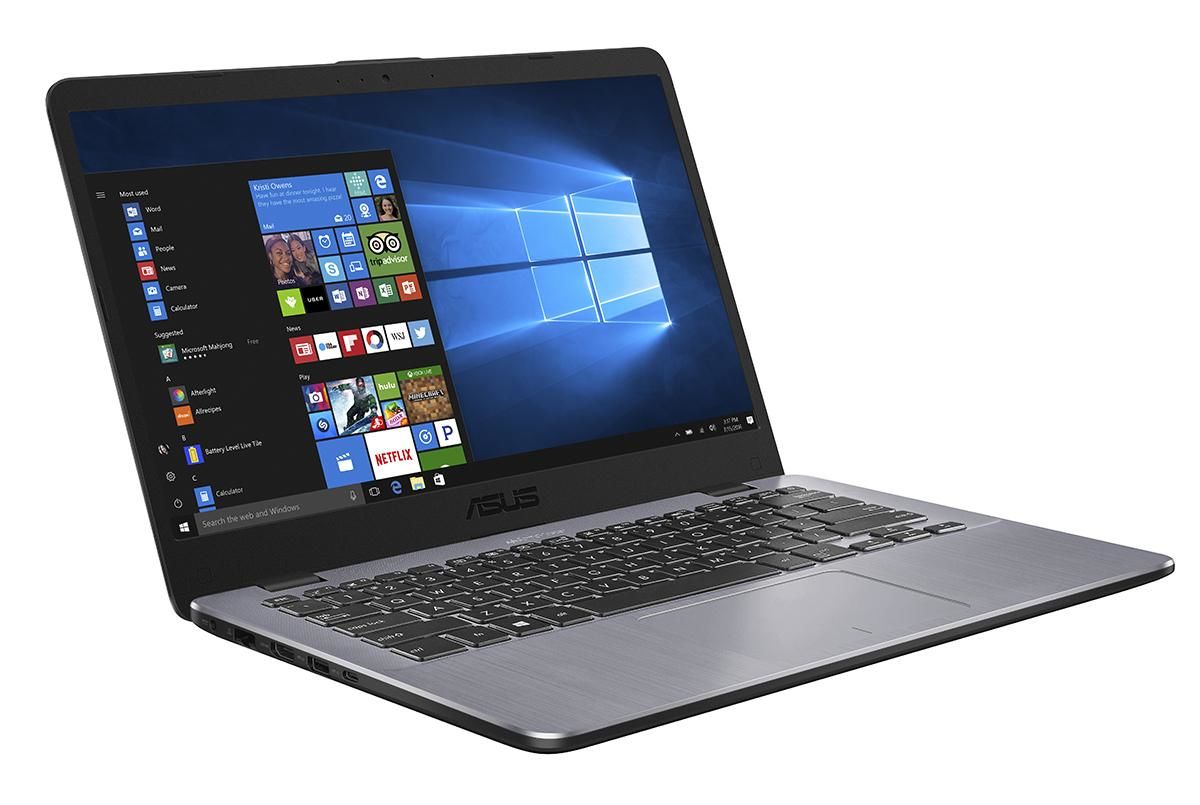
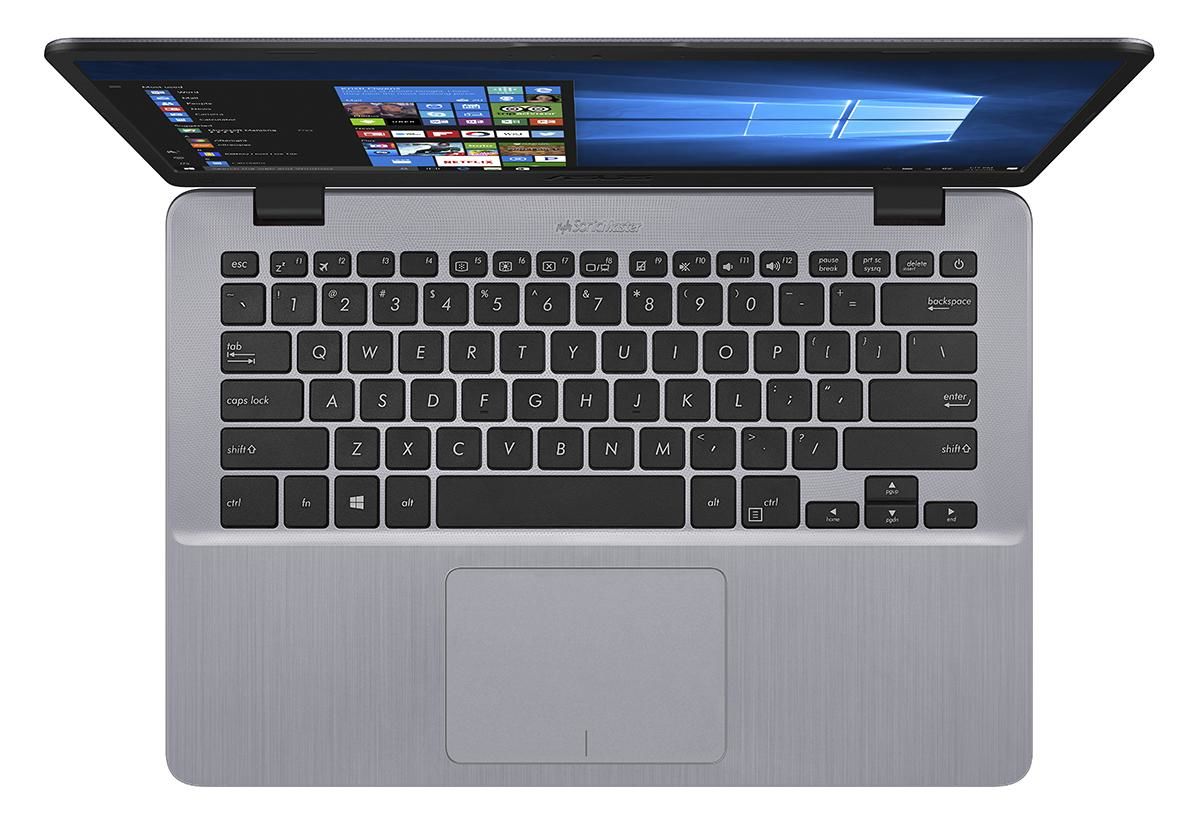
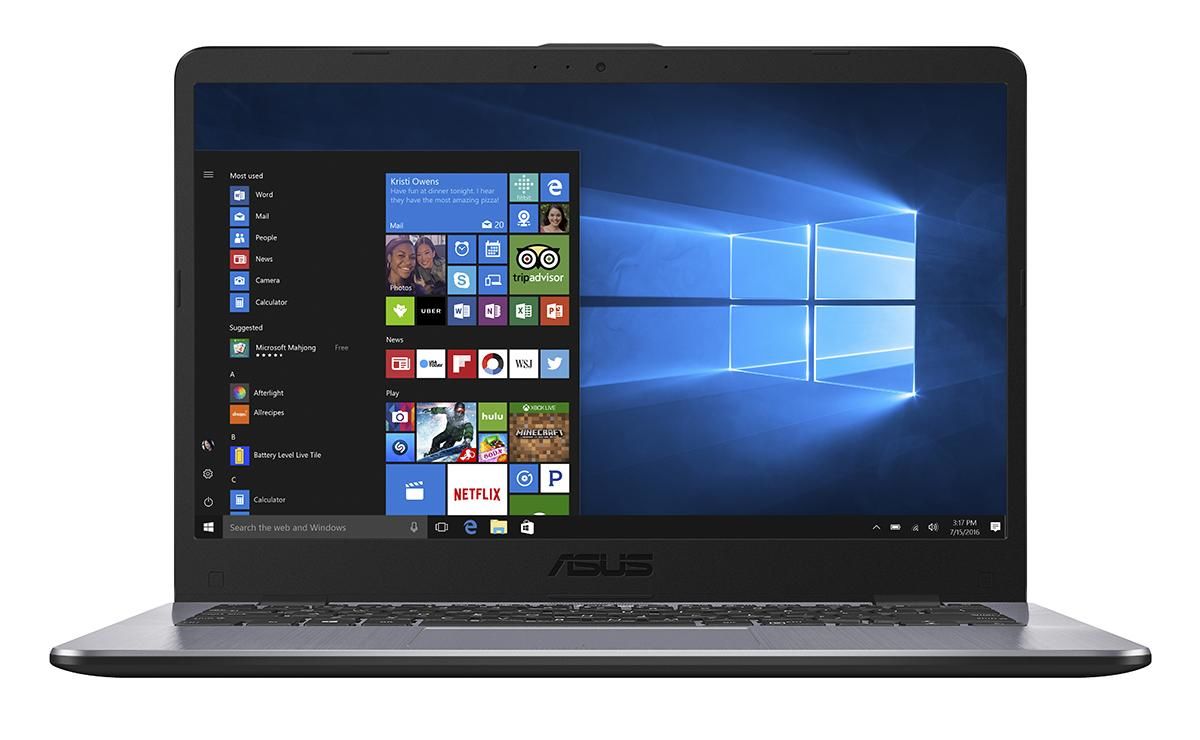
ASUS Vivobook 14 Series X405UA-EB585T features DDR4-SDRAM memory with 1x SO-DIMM slot available for upgrade. The laptop contains on-board memory paired with one SO-DIMM slot for maximum RAM capacity of 24 GB. Memory operates at 2133 MHz frequency. Compatible memory upgrades utilize SO-DIMM form factor specifications. The single memory slot supports DDR4-SDRAM modules, enabling users to expand total system memory capacity up to the maximum supported 24 GB configuration for this ASUS model.
Memory Upgrade Specifications
| Specification | Value |
|---|---|
| Memory slots | 1x SO-DIMM |
| Form factor | On-board + SO-DIMM |
| Memory type | DDR4-SDRAM |
| Frequency | 2133 MHz |
| Maximum RAM | 24 GB |
| Voltage | 1.2V |
| Number of pins | 260-pin |
| Interface | PC4 |
| PC Speed Rating | PC4-2133 (PC4-17064) |
| Bandwidth | 17.1 GB/s |
| Laptop Release date | 05 October 2017 |
Additional Notes
- The on-board memory configuration cannot be removed or replaced, limiting future upgrade flexibility to the single SO-DIMM slot only.
- Maximum system capacity of 24 GB indicates the presence of soldered 8 GB RAM, as standard configurations pair 8 GB on-board with a 16 GB SO-DIMM module to reach the ceiling.
- The 2133 MHz frequency ceiling applies to all installed modules regardless of their rated speed, meaning higher frequency modules will downclock to match the system specification.
- Single-channel memory architecture remains in effect even when both on-board and SO-DIMM slots are populated, as this platform lacks dual-channel support infrastructure.
- The SO-DIMM slot requires DDR4 modules in 260-pin configuration, incompatible with desktop 288-pin DDR4 or older DDR3L SO-DIMM standards.
- RAM replacement qualifies as a user-serviceable upgrade path under most warranty terms, provided the bottom panel removal does not break manufacturer seals or damage internal connectors.
- System bandwidth peaks at 17 GB/s theoretical throughput due to single-channel limitation, creating potential bottlenecks in memory-intensive tasks compared to dual-channel configurations.
- Installing non-matching capacity modules (different from the on-board amount) will not enable flex mode or asymmetric dual-channel operation on this platform.
- The 1x SO-DIMM specification requires complete module removal before installing a replacement, as no secondary slot exists for temporary dual-module configuration during testing.
- Memory timing compatibility defaults to JEDEC standard specifications, with no XMP or overclocking profile support available in the BIOS firmware.