ASUS Vivobook X412FA-EB487R RAM upgrade specifications




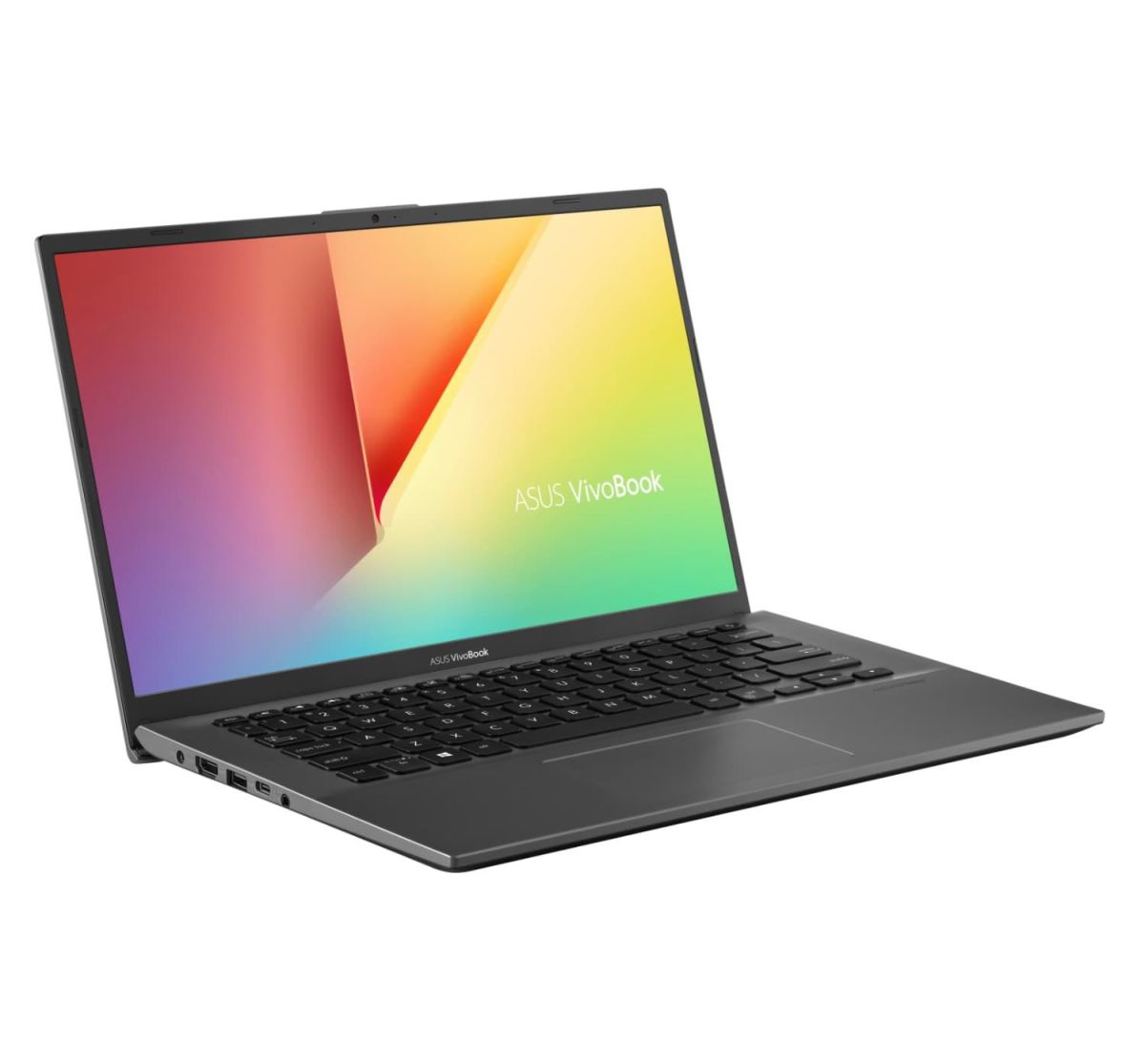
ASUS Vivobook 14 Series X412FA-EB487R laptop RAM upgrade specifications include DDR4-SDRAM memory compatible with one SO-DIMM slot. Maximum RAM capacity reaches 12 GB through upgrade configurations. Memory operates at 2400 MHz frequency. Upgrade slot accommodates additional RAM modules for expanding system memory beyond on-board memory configuration. Compatible DDR4-SDRAM modules enable memory expansion on this specific ASUS X412FA-EB487R model.
Memory Upgrade Specifications
| Specification | Value |
|---|---|
| Memory slots | 1x SO-DIMM |
| Form factor | On-board + SO-DIMM |
| Memory type | DDR4-SDRAM |
| Frequency | 2400 MHz |
| Maximum RAM | 12 GB |
| Voltage | 1.2V |
| Number of pins | 260-pin |
| Interface | PC4 |
| PC Speed Rating | PC4-2400 (PC4-19200) |
| Bandwidth | 19.2 GB/s |
| Laptop Release date | 21 September 2019 |
Additional Notes
- The ASUS Vivobook X412FA-EB487R contains 8 GB soldered to the motherboard, leaving only 1 SO-DIMM slot available for expansion, which caps total capacity at 12 GB rather than allowing independent dual-channel configuration.
- DDR4-2400 MHz memory operates at a lower frequency than standard DDR4-2666 or DDR4-3200 modules, so purchasing faster aftermarket SO-DIMM modules will downclock to 2400 MHz, eliminating any performance advantage from higher-speed components.
- The single slot constraint means the system cannot achieve symmetric dual-channel memory architecture; the soldered 8 GB and any added SO-DIMM will run in asymmetric dual-channel mode, resulting in marginal bandwidth reduction compared to matched pairs.
- Installation of the SO-DIMM typically requires keyboard or palm rest removal and access to an internal compartment, making this a user-serviceable upgrade but one that voids warranty coverage on components disturbed during disassembly unless performed by authorized service centers.
- Maximum addressable RAM of 12 GB establishes a hard performance ceiling for multitasking workloads; applications requiring sustained allocation above this threshold will force memory compression and disk paging, degrading responsiveness regardless of processor capability.
- The soldered majority of the memory subsystem means replacement of the fixed 8 GB module requires motherboard-level service, making hardware faults in that segment a total-system repair rather than isolated component replacement.