ASUS Vivobook X412FA-EB719T RAM upgrade specifications
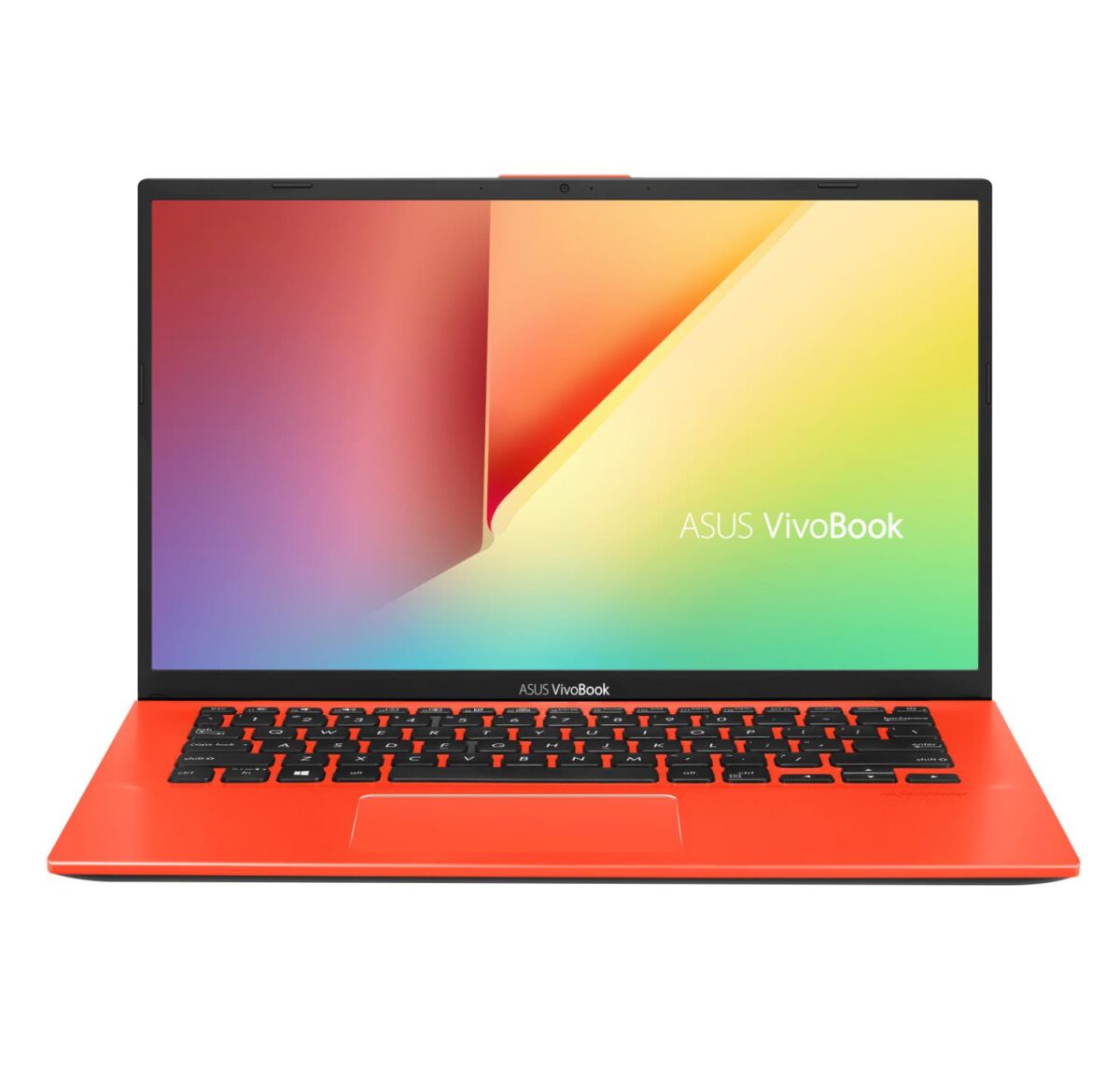
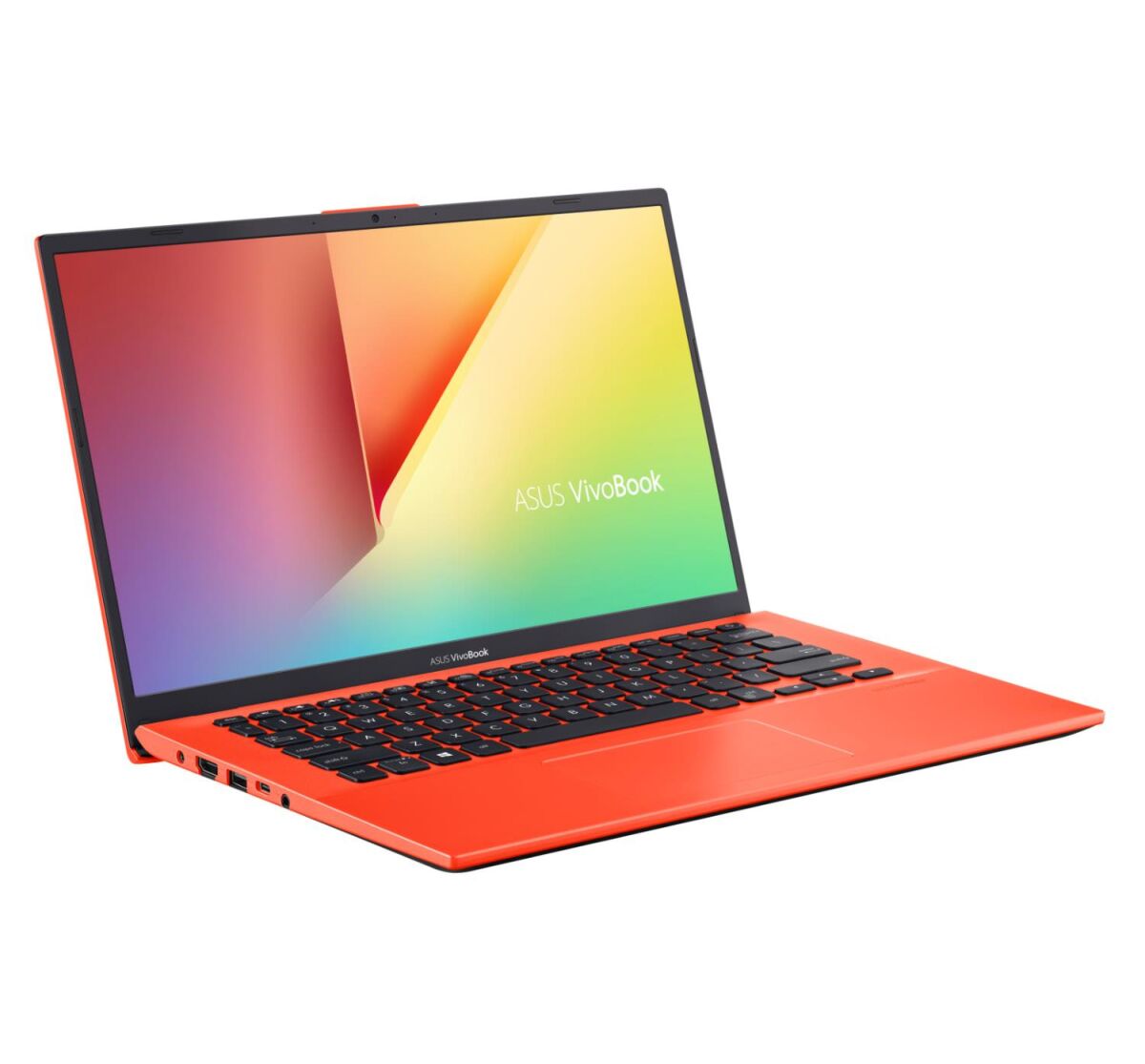
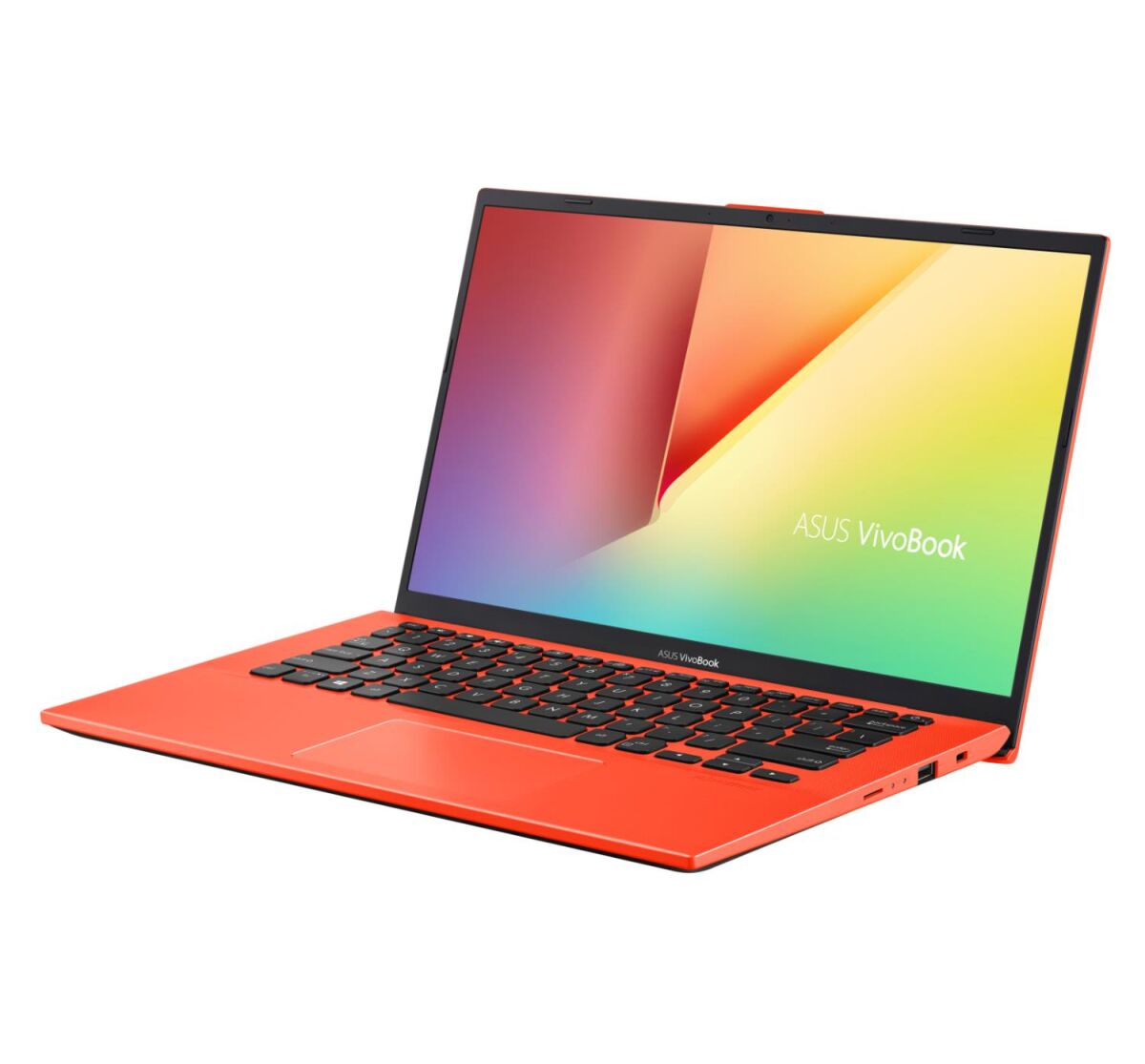
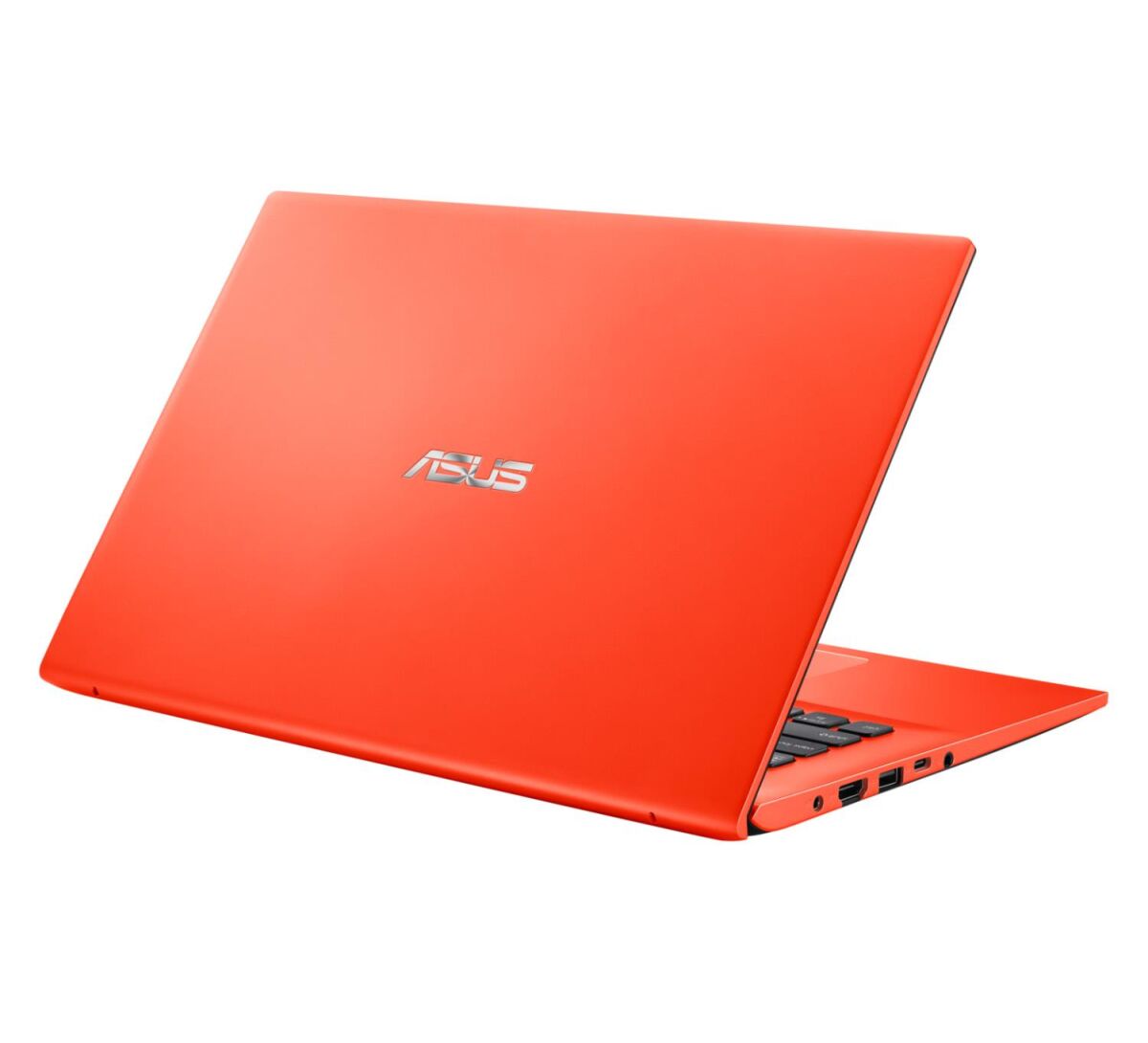

ASUS Vivobook 14 Series X412FA-EB719T laptop memory specifications support DDR4-SDRAM upgrade configuration. System includes one SO-DIMM slot for RAM expansion, with maximum compatible capacity of 12 GB total memory. Memory operates at 2400 MHz frequency. Upgrade slots accommodate standard SO-DIMM form factor modules. Memory configuration combines on-board integrated memory with one expandable SO-DIMM slot for enhanced system performance specifications.
Memory Upgrade Specifications
| Specification | Value |
|---|---|
| Memory slots | 1x SO-DIMM |
| Form factor | On-board + SO-DIMM |
| Memory type | DDR4-SDRAM |
| Frequency | 2400 MHz |
| Maximum RAM | 12 GB |
| Voltage | 1.2V |
| Number of pins | 260-pin |
| Interface | PC4 |
| PC Speed Rating | PC4-2400 (PC4-19200) |
| Bandwidth | 19.2 GB/s |
| Laptop Release date | 14 May 2020 |
Additional Notes
- The presence of a single expansion slot in the ASUS Vivobook X412FA-EB719T necessitates the removal of the existing module to facilitate any memory increase.
- Dual channel performance remains restricted to the capacity of the soldered memory chips because any capacity exceeding the on board amount will operate in single channel asynchronous mode.
- The fixed on board memory creates a hardware floor that cannot be bypassed or disabled if the soldered chips fail outside of the warranty period.
- Total system memory throughput remains limited to the 2400 MHz frequency even if a higher speed 3200 MHz module is installed as the system will downclock the faster component to maintain stability.
- Latency disparities between the soldered memory and an aftermarket SO-DIMM may cause the motherboard to default to the slowest common denominator for timing parameters.
- Physical installation is limited to standard 260 pin modules whereas high density non binary sticks are likely incompatible with the 12 GB addressable ceiling of the internal controller.
- Airflow around the expansion slot is critical during sustained workloads because the proximity of the soldered memory and the SO-DIMM slot creates a localized heat zone on the motherboard PCB.