ASUS Vivobook X412FA-EK107T RAM upgrade specifications
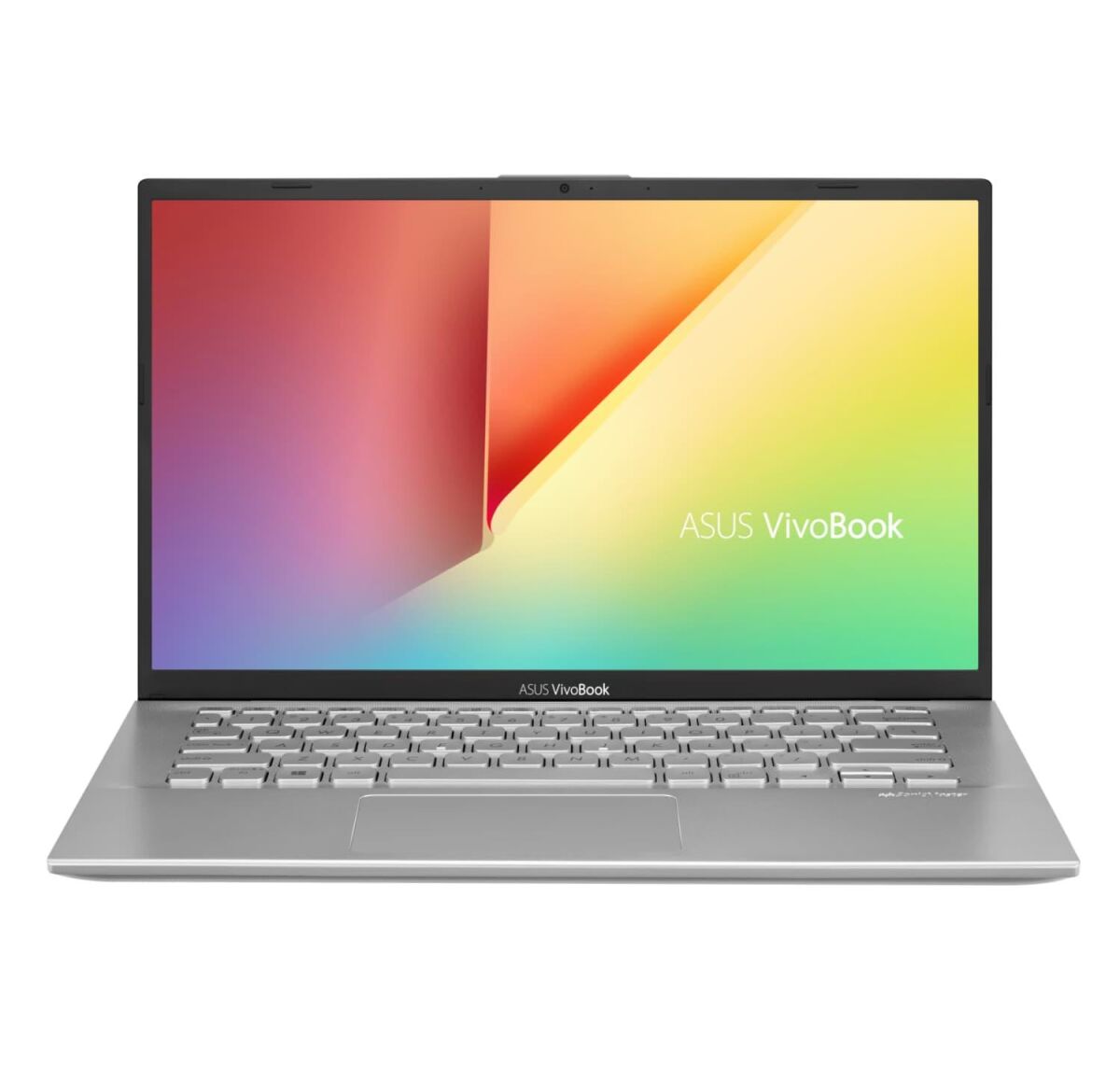
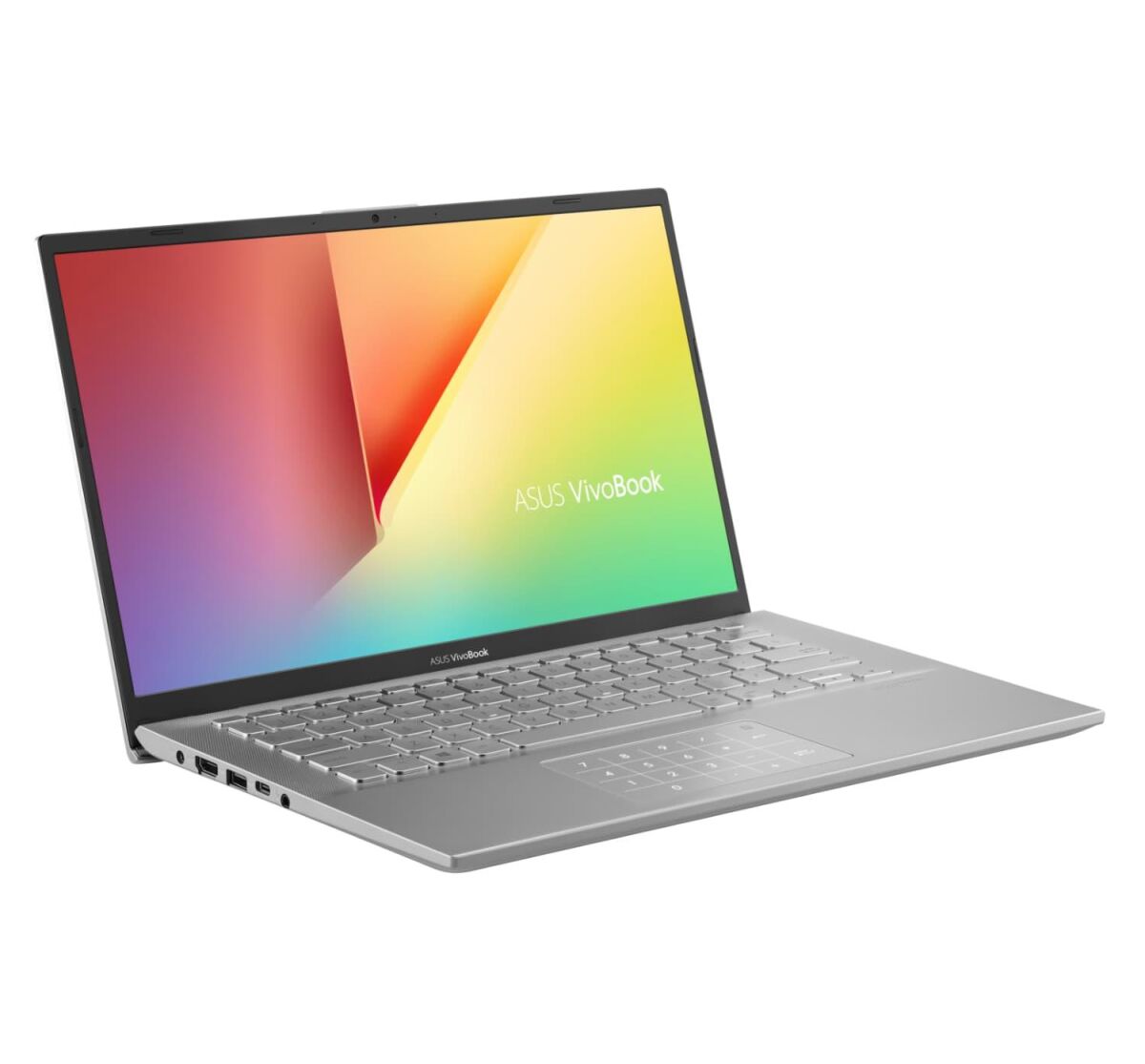
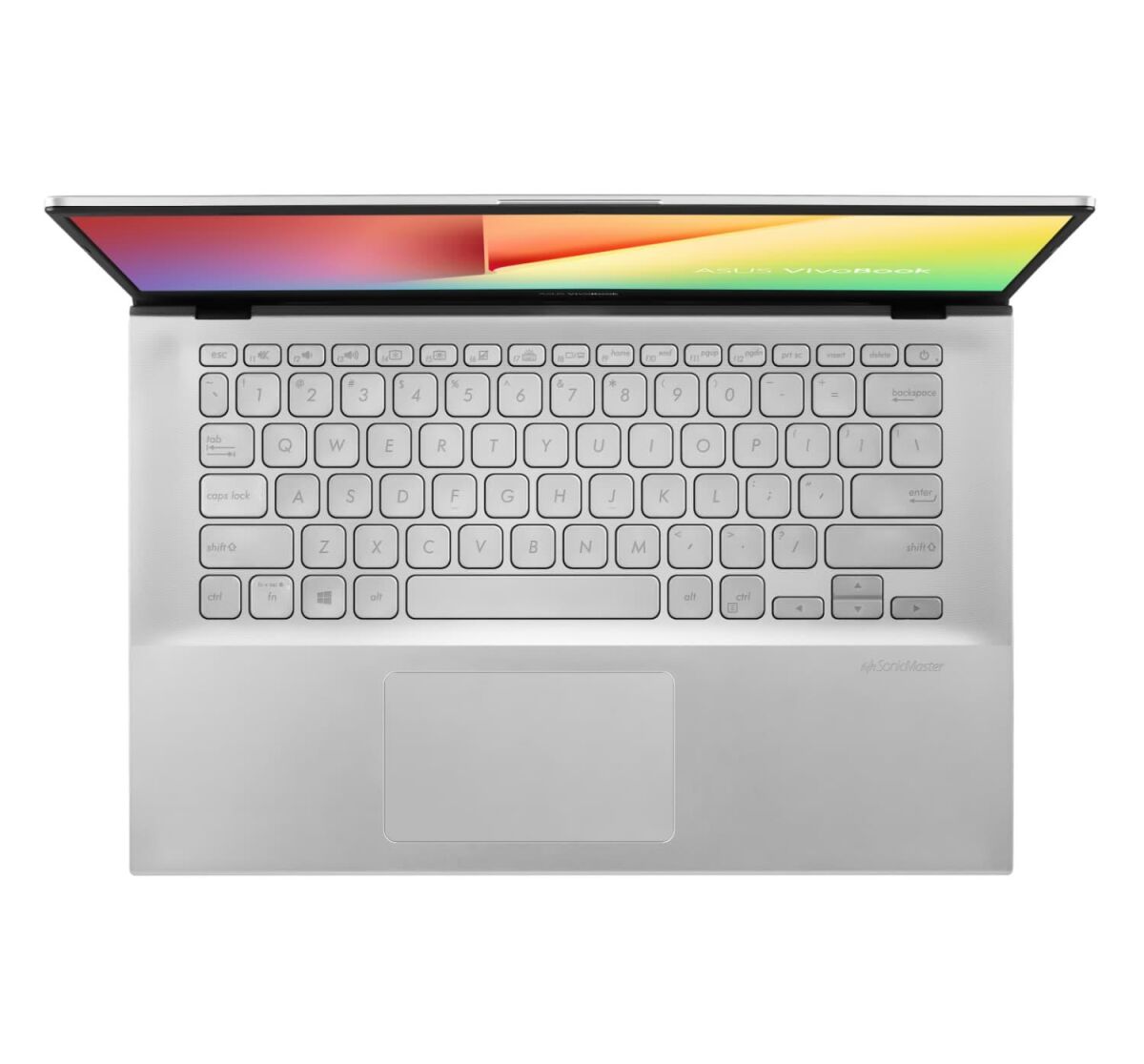
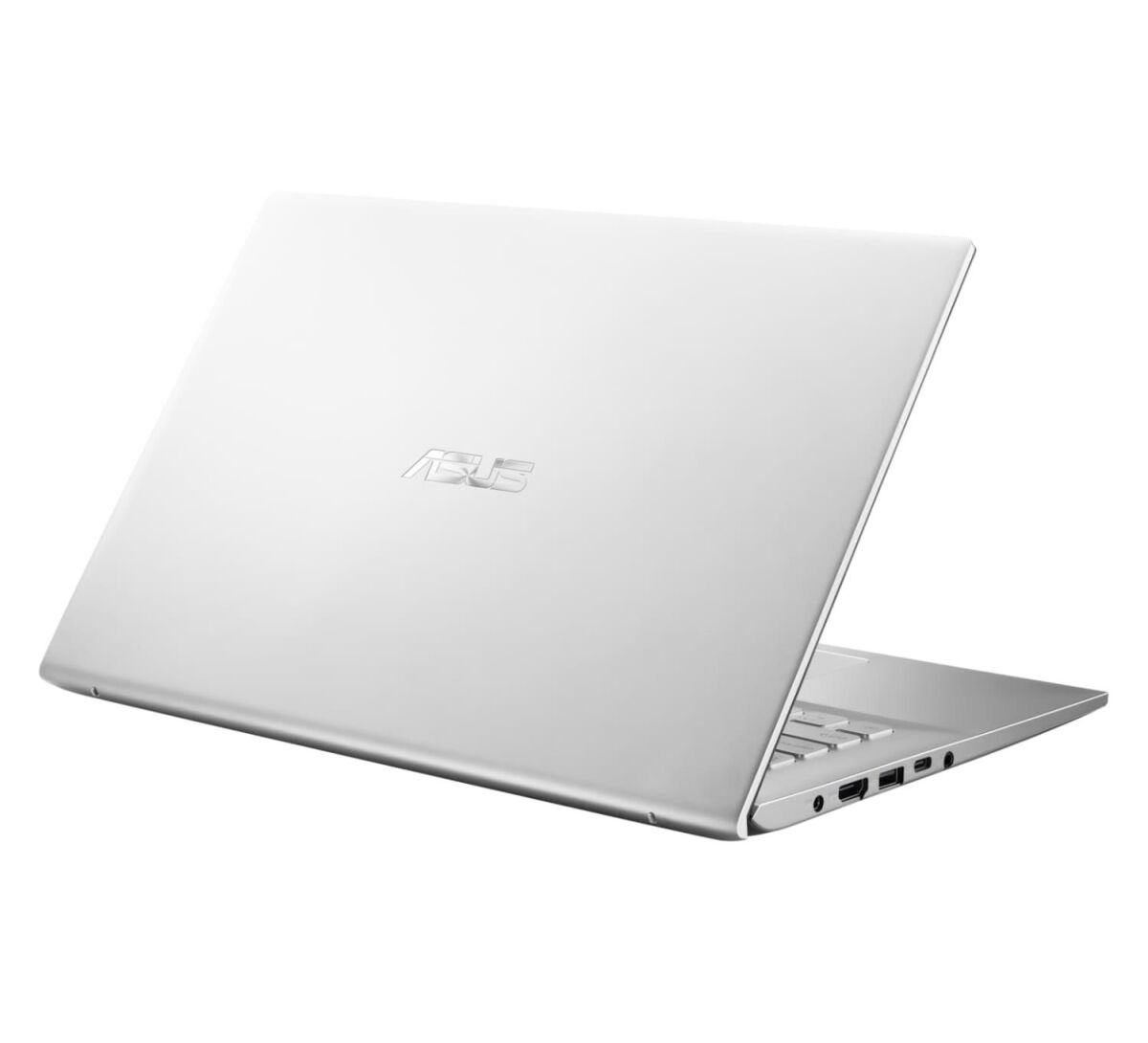
ASUS Vivobook 14 Series X412FA-EK107T memory upgrade specifications: Laptop features DDR4-SDRAM memory configuration with 1x SO-DIMM slot for RAM expansion. Maximum memory capacity supported reaches 12 GB total. Memory operates at 2400 MHz frequency. Upgrade slot accepts compatible SO-DIMM modules. Memory form factor combines on-board memory with single SO-DIMM slot for expandable RAM capacity. Specifications applicable to X412FA-EK107T model.
Memory Upgrade Specifications
| Specification | Value |
|---|---|
| Memory slots | 1x SO-DIMM |
| Form factor | On-board + SO-DIMM |
| Memory type | DDR4-SDRAM |
| Frequency | 2400 MHz |
| Maximum RAM | 12 GB |
| Voltage | 1.2V |
| Number of pins | 260-pin |
| Interface | PC4 |
| PC Speed Rating | PC4-2400 (PC4-19200) |
| Bandwidth | 19.2 GB/s |
| Laptop Release date | 02 August 2019 |
Additional Notes
- The presence of on board memory indicates that 4 GB of the total capacity is permanently soldered to the motherboard and cannot be replaced or upgraded.
- System memory operates in a dual channel configuration only up to the capacity of the smallest integrated module, meaning asymmetrical RAM pairings will result in partial single channel bandwidth for the remaining memory overhead.
- Physical expansion is restricted to a single available slot, requiring the removal of the existing module to reach the 12 GB maximum threshold on the ASUS Vivobook X412FA-EK107T.
- Installing a module with a frequency higher than 2400 MHz will result in an automatic downclock to match the hardware limitations of the processor and integrated memory controller.
- Memory latency is dictated by the slowest component in the system, forcing any high performance aftermarket SO-DIMM to synchronize with the factory soldered timings.
- Replacing the single removable module does not void the standard manufacturer warranty provided that no physical damage occurs to the internal headers or plastic retention clips during installation.
- Storage of integrated graphics assets occurs within the system RAM, so increasing the capacity directly impacts the frame buffer availability for visual rendering tasks.