ASUS Vivobook X412FA-EK268R RAM upgrade specifications

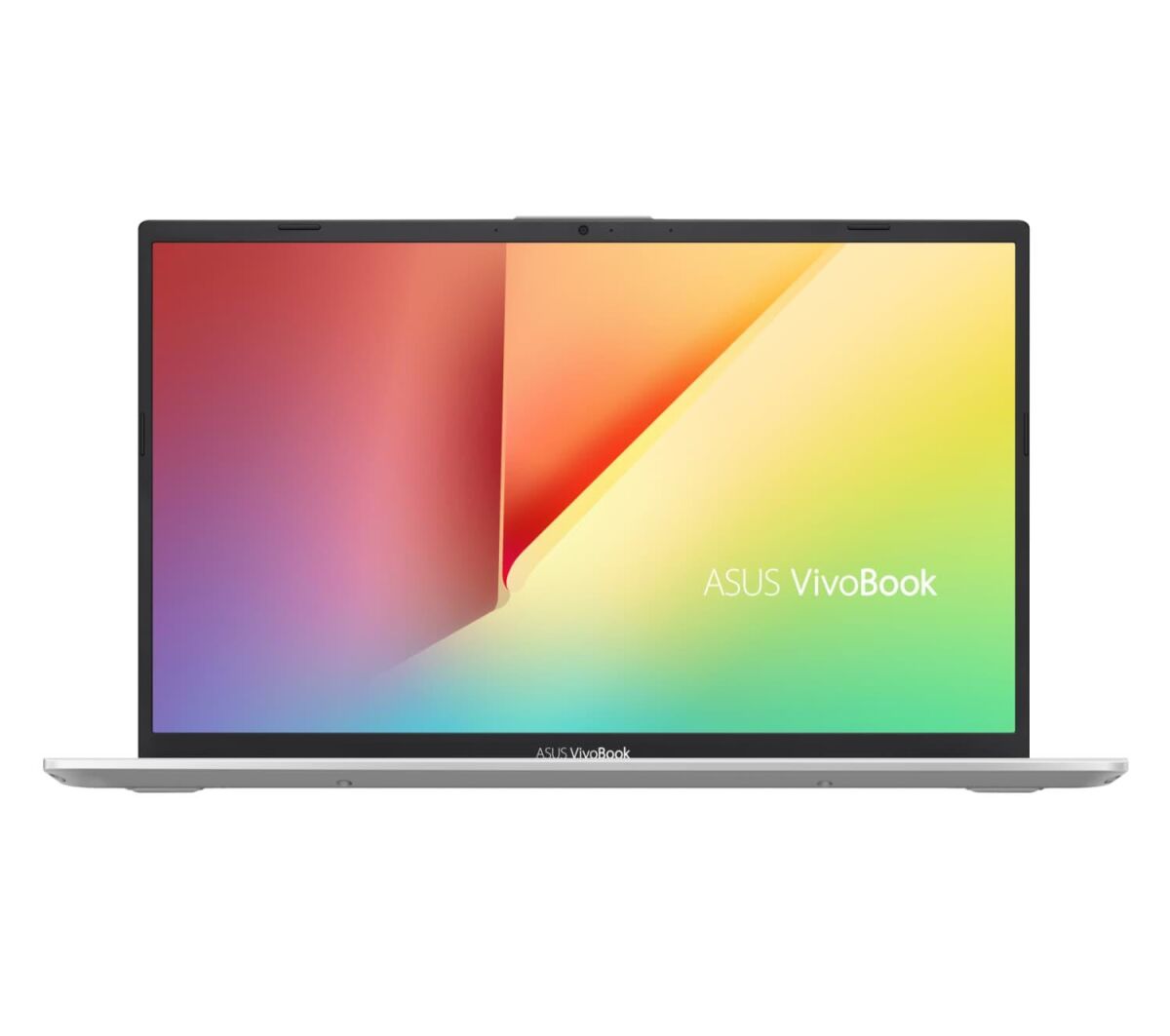
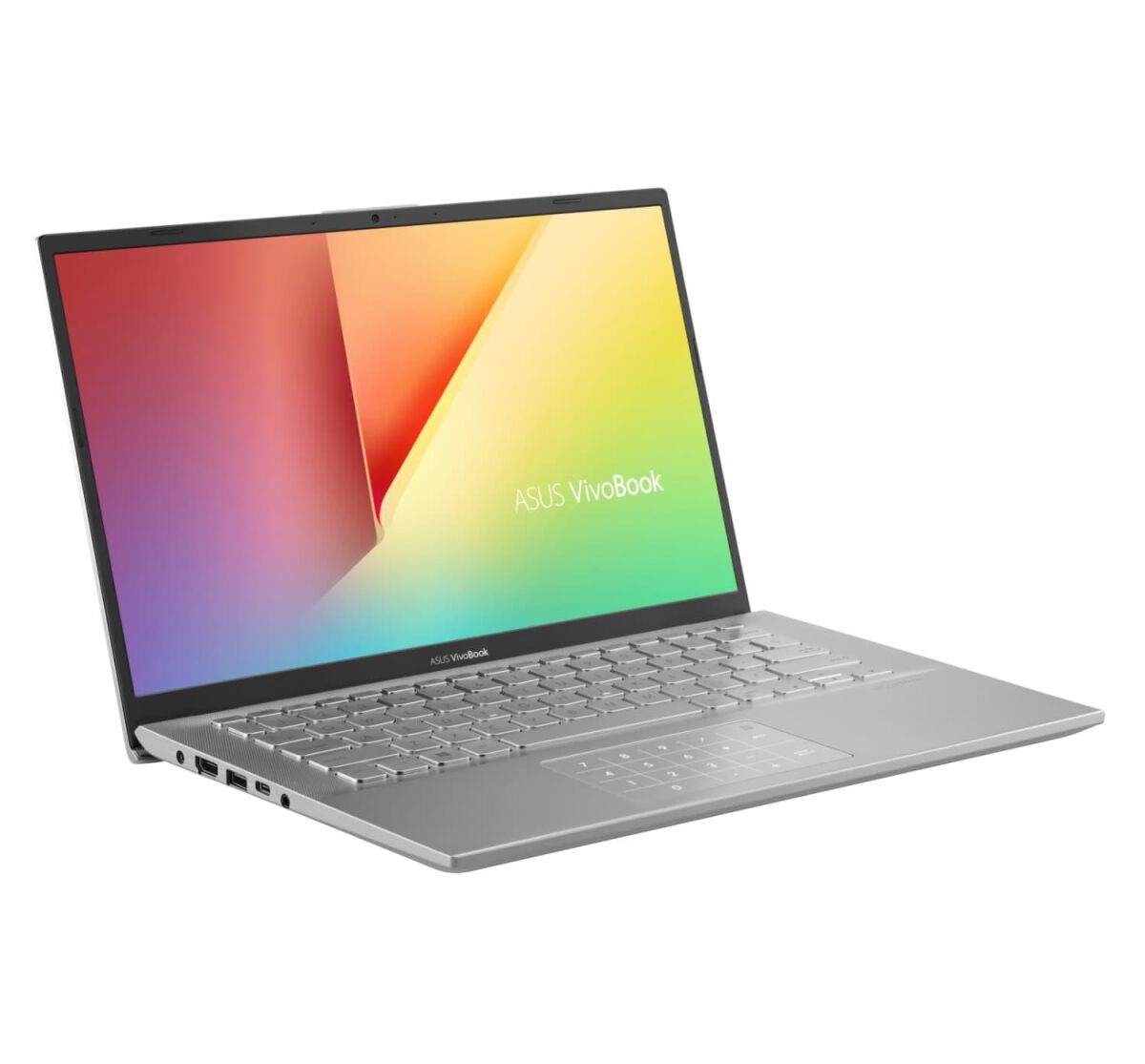
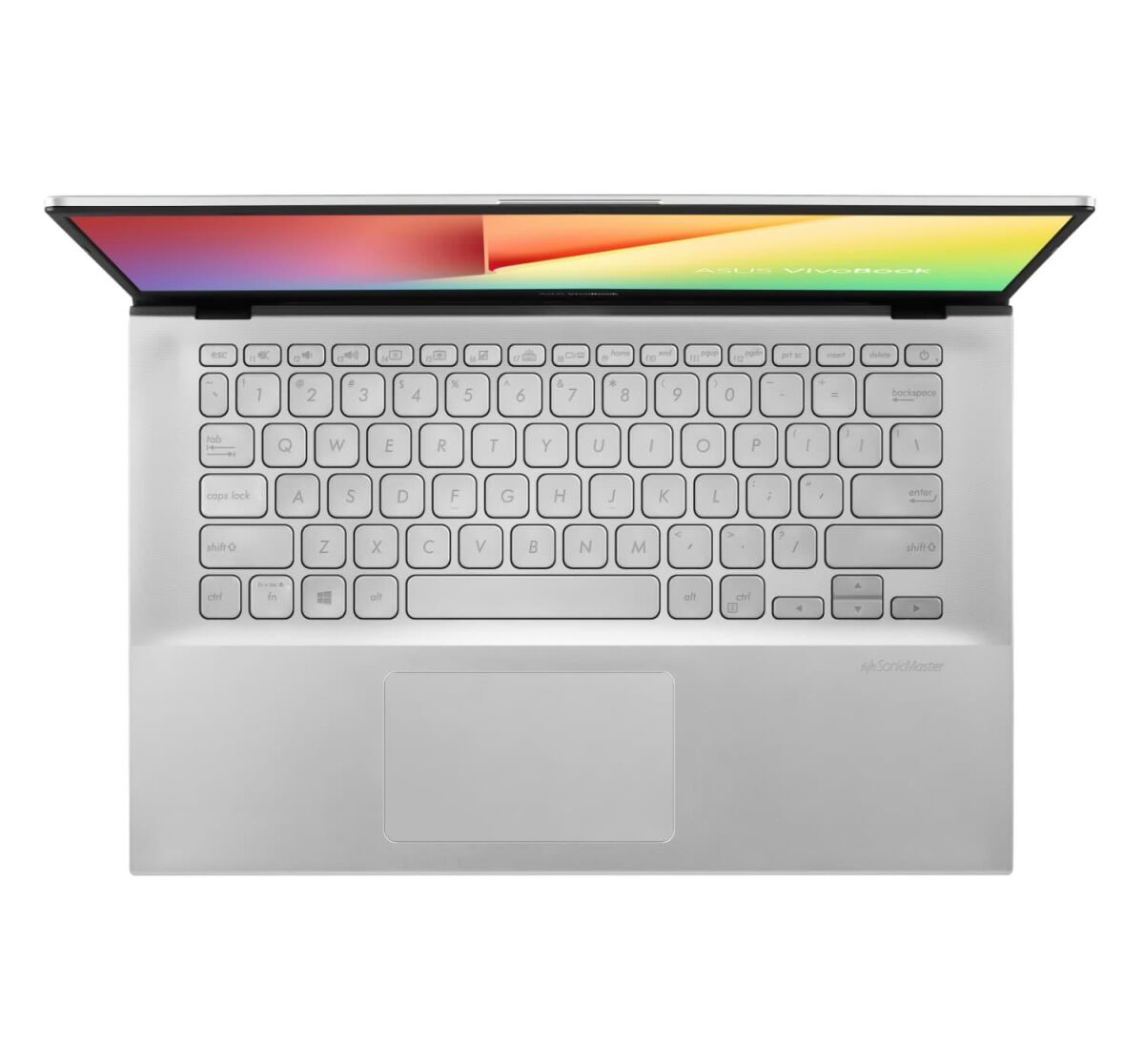

The ASUS Vivobook 14 Series X412FA-EK268R features DDR4-SDRAM memory specifications with one SO-DIMM slot available for upgrade. The laptop contains on-board memory combined with a single removable SO-DIMM slot, supporting maximum RAM capacity of 12 GB total. Memory modules operate at 2400 MHz frequency. Compatible upgrade modules must match DDR4-SDRAM specifications and SO-DIMM form factor for proper installation. Maximum supported capacity represents the total system memory when fully populated across both on-board and removable memory slots.
Memory Upgrade Specifications
| Specification | Value |
|---|---|
| Memory slots | 1x SO-DIMM |
| Form factor | On-board + SO-DIMM |
| Memory type | DDR4-SDRAM |
| Frequency | 2400 MHz |
| Maximum RAM | 12 GB |
| Voltage | 1.2V |
| Number of pins | 260-pin |
| Interface | PC4 |
| PC Speed Rating | PC4-2400 (PC4-19200) |
| Bandwidth | 19.2 GB/s |
| Laptop Release date | 14 May 2020 |
Additional Notes
- The presence of on-board memory means that 4 GB is permanently soldered to the motherboard, leaving the single SO-DIMM slot as the only physical interface for expansion.
- Dual-channel memory performance is restricted to the capacity of the soldered chip, resulting in asynchronous flex mode operation once the total memory exceeds 8 GB.
- Upgrading the ASUS Vivobook X412FA-EK268R requires the removal of the entire bottom chassis cover, which may involve penetrating factory seals and potentially impacting standard warranty terms depending on regional policies.
- The 12 GB ceiling indicates a BIOS-level or hardware limitation that prevents the utilization of 16 GB or 32 GB modules despite the technical availability of such DDR4 capacities.
- Installing a module with a frequency higher than 2400 MHz will result in an automatic downclocking to match the hard-coded speed of the integrated on-board memory.
- Storage of critical memory components directly on the PCB increases the risk of total system failure if the soldered RAM develops a hardware fault, as it cannot be replaced like the SO-DIMM module.
- System latency is predetermined by the slowest timings between the fixed internal memory and the added expansion card, typically defaulting to the highest common JEDEC profile.