ASUS Vivobook X412UA-EK255T RAM upgrade specifications




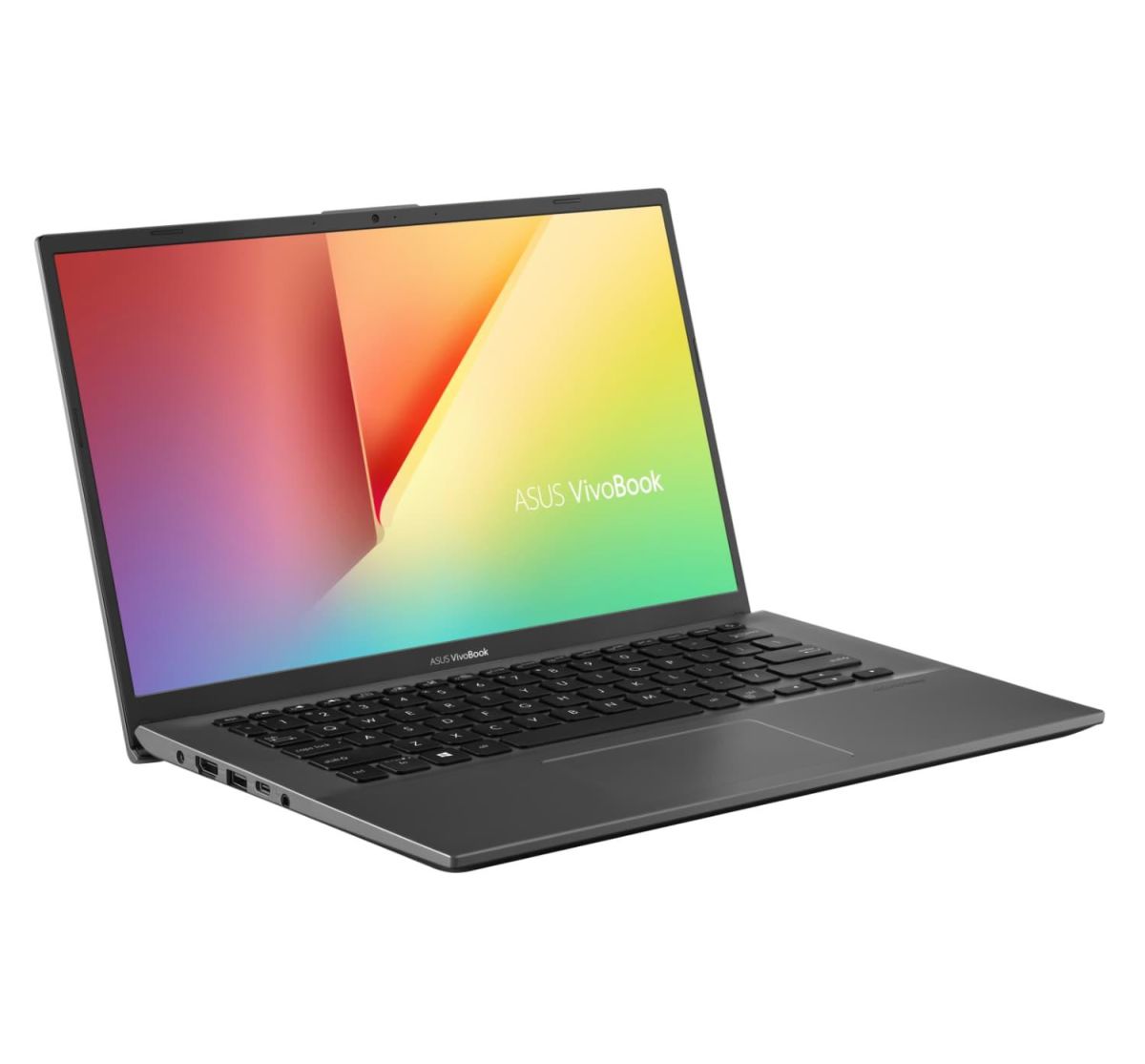
The ASUS Vivobook 14 Series X412UA-EK255T supports DDR4-SDRAM memory upgrades. The laptop contains one SO-DIMM memory slot compatible with DDR4-2400 MHz modules. Maximum memory capacity reaches 12 GB when upgraded. The system features on-board memory combined with one expandable SO-DIMM slot, allowing users to enhance multitasking performance through compatible RAM upgrades to the specified maximum capacity and frequency specifications.
Memory Upgrade Specifications
| Specification | Value |
|---|---|
| Memory slots | 1x SO-DIMM |
| Form factor | On-board + SO-DIMM |
| Memory type | DDR4-SDRAM |
| Frequency | 2400 MHz |
| Maximum RAM | 12 GB |
| Voltage | 1.2V |
| Number of pins | 260-pin |
| Interface | PC4 |
| PC Speed Rating | PC4-2400 (PC4-19200) |
| Bandwidth | 19.2 GB/s |
| Laptop Release date | 25 March 2020 |
Additional Notes
- The ASUS Vivobook X412UA-EK255T combines soldered RAM with a single expansion slot, preventing complete memory replacement and limiting future flexibility.
- The 12 GB ceiling indicates 4 GB of non-removable onboard memory, restricting the SO-DIMM slot to an 8 GB module maximum regardless of higher capacity availability.
- Installing mismatched module sizes forces the system into asymmetric dual-channel mode, where only the overlapping capacity operates in dual-channel while excess capacity runs in slower single-channel mode.
- Modules rated above 2400 MHz will downclock to match the fixed frequency specification, eliminating any performance benefit from higher-speed purchases.
- The single SO-DIMM configuration prevents memory redundancy, meaning module failure requires professional service to replace soldered components if the onboard memory fails.
- Voltage compatibility requires strict adherence to DDR4 standard 1.2V modules, as the soldered memory cannot accommodate low-voltage or overclocking-oriented variants.
- Physical access typically requires bottom panel removal and potential warranty seal breakage, depending on regional service policies and manufacturing date.
- Mixing manufacturers between the onboard chip and aftermarket SO-DIMM may introduce timing incompatibilities that cause boot failures or system instability despite matching specifications.
- The SO-DIMM slot shares bandwidth with the soldered memory across a single memory controller channel, creating potential throughput limitations under simultaneous intensive workloads.
- CAS latency mismatches between factory-installed and aftermarket modules force the memory controller to adopt the slower timing profile across both components.