ASUS Vivobook X512FA-EJ1504T RAM upgrade specifications
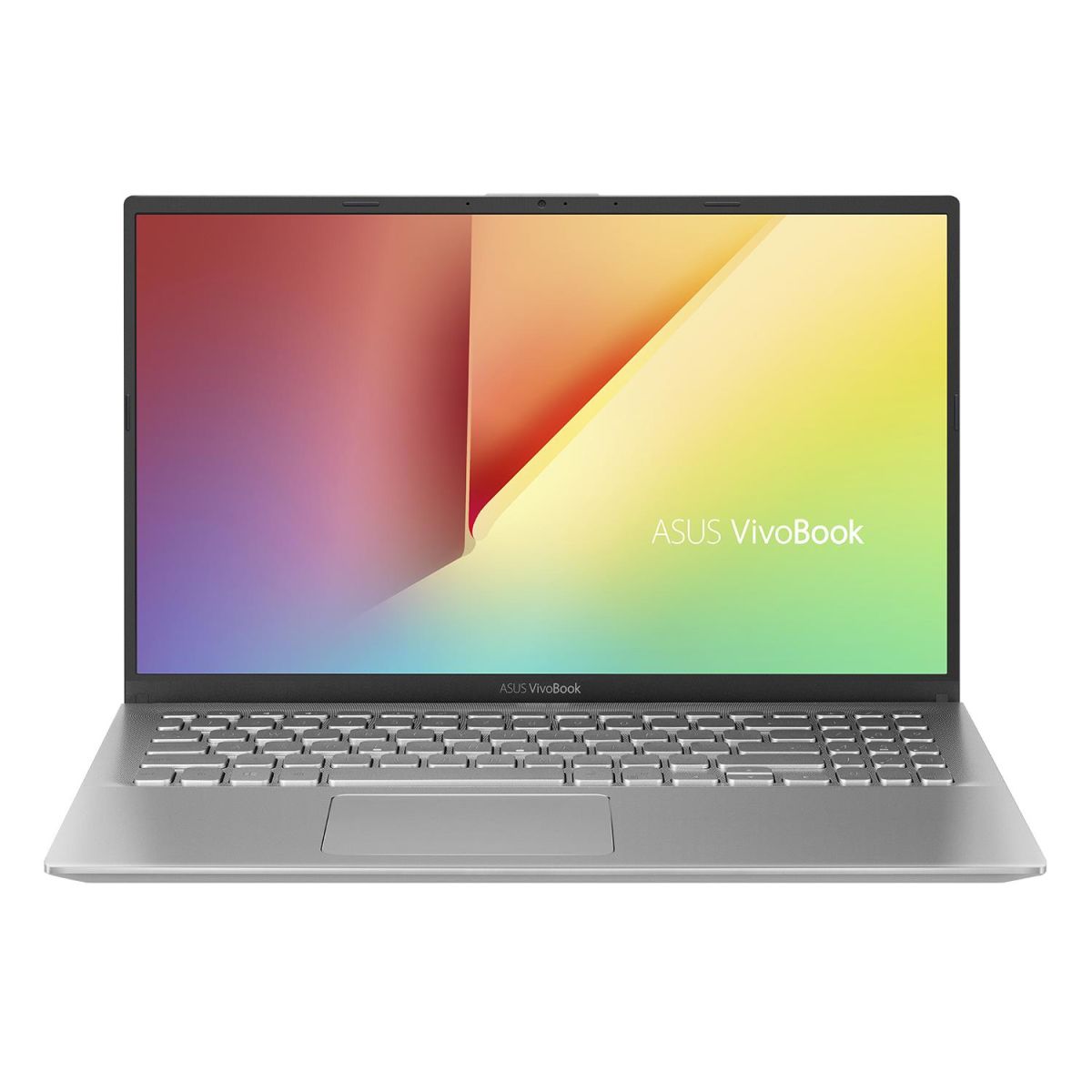
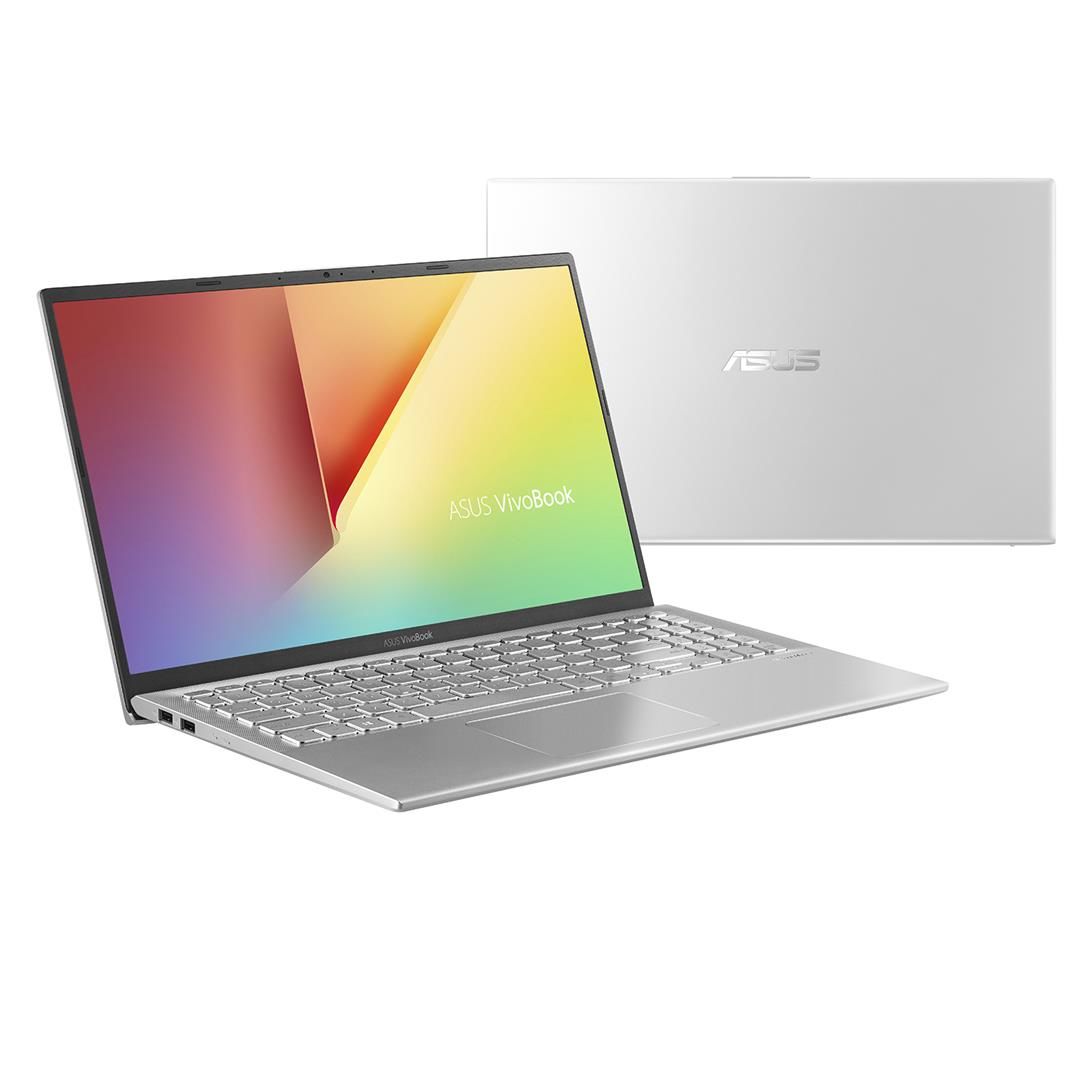
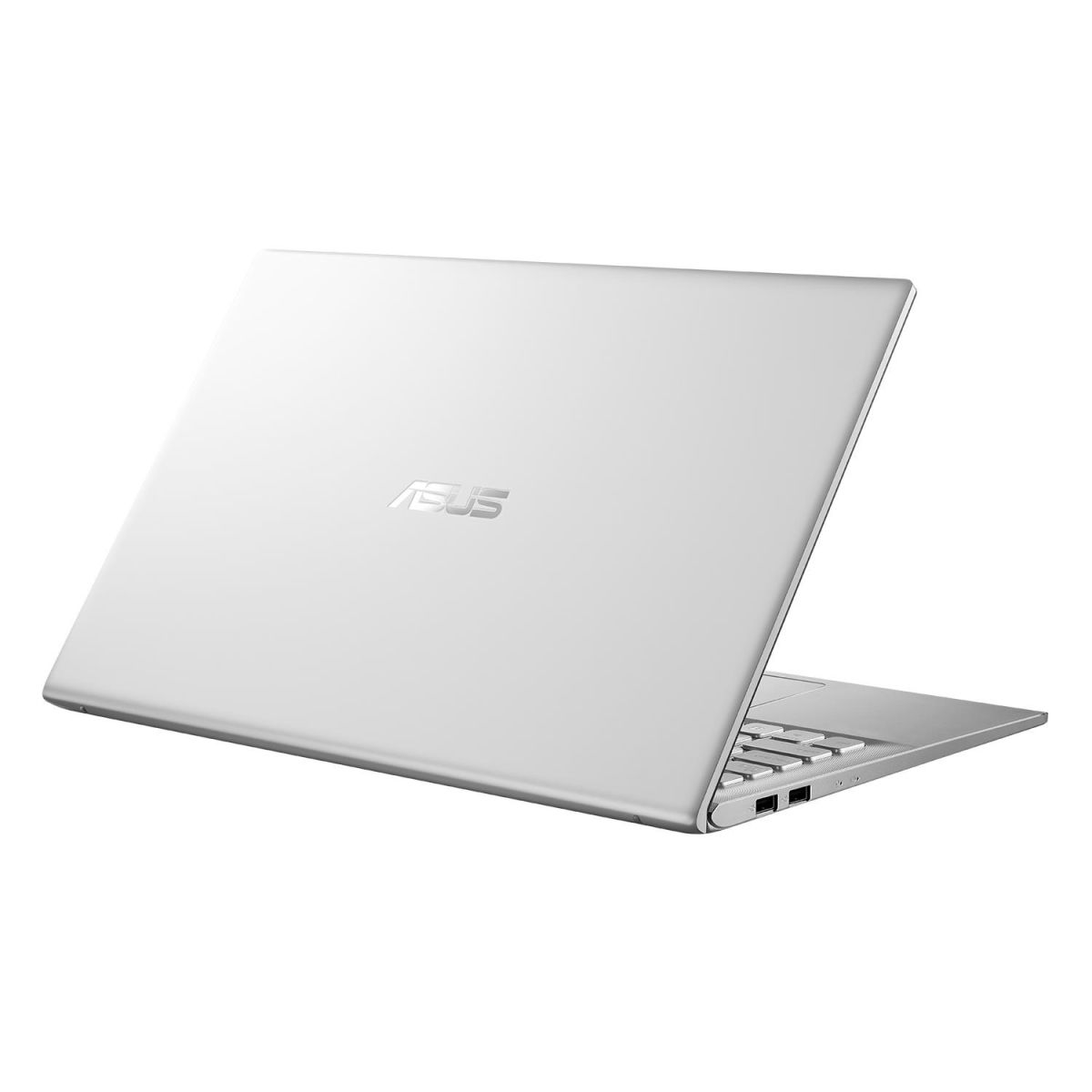
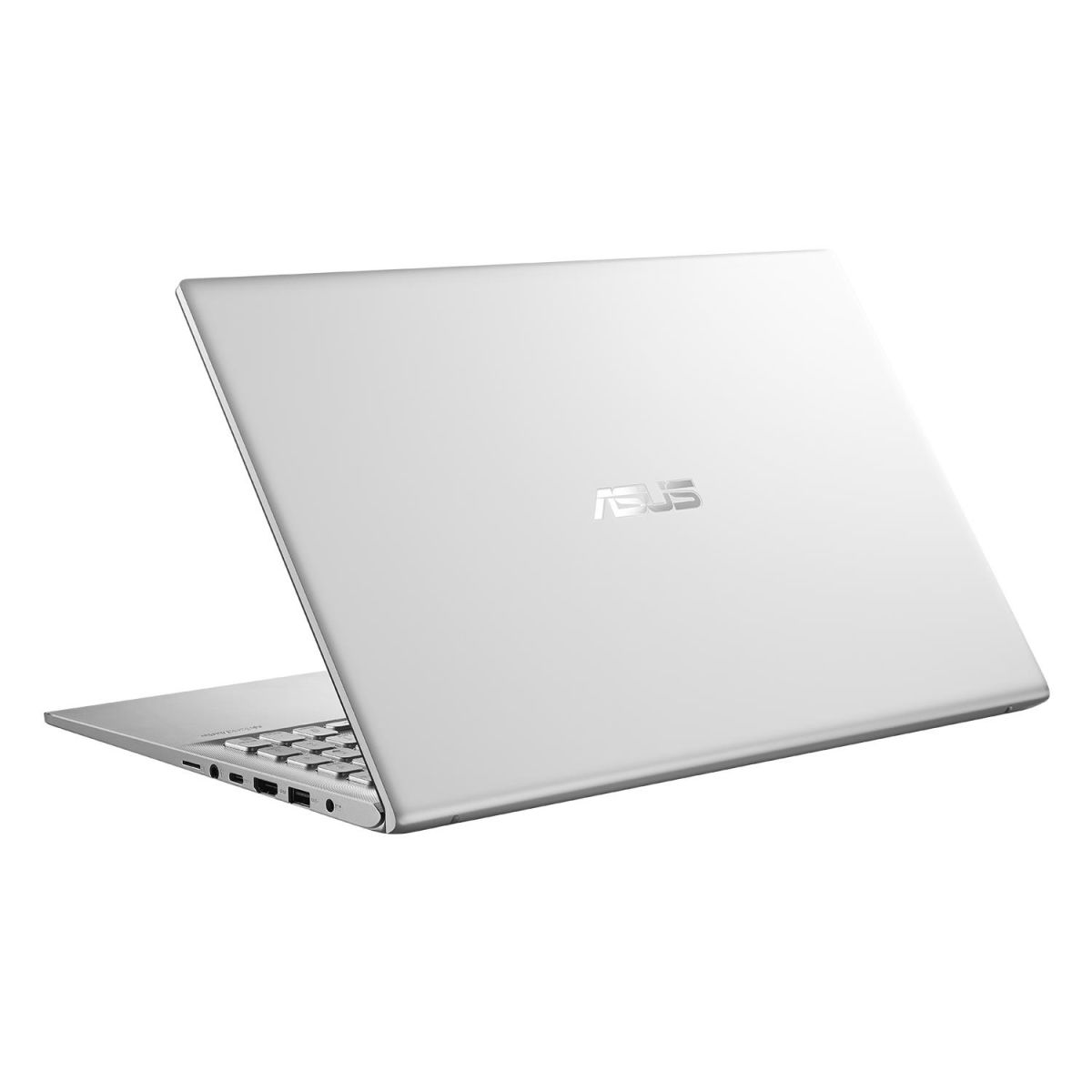
ASUS Vivobook 15 Series X512FA-EJ1504T RAM upgrade specifications include DDR4-SDRAM memory operating at 2400 MHz. The laptop features one SO-DIMM slot for memory expansion, with maximum RAM capacity of 12 GB. The memory configuration consists of on-board memory combined with one upgradeable SO-DIMM slot. Compatible DDR4-SDRAM modules can be installed to enhance system performance. The specifications define the maximum supported memory upgrade specifications for this specific model.
Memory Upgrade Specifications
| Specification | Value |
|---|---|
| Memory slots | 1x SO-DIMM |
| Form factor | On-board + SO-DIMM |
| Memory type | DDR4-SDRAM |
| Frequency | 2400 MHz |
| Maximum RAM | 12 GB |
| Voltage | 1.2V |
| Number of pins | 260-pin |
| Interface | PC4 |
| PC Speed Rating | PC4-2400 (PC4-19200) |
| Bandwidth | 19.2 GB/s |
| Laptop Release date | 01 November 2019 |
Additional Notes
- The ASUS Vivobook X512FA-EJ1504T contains soldered on-board memory alongside a single user-accessible SO-DIMM slot, meaning the base memory configuration cannot be removed or replaced, only supplemented.
- Upgrading to the 12 GB maximum requires installing a 8 GB SO-DIMM module, as the on-board portion is fixed; this asymmetrical configuration will cause the system to operate in single-channel mode rather than matched dual-channel pairing.
- The 2400 MHz frequency specification constrains compatible SO-DIMM modules to DDR4-2400 or lower speeds; higher-frequency modules will downclock to 2400 MHz, eliminating any performance advantage from faster memory and wasting upgrade investment.
- SO-DIMM form factor availability for DDR4-2400 is limited in current retail channels since this speed tier has been largely phased out in favor of 2666 MHz and 3200 MHz standards, increasing sourcing difficulty and cost for warranty-compliant replacements.
- The single expandable slot provides no redundancy; if the SO-DIMM fails or becomes unseated, the system reverts to on-board memory only, creating a single point of failure for any capacity gains beyond the factory configuration.
- Thermal considerations for the enclosed SO-DIMM slot may restrict sustained performance under memory-intensive workloads, as laptop chassis typically offer minimal airflow around memory modules compared to desktop environments.