ASUS Vivobook X512FA-EJ244T RAM upgrade specifications
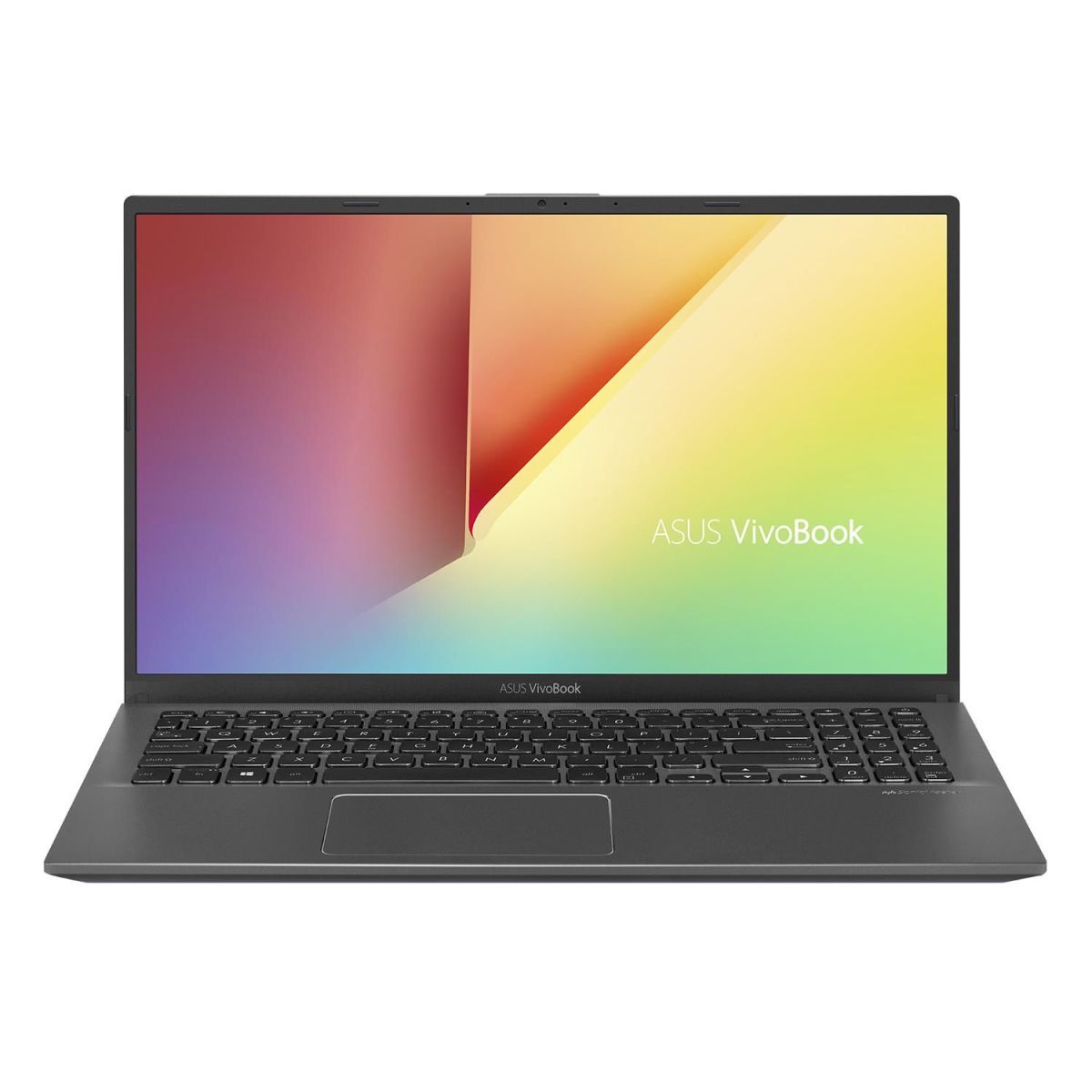
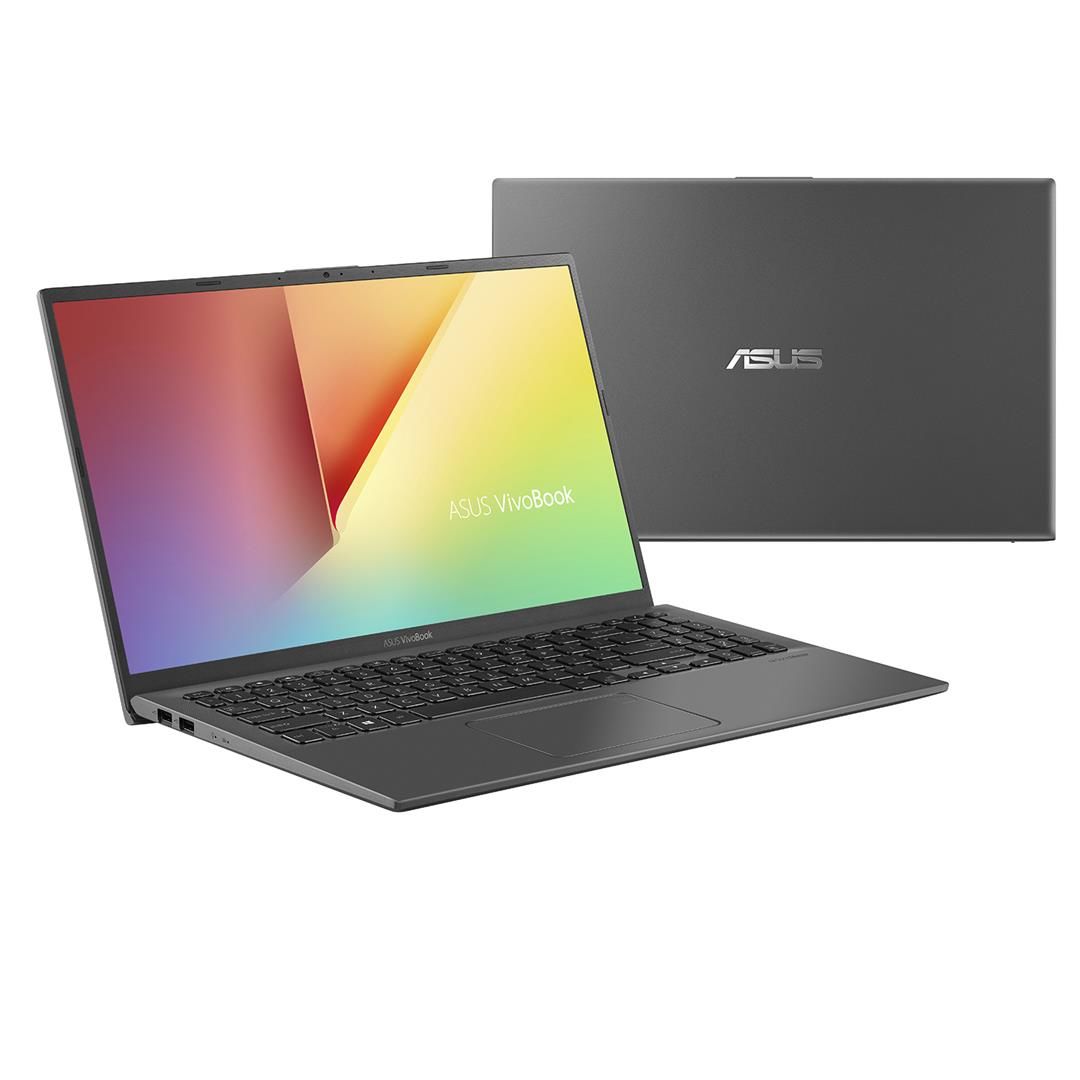


ASUS Vivobook 15 Series X512FA-EJ244T laptop features DDR4-SDRAM memory upgrade capabilities. Compatible memory specifications include one SO-DIMM slot supporting maximum RAM capacity of 16 GB at 2400 MHz frequency. The upgrade slots accommodate additional DDR4-SDRAM modules alongside integrated on-board memory. Specifications detail single SO-DIMM slot configuration for RAM expansion on this ASUS Vivobook Series model.
Memory Upgrade Specifications
| Specification | Value |
|---|---|
| Memory slots | 1x SO-DIMM |
| Form factor | On-board + SO-DIMM |
| Memory type | DDR4-SDRAM |
| Frequency | 2400 MHz |
| Maximum RAM | 16 GB |
| Voltage | 1.2V |
| Number of pins | 260-pin |
| Interface | PC4 |
| PC Speed Rating | PC4-2400 (PC4-19200) |
| Bandwidth | 19.2 GB/s |
| Laptop Release date | 26 February 2019 |
Additional Notes
- The ASUS Vivobook X512FA-EJ244T contains soldered on-board memory paired with a single accessible SO-DIMM slot, meaning the total upgrade capacity depends on existing on-board allocation. If 8 GB is soldered, maximum total reaches 16 GB; if 4 GB is soldered, only 12 GB is achievable.
- DDR4-2400 MHz represents a performance ceiling that will not scale beyond this frequency regardless of higher-speed modules installed. Inserting DDR4-3200 or faster memory will throttle to 2400 MHz, creating no performance gain and potential compatibility risk if the BIOS lacks voltage regulation for newer standards.
- Single SO-DIMM configuration eliminates dual-channel memory architecture benefits. Upgrading the removable slot cannot create a dual-channel setup if on-board memory exists on a separate controller lane, limiting bandwidth efficiency gains typical of matched pairs.
- SO-DIMM physical constraints restrict upgrade options to laptop-form-factor modules. Desktop DDR4 UDIMM sticks are mechanially incompatible and will not physically seat in the slot, blocking lower-cost alternatives.
- The 16 GB ceiling is a hard limitation imposed by firmware address space or controller design, not by DDR4 technology limits. Warranty coverage typically remains intact when upgrading within manufacturer specifications, but BIOS revision verification is necessary before purchase to confirm the specific module capacity the system firmware recognizes.