ASUS Vivobook X512FB-BQ022T RAM upgrade specifications
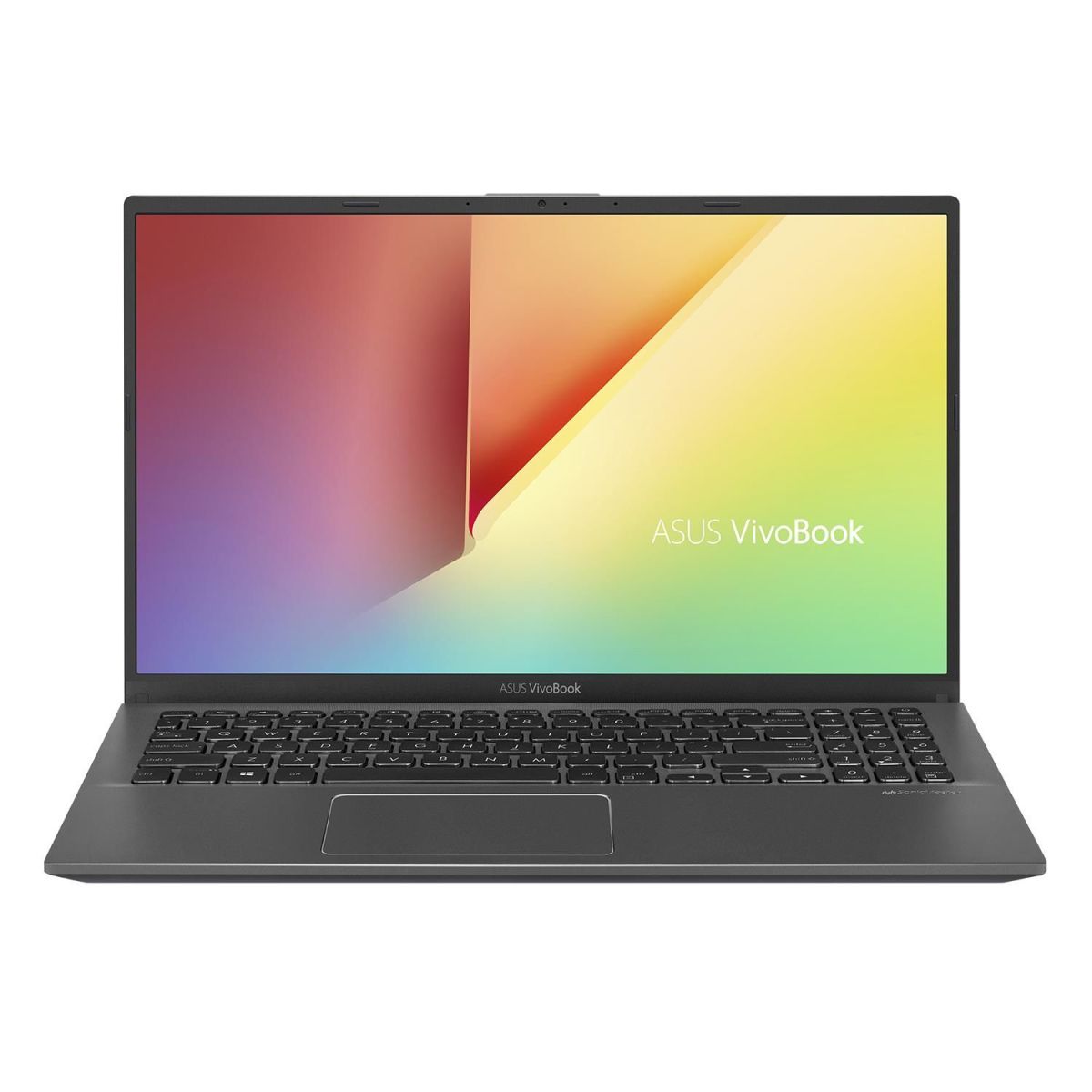
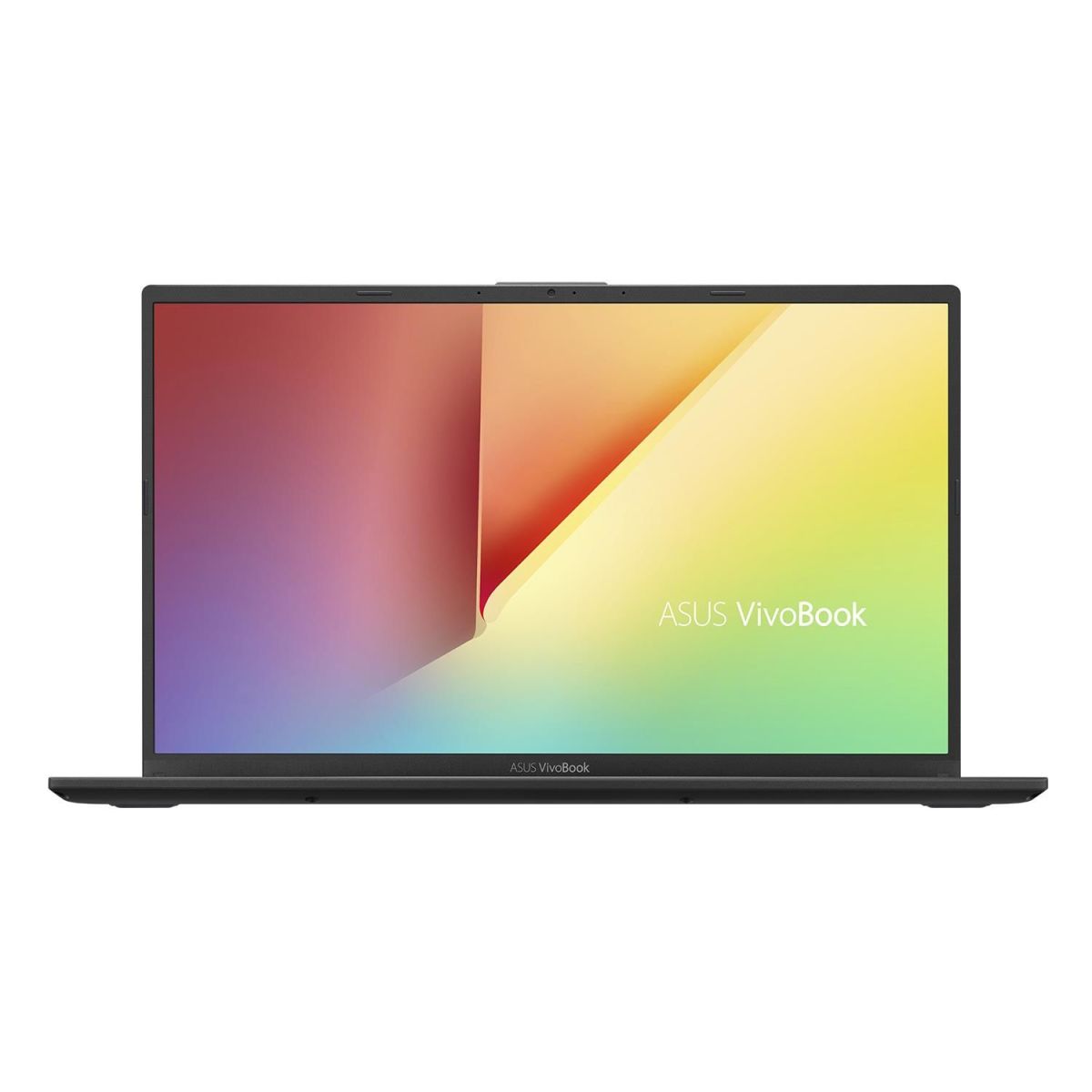
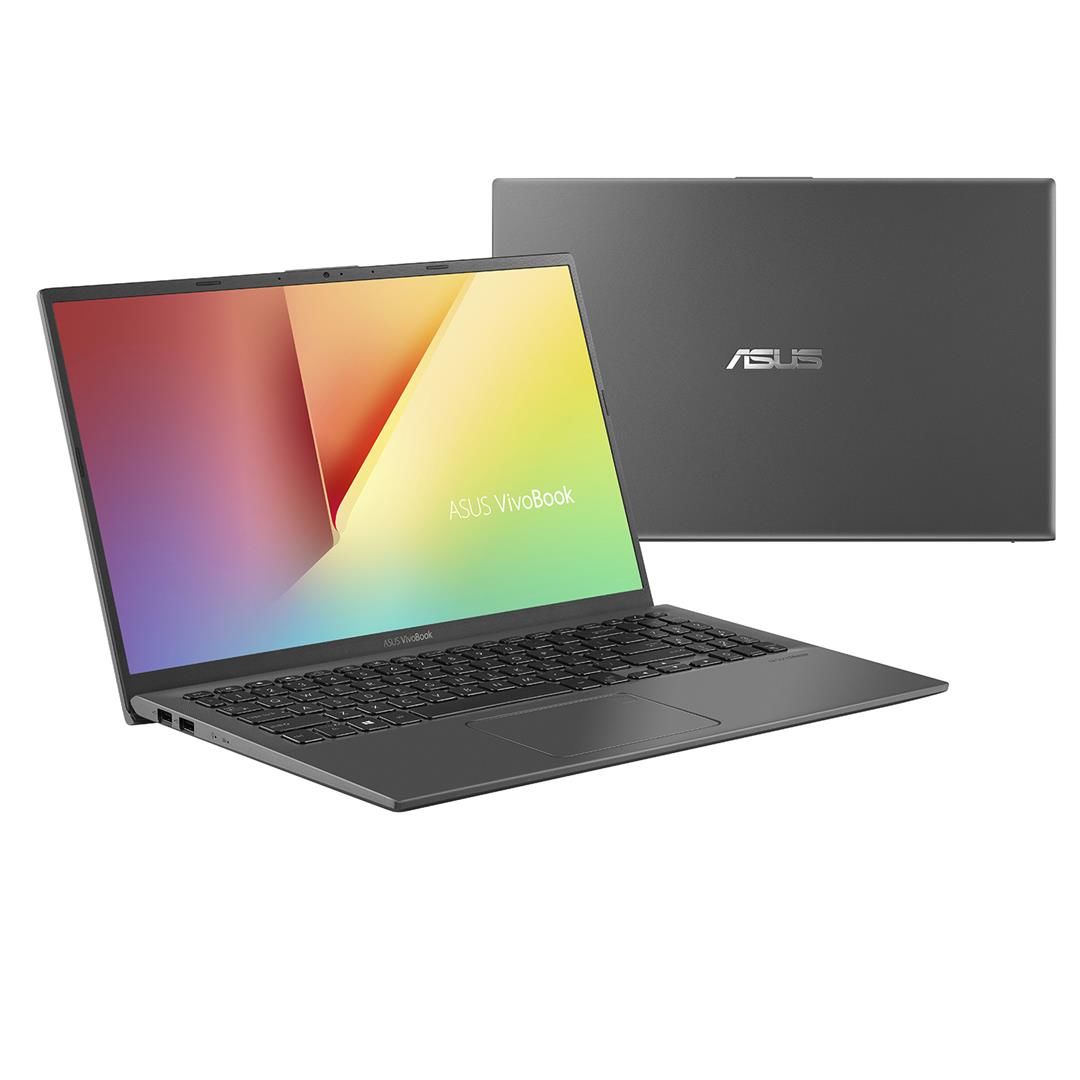
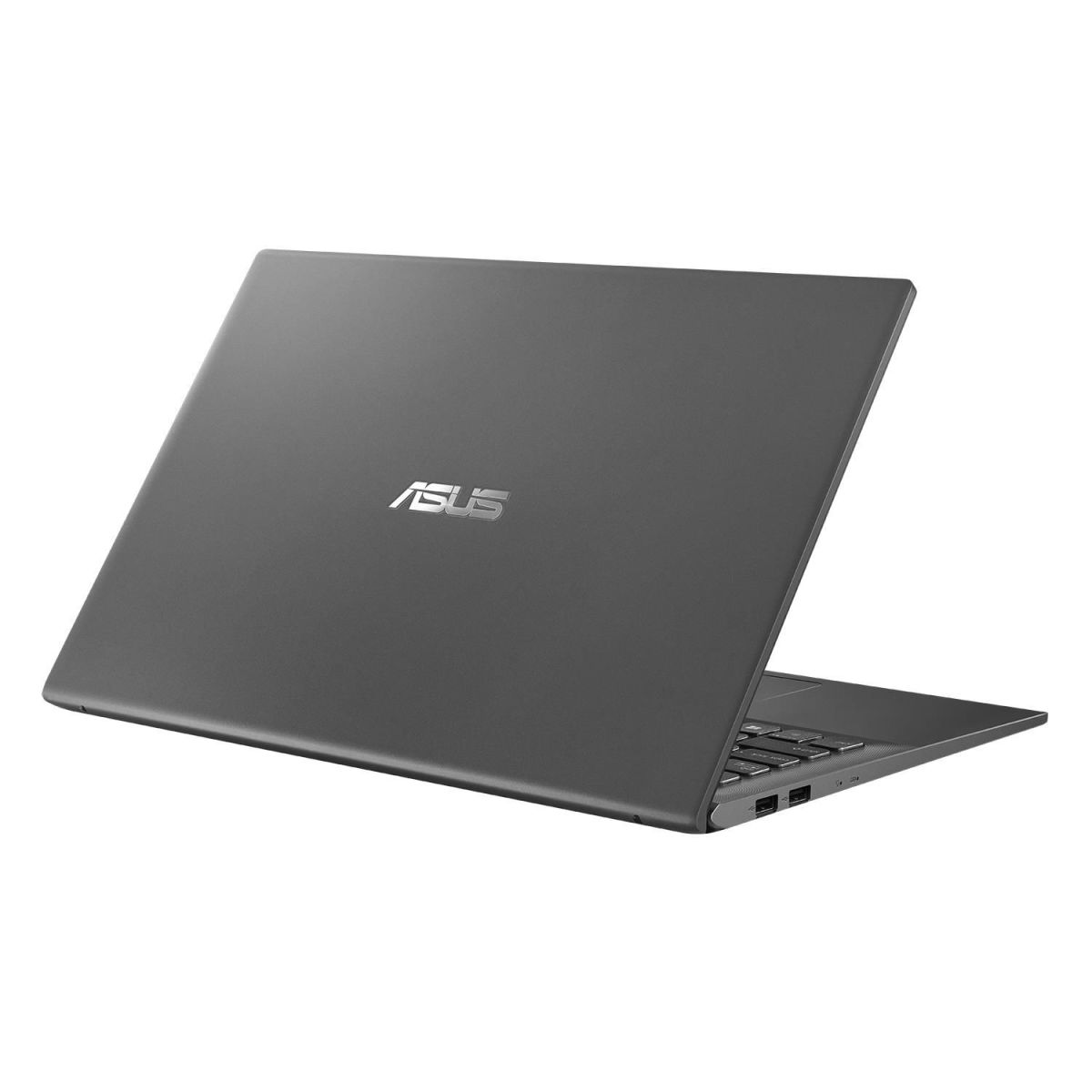

ASUS Vivobook 15 series X512FB-BQ022T laptop RAM upgrade specifications include DDR4-SDRAM memory with maximum capacity of 12 GB. The system features one SO-DIMM slot for memory expansion, compatible with 2400 MHz frequency modules. Upgrade capacity is limited by single slot availability and onboard memory configuration. Specifications indicate maximum RAM support of 12 GB total, with DDR4 compatibility for memory module upgrades.
Memory Upgrade Specifications
| Specification | Value |
|---|---|
| Memory slots | 1x SO-DIMM |
| Form factor | On-board + SO-DIMM |
| Memory type | DDR4-SDRAM |
| Frequency | 2400 MHz |
| Maximum RAM | 12 GB |
| Voltage | 1.2V |
| Number of pins | 260-pin |
| Interface | PC4 |
| PC Speed Rating | PC4-2400 (PC4-19200) |
| Bandwidth | 19.2 GB/s |
| Laptop Release date | 23 June 2019 |
Additional Notes
- The ASUS Vivobook X512FB-BQ022T features a dual-channel configuration utilizing 1 soldered module and 1 socketed slot, limiting total capacity expansion beyond the factory-installed configuration.
- The 12 GB ceiling indicates a 4 GB soldered component, restricting the socketed slot to an 8 GB module maximum due to asymmetric memory architecture.
- Installing modules exceeding 8 GB in the available slot will result in system non-recognition or forced downclocking to maintain compatibility with the fixed onboard memory.
- The 2400 MHz specification represents JEDEC standard timing, meaning DDR4-2666 or faster modules will automatically downclock to match the lower frequency baseline.
- Dual-channel bandwidth requires capacity matching between the soldered and socketed modules, with unequal configurations triggering flex mode operation that reduces effective memory bandwidth in certain address ranges.
- The single accessible SO-DIMM slot eliminates future capacity expansion beyond initial upgrade without replacing the entire motherboard assembly.
- Memory installation requires accessing the bottom panel, which may involve breaking warranty seals depending on regional service policies and original purchase terms.
- SPD programming on aftermarket modules must conform to JEDEC DDR4-2400 profiles, as XMP/DOCP overclocking profiles remain unsupported in this platform's UEFI firmware.
- The onboard component's soldered attachment prevents removal or replacement, making the 4 GB base allocation a permanent floor for total system memory.
- CAS latency variations between the soldered module and user-installed SO-DIMM will force both to operate at the slower timing value, potentially impacting sustained memory-intensive workloads.