ASUS Vivobook X512FB-EJ230T RAM upgrade specifications
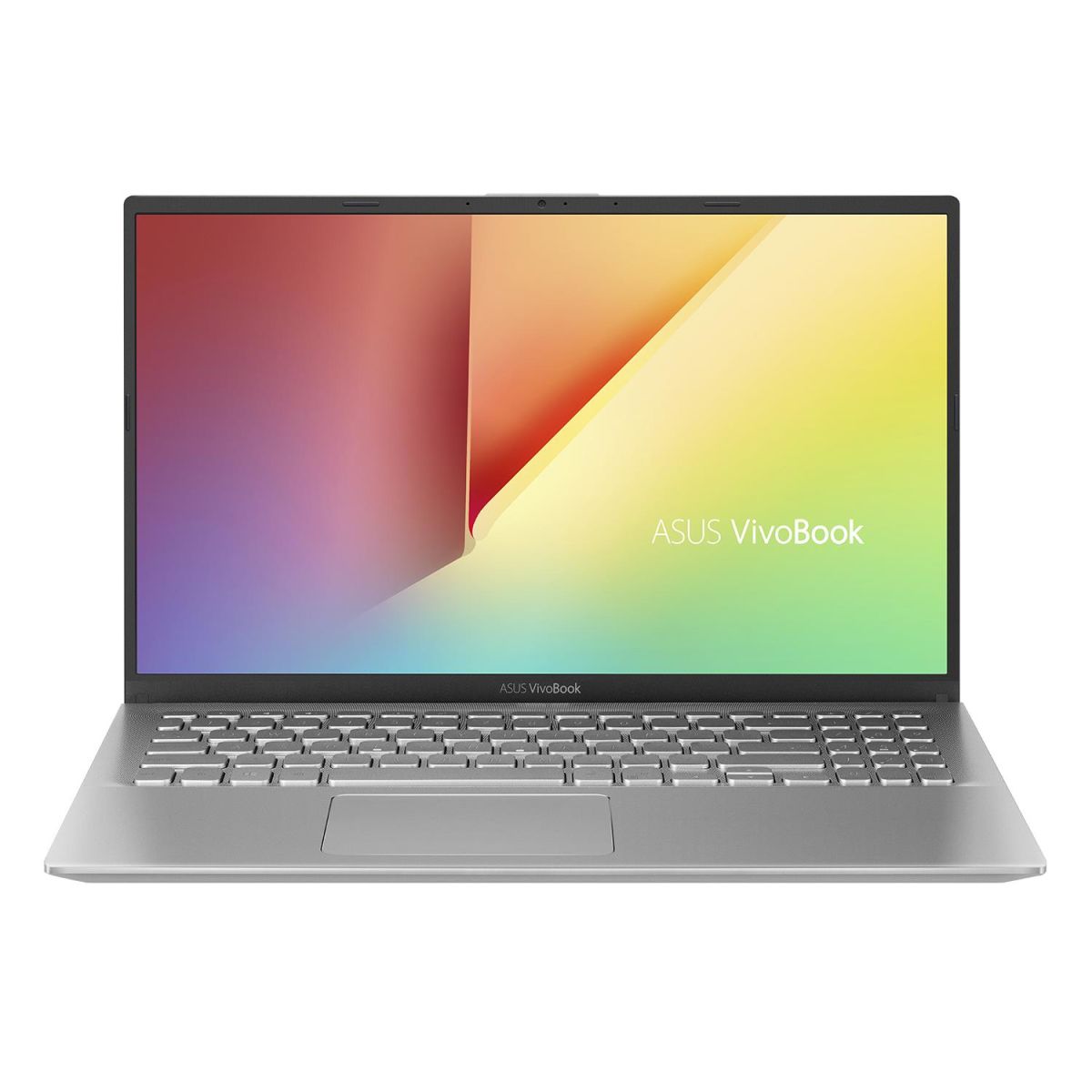
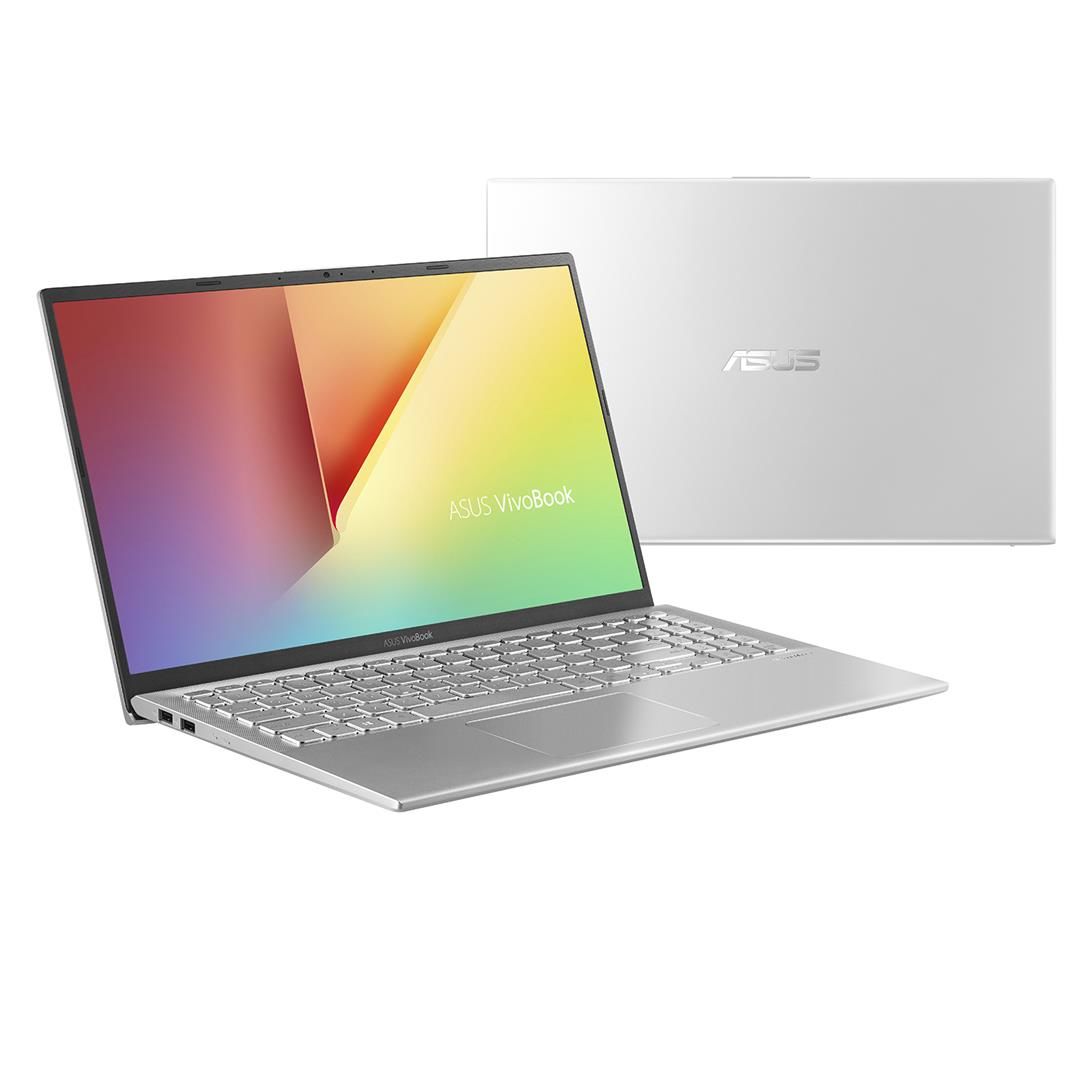
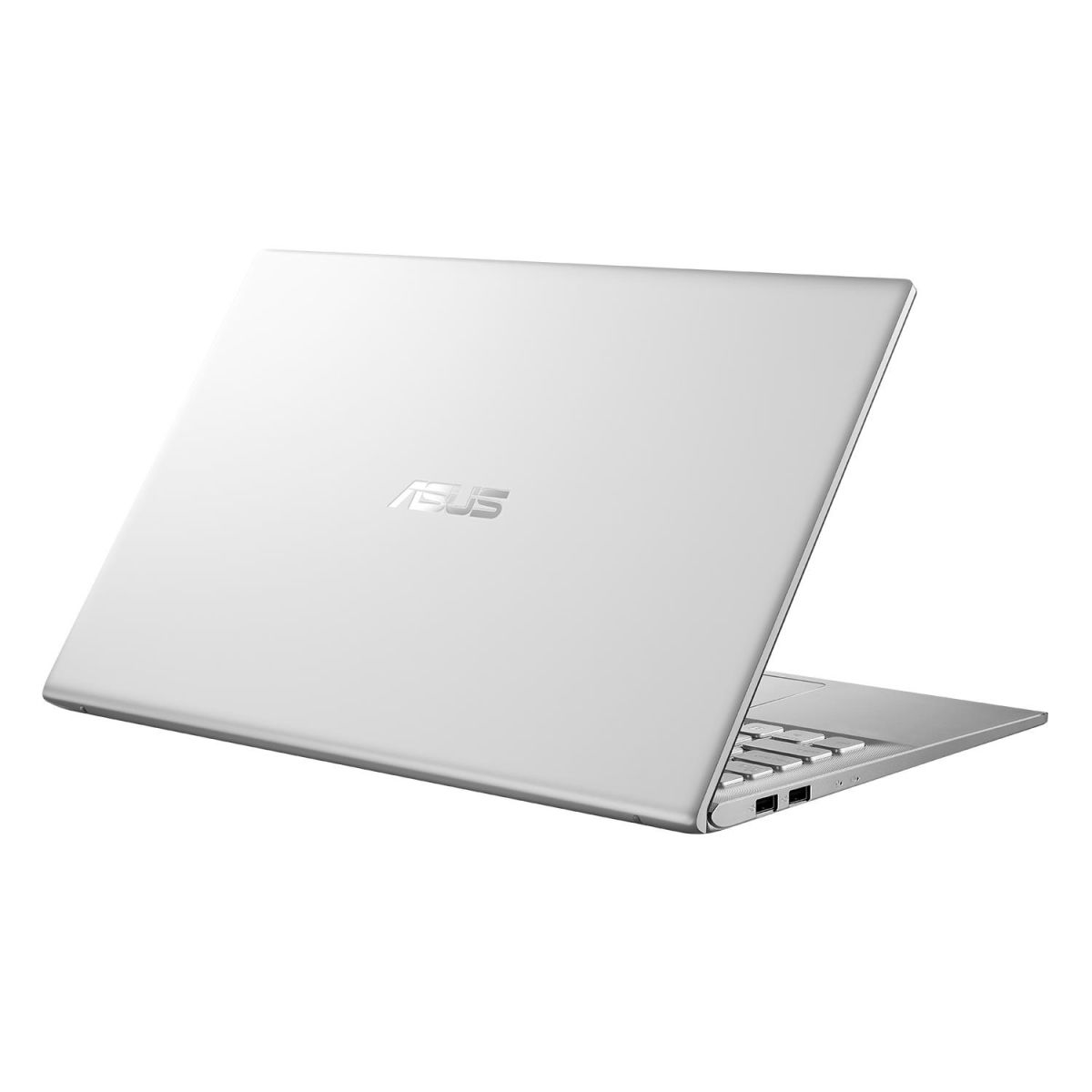
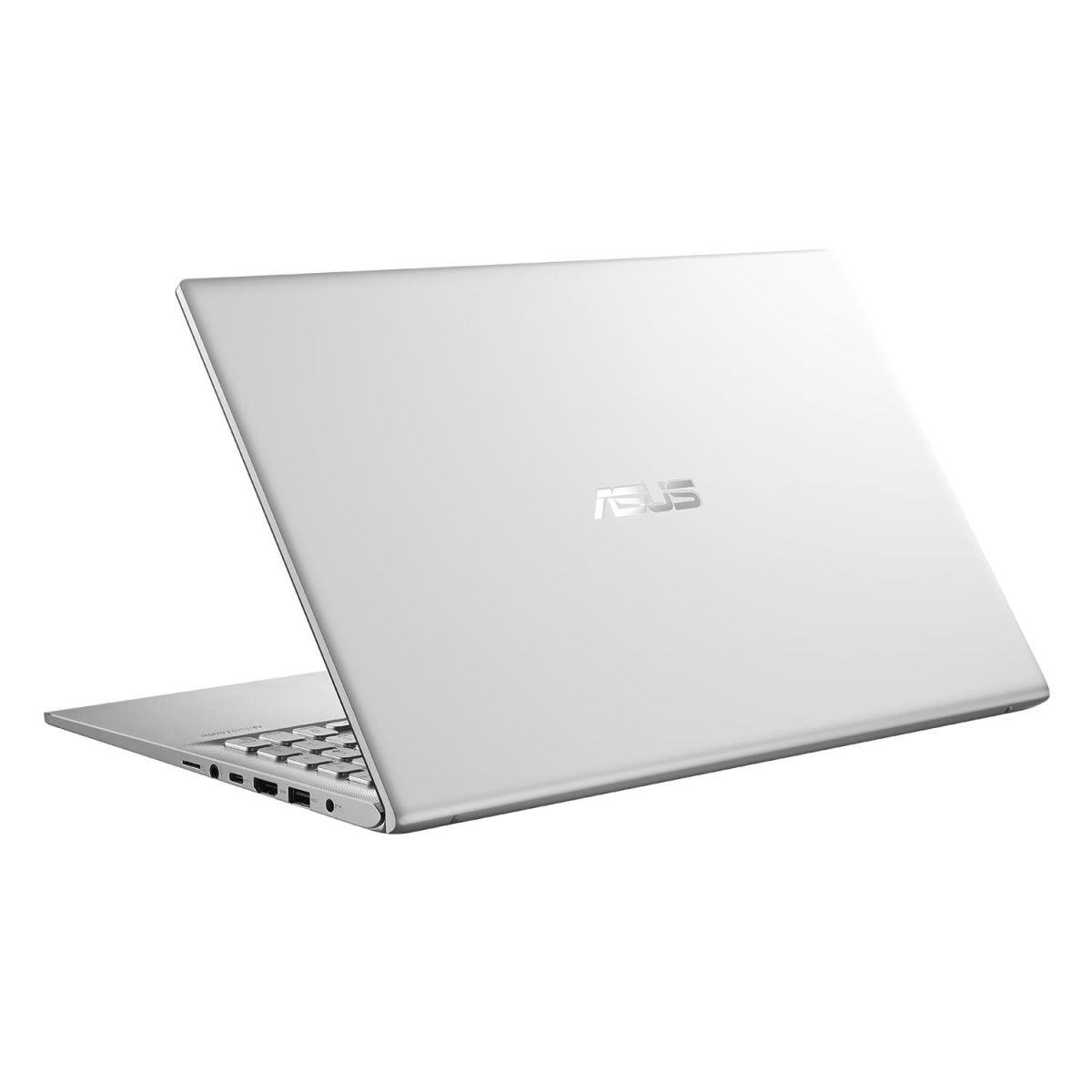
The ASUS Vivobook 15 Series X512FB-EJ230T laptop features DDR4-SDRAM memory upgrade specifications with one SO-DIMM slot available for expansion. Maximum RAM capacity reaches 16 GB through compatible upgrades. The memory operates at 2400 MHz frequency, with on-board memory integrated alongside the expandable SO-DIMM slot. Specifications indicate single-slot upgrade capability for this ASUS model, supporting DDR4 memory modules within the defined compatibility parameters and maximum capacity constraints.
Memory Upgrade Specifications
| Specification | Value |
|---|---|
| Memory slots | 1x SO-DIMM |
| Form factor | On-board + SO-DIMM |
| Memory type | DDR4-SDRAM |
| Frequency | 2400 MHz |
| Maximum RAM | 16 GB |
| Voltage | 1.2V |
| Number of pins | 260-pin |
| Interface | PC4 |
| PC Speed Rating | PC4-2400 (PC4-19200) |
| Bandwidth | 19.2 GB/s |
| Laptop Release date | 22 March 2019 |
Additional Notes
- The presence of on-board memory means only half of the total system RAM is replaceable, creating a permanent hardware floor that cannot be bypassed if a chip fails.
- Dual-channel symmetry is only achievable when the capacity of the added module matches the soldered capacity, otherwise the system reverts to asynchronous flex mode which reduces memory bandwidth efficiency.
- The single expansion slot architecture of the ASUS Vivobook X512FB-EJ230T limits future scalability since reaching the maximum supported capacity requires discarding the existing removable module rather than adding to it.
- Using modules with speeds higher than 2400 MHz results in automatic downclocking to match the soldered memory timing, providing no performance benefit from overclocked profiles.
- Installing a high-density double-sided module may cause physical clearance issues or boot failure if the internal memory controller lacks support for specific chip ranks.
- Thermal dissipation for the memory is shared with the mainboard surface, meaning high-voltage modules could contribute to localized heat buildup within the thin chassis profile.
- The lack of a second SO-DIMM slot prevents the use of quad-rank configurations, capping the maximum data transfer rates at the standard 19.2 GB/s limit for this frequency.