ASUS Vivobook X512FB-BR177T RAM upgrade specifications
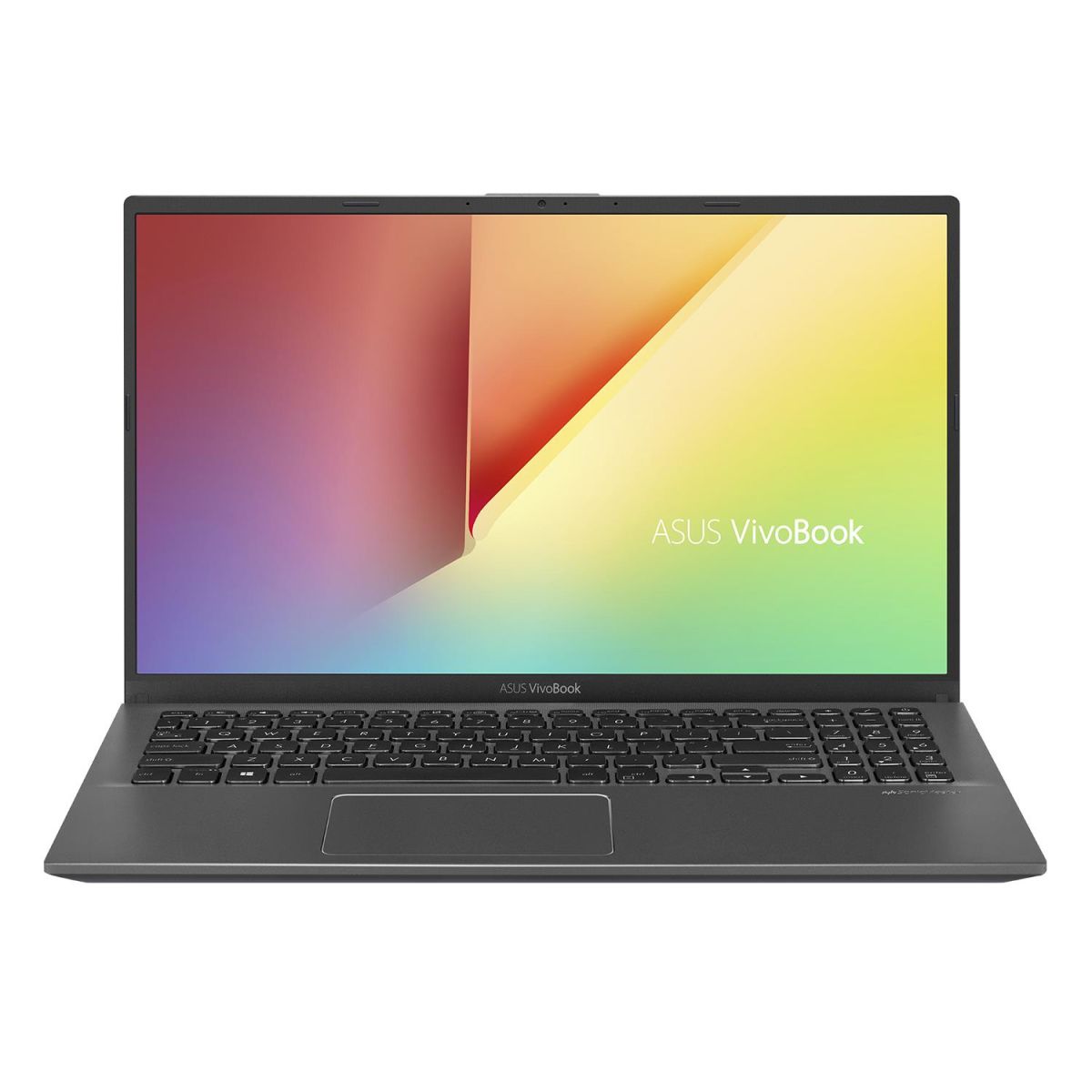
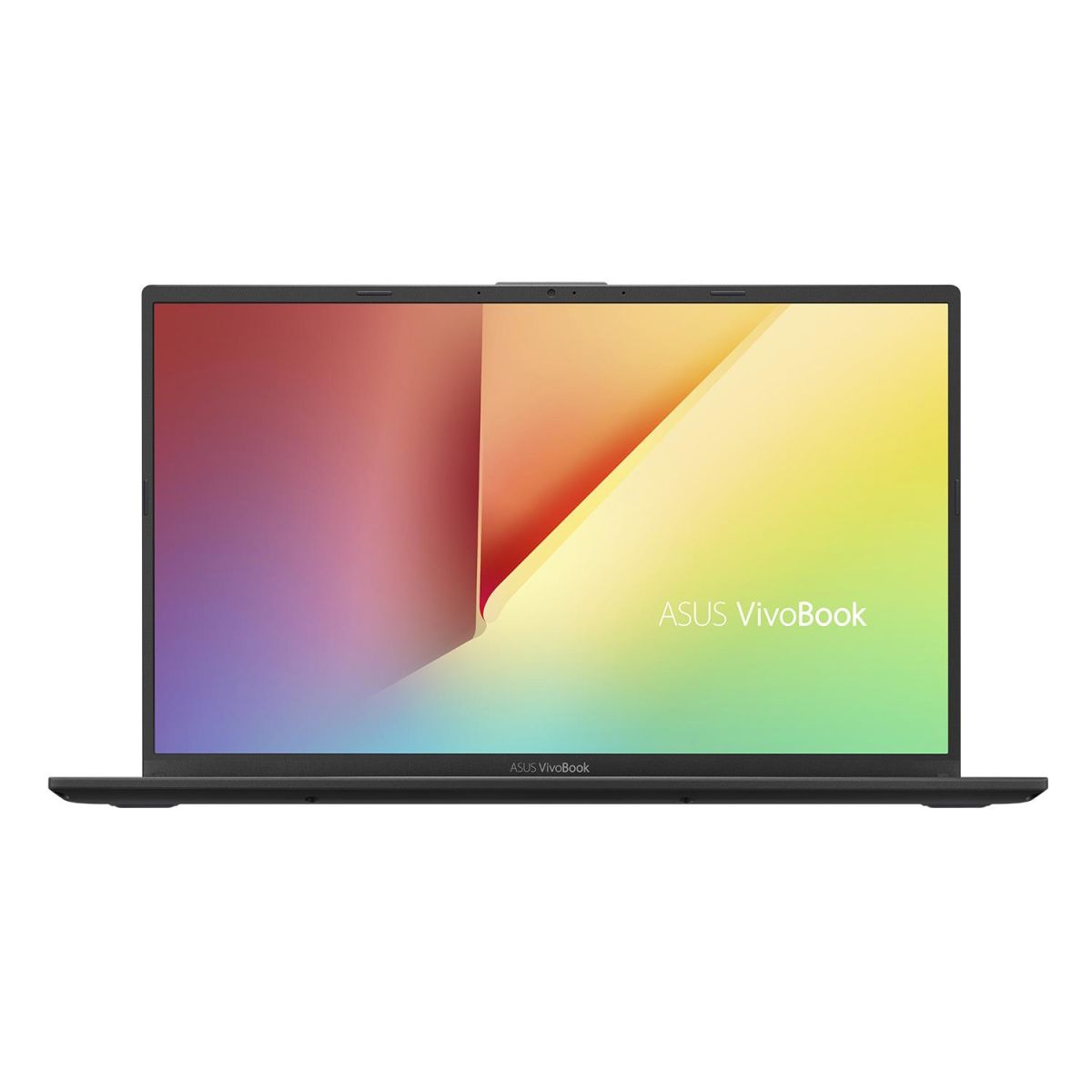
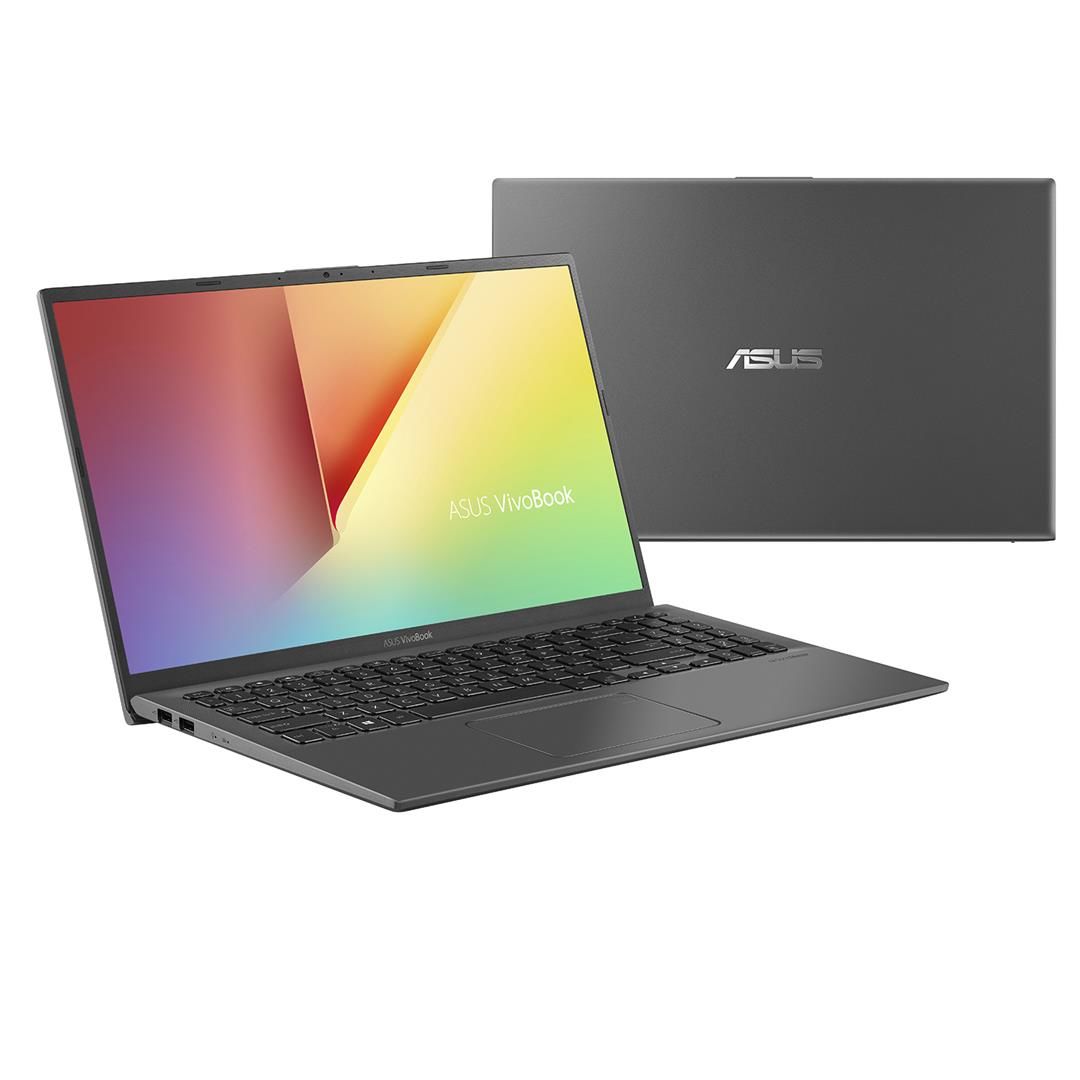


ASUS Vivobook 15 Series X512FB-BR177T laptop RAM upgrade specifications include DDR4-SDRAM memory compatible with 1x SO-DIMM slot. Maximum memory capacity reaches 12 GB total, combining on-board memory with SO-DIMM upgrade slots. Memory frequency operates at 2400 MHz. Compatible RAM upgrades must utilize SO-DIMM form factor specifications for proper installation and system compatibility.
Memory Upgrade Specifications
| Specification | Value |
|---|---|
| Memory slots | 1x SO-DIMM |
| Form factor | On-board + SO-DIMM |
| Memory type | DDR4-SDRAM |
| Frequency | 2400 MHz |
| Maximum RAM | 12 GB |
| Voltage | 1.2V |
| Number of pins | 260-pin |
| Interface | PC4 |
| PC Speed Rating | PC4-2400 (PC4-19200) |
| Bandwidth | 19.2 GB/s |
| Laptop Release date | 16 June 2019 |
Additional Notes
- The ASUS Vivobook X512FB-BR177T features soldered memory that cannot be removed or replaced, limiting upgrades to the single accessible slot.
- The 12 GB maximum capacity indicates 4 GB of permanent onboard memory, restricting the SO-DIMM slot to an 8 GB module regardless of higher capacity availability.
- Dual-channel operation requires the installed SO-DIMM to match the onboard memory's 2400 MHz specification, as mixing speeds forces both modules to run at the lower frequency.
- Installing memory faster than 2400 MHz provides no performance benefit, as the system's memory controller caps operation at this speed through automatic downclocking.
- The fixed onboard component creates an asymmetric memory configuration that may impact dual-channel bandwidth efficiency compared to matched capacity pairs.
- Physical access to the SO-DIMM slot typically requires bottom panel removal, which may void warranty seals depending on regional service policies.
- DDR4 SO-DIMM modules operate at 1.2V standard voltage, making higher voltage variants incompatible with the system's power delivery specifications.
- Memory timing differences between the onboard chip and aftermarket SO-DIMMs force the system to negotiate compatible CAS latency values, potentially affecting response times.
- The single-slot design eliminates future expansion beyond 12 GB total, making the initial upgrade decision permanent for the system's lifespan.