ASUS Vivobook X512UA-EJ435T RAM upgrade specifications
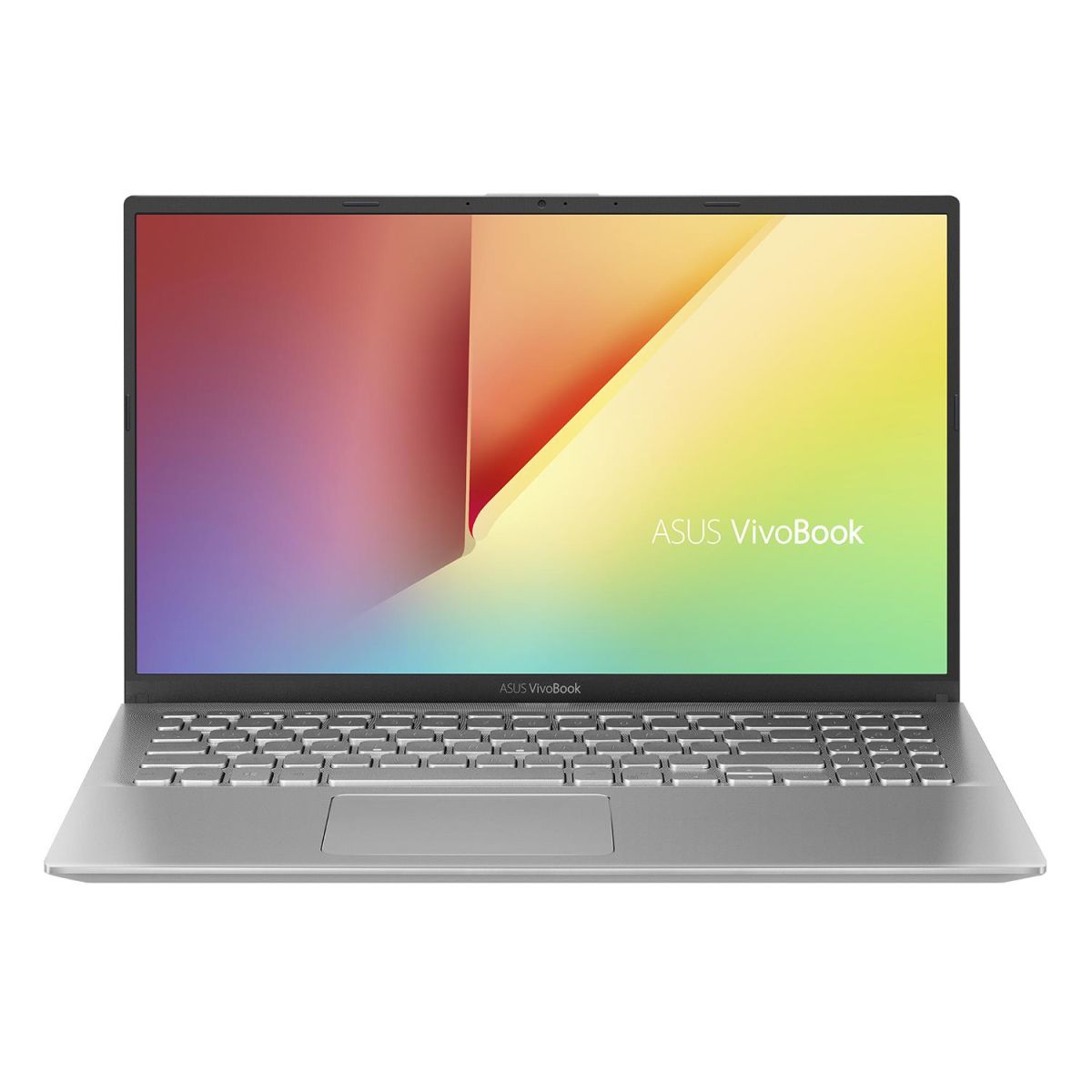
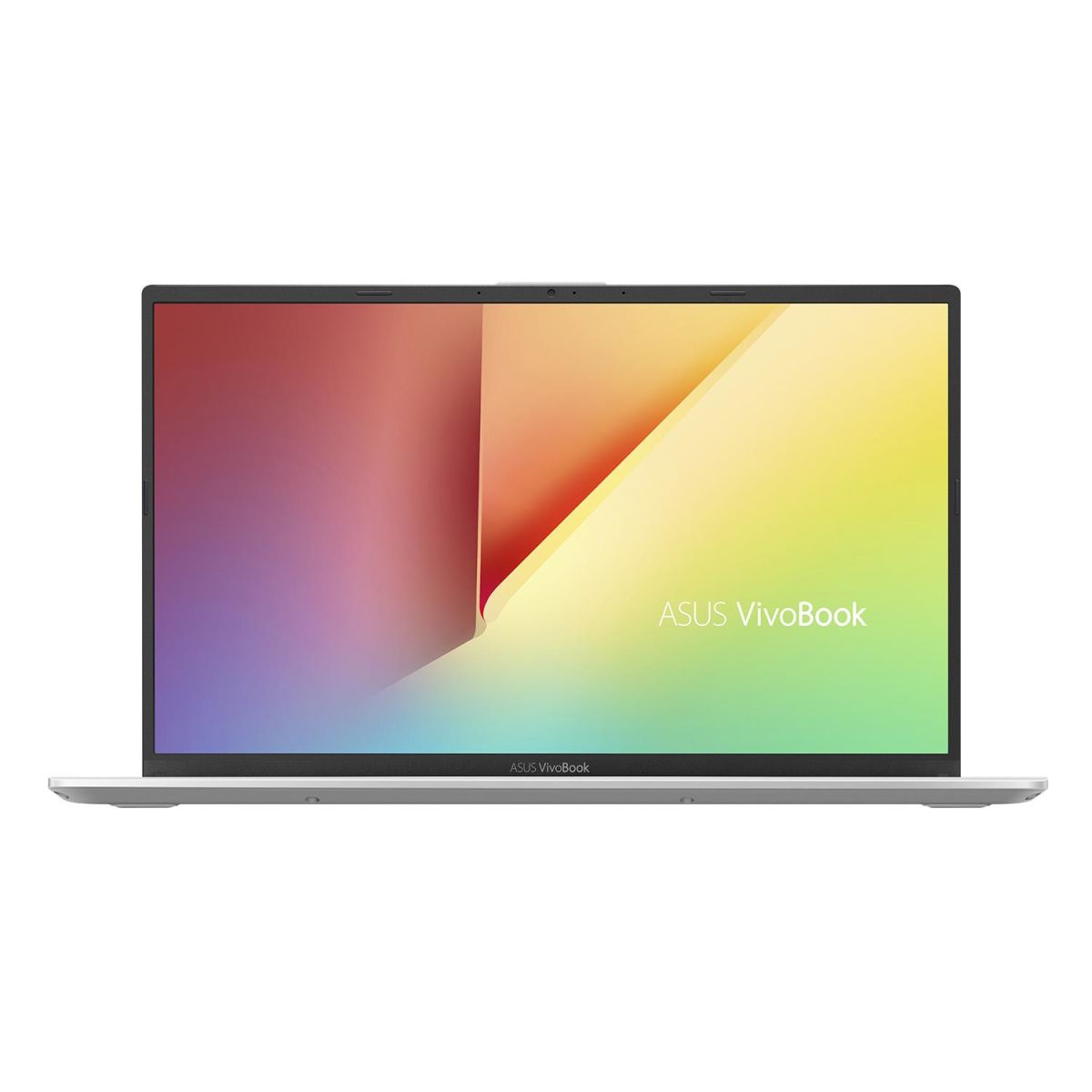
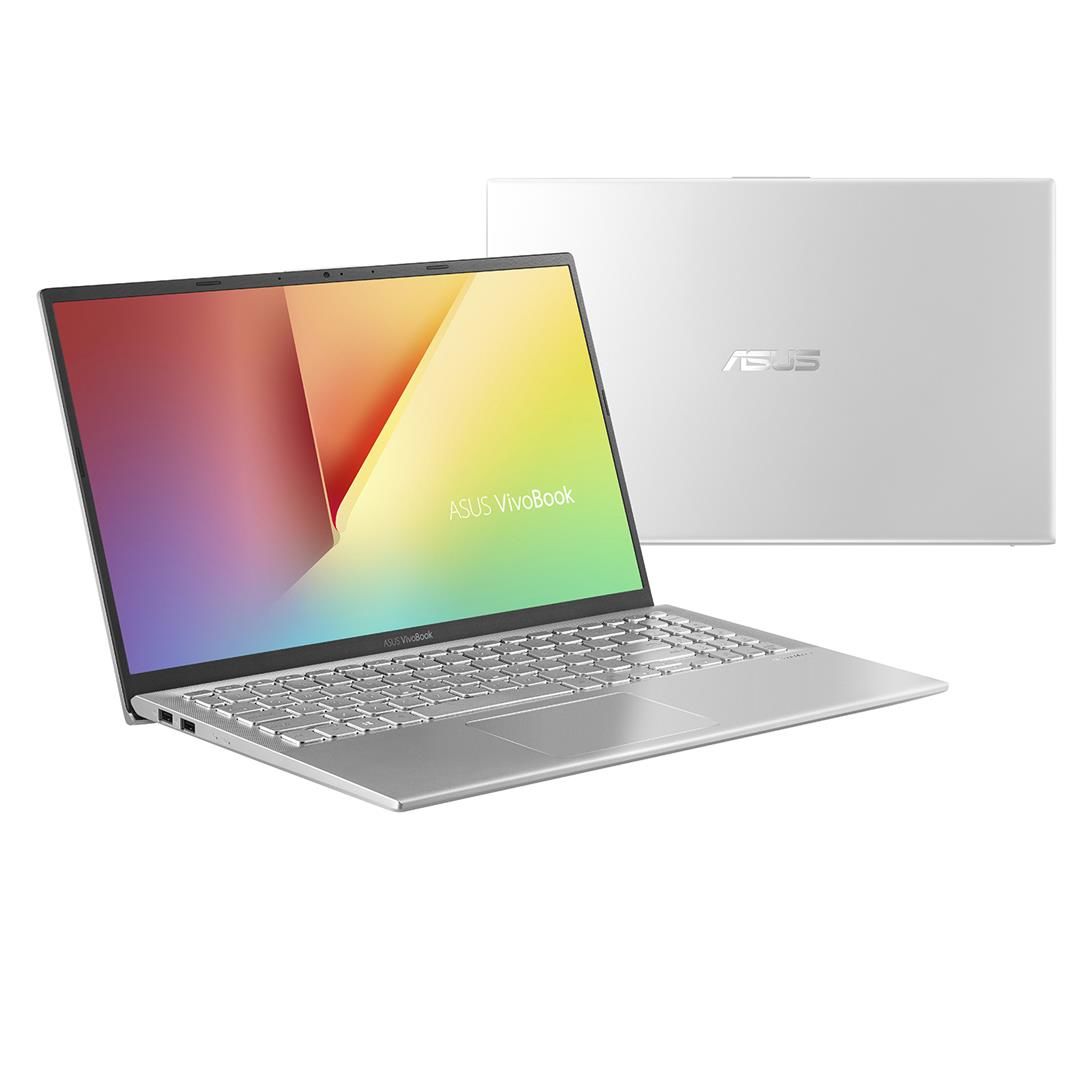


The ASUS Vivobook 15 Series X512UA-EJ435T features DDR4-SDRAM memory configuration with one SO-DIMM slot available for upgrade. The laptop contains onboard memory combined with one replaceable SO-DIMM slot, supporting maximum RAM capacity of 16 GB. Memory operates at 2400 MHz frequency. The upgrade specifications allow users to expand the system memory by installing compatible DDR4-SDRAM modules in the available slot to achieve the maximum supported capacity.
Memory Upgrade Specifications
| Specification | Value |
|---|---|
| Memory slots | 1x SO-DIMM |
| Form factor | On-board + SO-DIMM |
| Memory type | DDR4-SDRAM |
| Frequency | 2400 MHz |
| Maximum RAM | 16 GB |
| Voltage | 1.2V |
| Number of pins | 260-pin |
| Interface | PC4 |
| PC Speed Rating | PC4-2400 (PC4-19200) |
| Bandwidth | 19.2 GB/s |
| Laptop Release date | 22 March 2019 |
Additional Notes
- The ASUS Vivobook X512UA-EJ435T features a hybrid memory architecture combining soldered RAM with a single expansion slot, preventing dual-channel configuration unless the onboard capacity matches the installed module.
- DDR4-2400 operates at lower bandwidth than DDR4-2666 or DDR4-3200 modules, limiting data transfer to 19.2 GB/s per channel regardless of installed module specifications.
- Single SO-DIMM configuration restricts total addressable memory below advertised maximum when onboard capacity exceeds available slot capacity or vice versa.
- Modules rated above 2400 MHz will downclock to system specification, negating performance benefits of higher-frequency purchases.
- Asymmetric memory configurations between onboard and socketed modules trigger flex mode operation, reducing effective bandwidth in the mismatched capacity portion.
- Physical SO-DIMM access typically requires bottom panel removal, potentially voiding seals that manufacturers use to track unauthorized service attempts.
- 16 GB ceiling assumes specific onboard capacity paired with complementary SO-DIMM size; configurations exceeding chipset limits will truncate to maximum supported density.
- Non-ECC DDR4 specification eliminates error correction overhead but provides no protection against memory corruption in mission-critical applications.
- 260-pin SO-DIMM standard ensures physical incompatibility with 288-pin desktop modules despite identical DDR4 protocol support.
- CAS latency ratings become secondary consideration when frequency ceiling restricts absolute timing performance to 2400 MHz baseline.