ASUS Vivobook X540UA-DM1130T RAM upgrade specifications
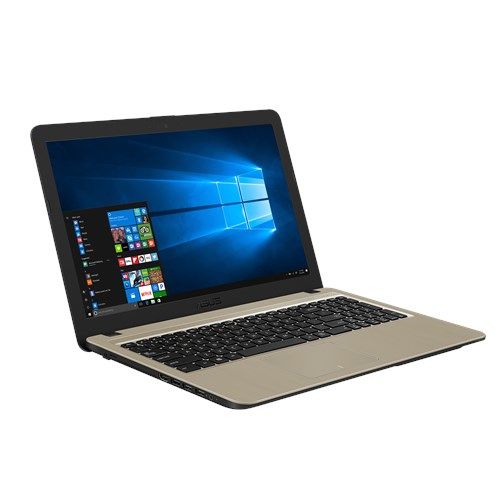
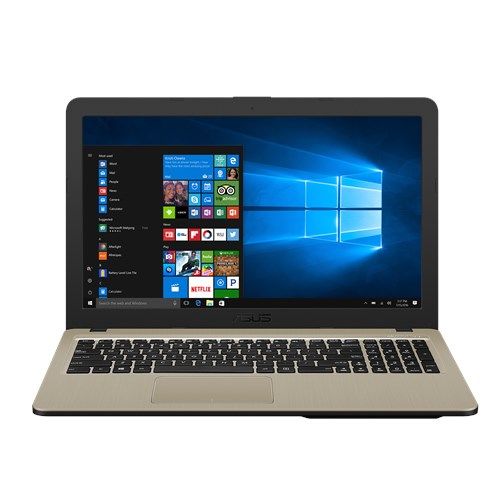


ASUS Vivobook 15 Series X540UA-DM1130T laptop RAM upgrade specifications detail a single SO-DIMM memory slot for DDR4-SDRAM expansion. The model features on-board memory combined with one upgradeable SO-DIMM slot, supporting maximum RAM capacity of 12 GB at 2133 MHz frequency. Compatible memory modules can be installed in the available slot to enhance system performance and multitasking capabilities. Current specifications and upgrade options are dependent on the existing on-board memory configuration and compatible DDR4 modules meeting the stated frequency and capacity requirements.
Memory Upgrade Specifications
| Specification | Value |
|---|---|
| Memory slots | 1x SO-DIMM |
| Form factor | On-board + SO-DIMM |
| Memory type | DDR4-SDRAM |
| Frequency | 2133 MHz |
| Maximum RAM | 12 GB |
| Voltage | 1.2V |
| Number of pins | 260-pin |
| Interface | PC4 |
| PC Speed Rating | PC4-2133 (PC4-17064) |
| Bandwidth | 17.1 GB/s |
| Laptop Release date | 16 November 2018 |
Additional Notes
- The 12 GB maximum capacity consists of 4 GB soldered to the motherboard and 1 upgrade slot accepting up to 8 GB, meaning the soldered portion cannot be replaced or removed.
- SO-DIMM compatibility requires low-profile memory modules; standard desktop DIMM sticks are physically incompatible with the single upgrade slot.
- DDR4-2133 MHz operates at the entry-level speed tier for DDR4, limiting bandwidth to approximately 17 GB/s, which may create a performance constraint when paired with modern processors supporting faster DDR4 speeds (2400 MHz or higher).
- Adding an 8 GB SO-DIMM to the vacant slot creates asymmetrical configuration with 4 GB on-board and 8 GB modular, resulting in dual-channel operation at reduced capacity rather than balanced symmetric pairing.
- Memory upgrade does not void manufacturer warranty under standard conditions, as SO-DIMM installation requires no adhesive removal or soldering.
- Future upgrade beyond 12 GB is structurally impossible due to the single slot constraint and soldered component, establishing an absolute performance ceiling for RAM-dependent workloads.