ASUS Vivobook X540UA-DM437T RAM upgrade specifications
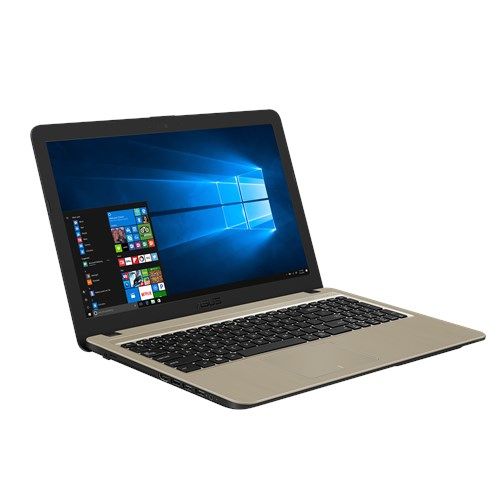
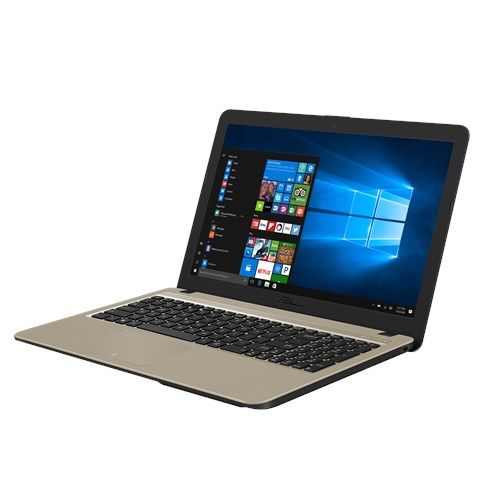
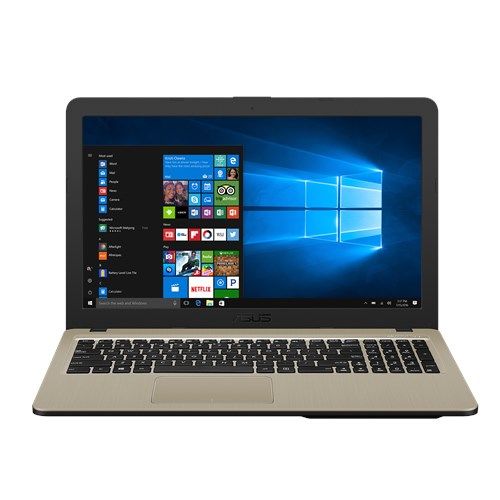

ASUS Vivobook 15 Series X540UA-DM437T laptop features one SO-DIMM memory slot for RAM upgrade capabilities. Compatible memory type is DDR4-SDRAM operating at 2133 MHz frequency. Maximum memory capacity supported reaches 12 GB through the available upgrade slot, with on-board memory integrated into the system. Specifications indicate memory upgrade potential through the single SO-DIMM slot to enhance overall system performance and multitasking capability.
Memory Upgrade Specifications
| Specification | Value |
|---|---|
| Memory slots | 1x SO-DIMM |
| Form factor | On-board + SO-DIMM |
| Memory type | DDR4-SDRAM |
| Frequency | 2133 MHz |
| Maximum RAM | 12 GB |
| Voltage | 1.2V |
| Number of pins | 260-pin |
| Interface | PC4 |
| PC Speed Rating | PC4-2133 (PC4-17064) |
| Bandwidth | 17.1 GB/s |
| Laptop Release date | 16 November 2018 |
Additional Notes
- The system contains soldered on-board memory that cannot be removed, limiting total capacity expansion to 12 GB regardless of SO-DIMM selection.
- Single SO-DIMM slot constrains upgrade path to a single module; paired configurations for dual-channel performance are not achievable through expansion.
- DDR4-2133 MHz frequency indicates 7th generation Intel Core processor compatibility; DDR4-2400 or faster modules will downclock to 2133 MHz, negating speed advantages.
- SO-DIMM form factor (laptop-grade) is not interchangeable with desktop UDIMM modules; standard PC RAM will not physically fit the socket.
- Upgrading the SO-DIMM to maximum capacity (8 GB assumed) yields a total of 12 GB system RAM; this configuration operates with asymmetric memory distribution between soldered and modular channels.
- Memory bandwidth ceiling of approximately 17 GB/s at 2133 MHz may create performance bottlenecks in workloads requiring rapid sequential data access, such as video processing or large dataset operations.
- SO-DIMM replacement qualifies as user-serviceable maintenance on this model; warranty coverage typically remains valid provided no physical damage occurs during installation.
- Asymmetric memory configuration (on-board plus SO-DIMM) may operate in single-channel mode depending on BIOS implementation, reducing effective bandwidth compared to balanced dual-channel setups.