ASUS Vivobook X540UA-DM564R RAM upgrade specifications



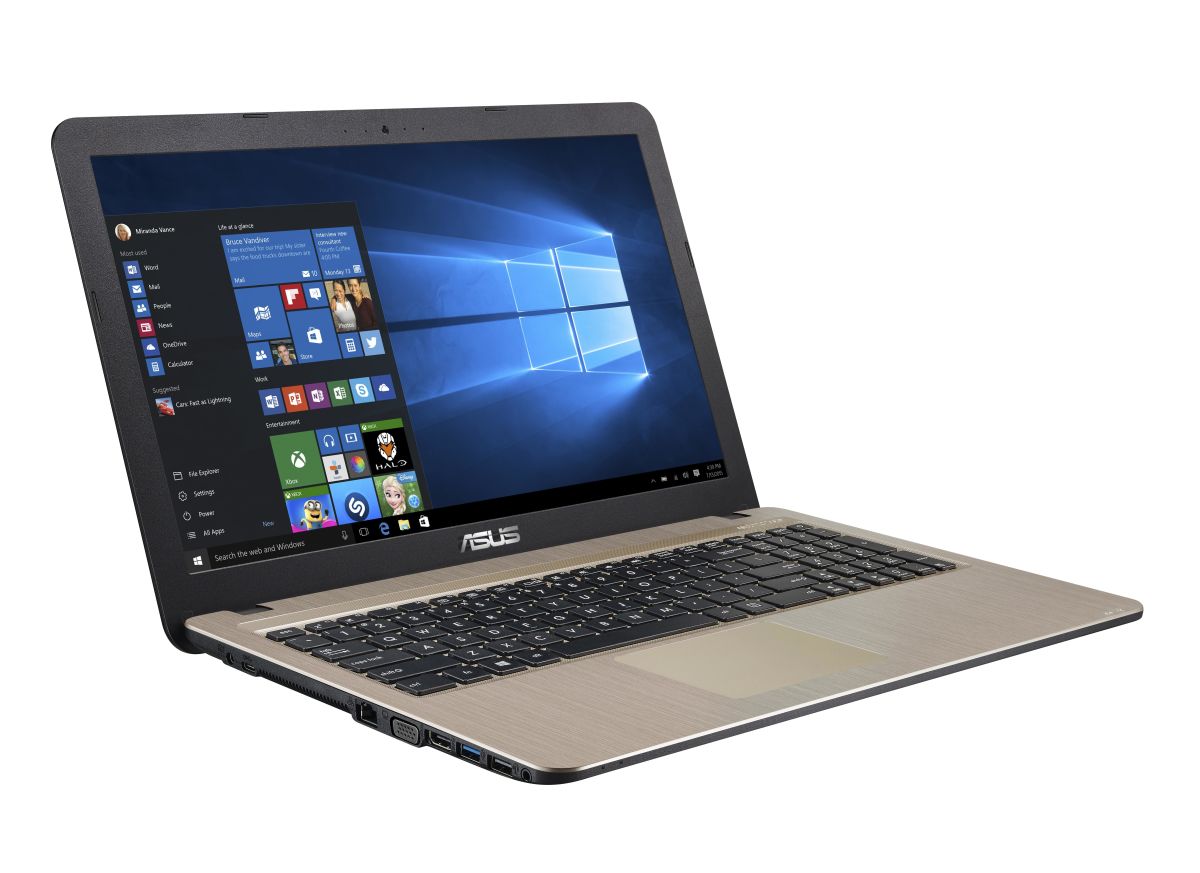
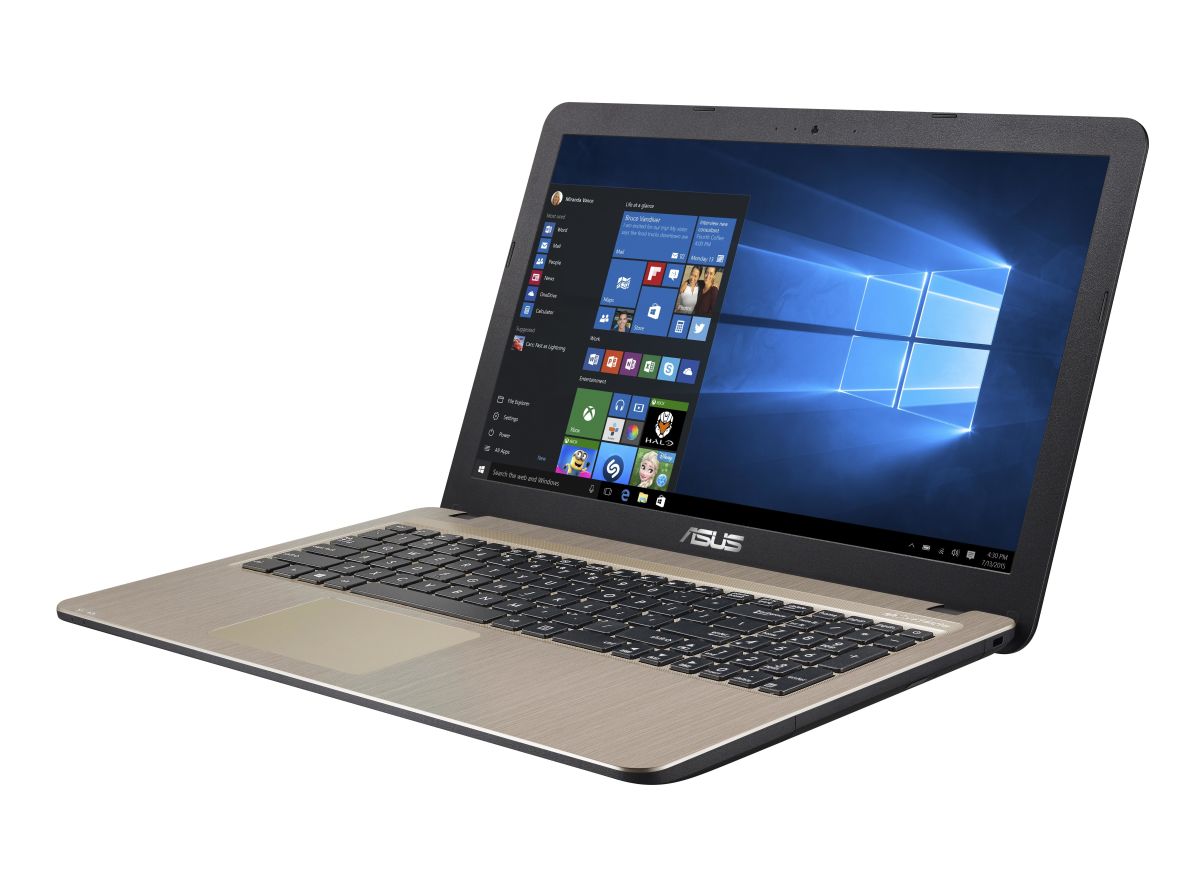
The ASUS Vivobook 15 Series X540UA-DM564R laptop features DDR4-SDRAM memory specifications with one SO-DIMM slot available for upgrade. The system includes on-board memory combined with a single expandable slot, supporting a maximum RAM capacity of 12 GB. Compatible memory operates at 2133 MHz frequency. Upgrade specifications allow installation of additional DDR4 modules in the available SO-DIMM slot to reach the maximum supported memory configuration.
Memory Upgrade Specifications
| Specification | Value |
|---|---|
| Memory slots | 1x SO-DIMM |
| Form factor | On-board + SO-DIMM |
| Memory type | DDR4-SDRAM |
| Frequency | 2133 MHz |
| Maximum RAM | 12 GB |
| Voltage | 1.2V |
| Number of pins | 260-pin |
| Interface | PC4 |
| PC Speed Rating | PC4-2133 (PC4-17064) |
| Bandwidth | 17.1 GB/s |
| Laptop Release date | 08 July 2018 |
Additional Notes
- The on-board memory component is soldered permanently to the motherboard and cannot be removed or replaced.
- The 12 GB maximum capacity indicates 4 GB of soldered memory, limiting the single SO-DIMM slot to an 8 GB module.
- Installing a module exceeding 8 GB will either prevent system boot or result in unrecognized capacity beyond the 12 GB ceiling.
- The soldered memory architecture eliminates dual-channel configuration potential, forcing the system to operate in single-channel mode regardless of module installation.
- DDR4-2133 represents the JEDEC standard baseline speed, meaning modules rated for higher frequencies will downclock to 2133 MHz.
- The SO-DIMM form factor requires 260-pin modules, incompatible with desktop 288-pin DIMM memory.
- Systems shipping with less than 4 GB installed suggest the soldered component may be 2 GB, raising the practical upgrade ceiling when paired with an 8 GB module to only 10 GB total.
- The single-slot configuration prevents memory redundancy and forces complete system downtime if the installed module fails.
- Mixing different memory specifications between the soldered component and SO-DIMM module may cause timing mismatches, though DDR4 SPD typically mitigates this through automatic adjustment.
- The absence of a second SO-DIMM slot eliminates incremental upgrade paths, requiring immediate purchase of the maximum desired capacity.
- Warranty preservation depends on whether the bottom panel access design allows SO-DIMM installation without breaking tamper seals covering other internal components.
- Operating voltage must remain at DDR4 standard 1.2V, as low-voltage or overclocking-oriented modules may introduce stability issues with the fixed soldered component.