ASUS Vivobook X540UA-DM746 RAM upgrade specifications
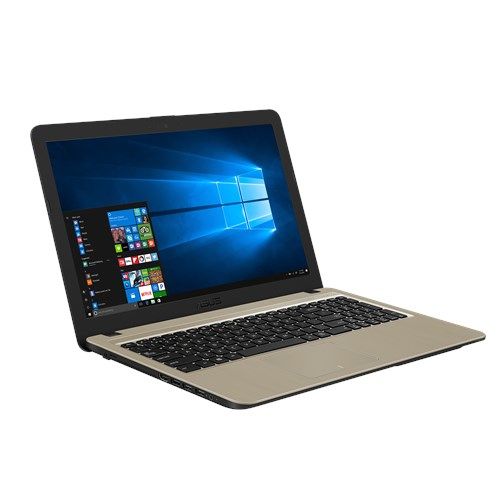
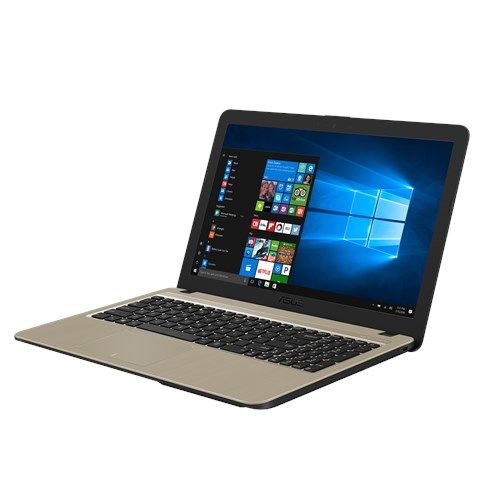
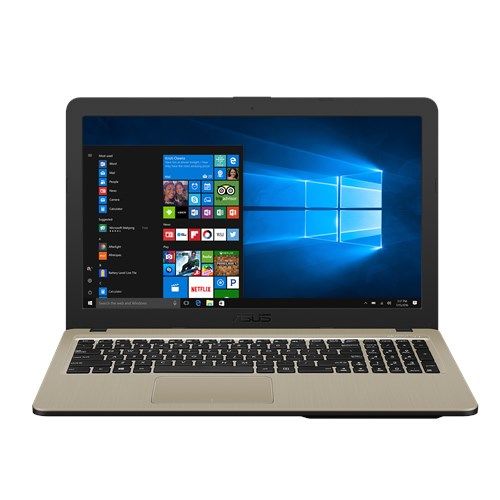
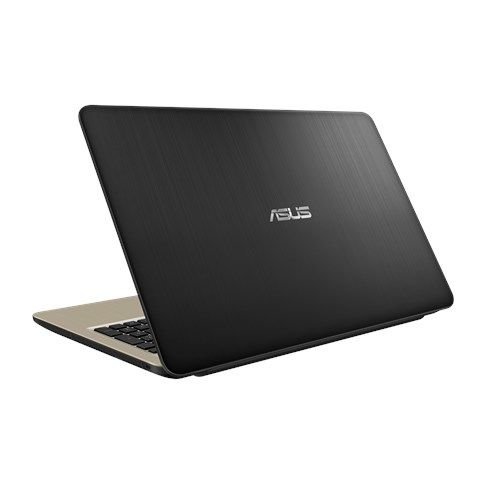
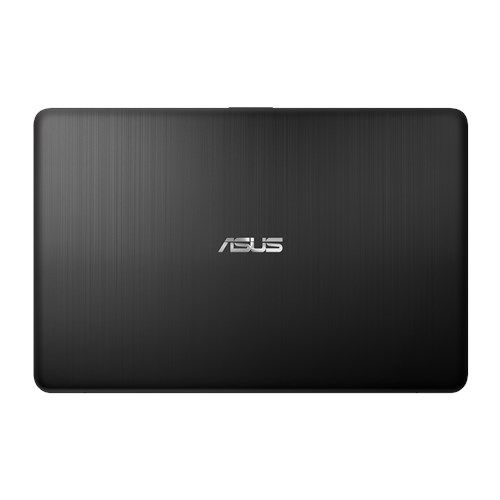
The ASUS Vivobook 15 Series X540UA-DM746 laptop supports DDR4-SDRAM memory upgrades with specifications including one SO-DIMM slot for maximum RAM capacity of 12 GB. The upgrade slot operates at 2133 MHz frequency. Memory configuration consists of on-board integrated memory combined with one replaceable SO-DIMM module. Compatible memory upgrades must meet DDR4-SDRAM specifications to ensure proper functionality with the X540UA-DM746 model.
Memory Upgrade Specifications
| Specification | Value |
|---|---|
| Memory slots | 1x SO-DIMM |
| Form factor | On-board + SO-DIMM |
| Memory type | DDR4-SDRAM |
| Frequency | 2133 MHz |
| Maximum RAM | 12 GB |
| Voltage | 1.2V |
| Number of pins | 260-pin |
| Interface | PC4 |
| PC Speed Rating | PC4-2133 (PC4-17064) |
| Bandwidth | 17.1 GB/s |
| Laptop Release date | 16 November 2018 |
Additional Notes
- The system contains soldered on-board memory that cannot be removed, limiting total capacity expansion to the single SO-DIMM slot's potential contribution rather than allowing full memory replacement.
- SO-DIMM slot compatibility is restricted to DDR4-2133 standard; attempting to install faster DDR4 modules (2400, 2666, 3200 MHz variants) will result in downclocking to 2133 MHz, wasting the performance capability of newer memory.
- The 12 GB maximum indicates approximately 4 GB soldered on-board and 8 GB SO-DIMM capacity, creating an asymmetrical memory configuration that may produce minor latency variations between on-board and slot-based memory access.
- Warranty safety requires sourcing DDR4-2133 SO-DIMM modules specifically; generic DDR4 RAM sold without speed verification risks incompatibility or system instability despite physical fit.
- The single expandable slot means no memory redundancy or future multi-module configurations are possible; upgrading requires a complete module replacement rather than adding capacity alongside existing components.
- Installation requires no thermal compound or paste reapplication and involves no soldering or micro-component work, making RAM upgrade a low-risk physical procedure with minimal technical prerequisites.