ASUS Vivobook X540UA-DM760R RAM upgrade specifications
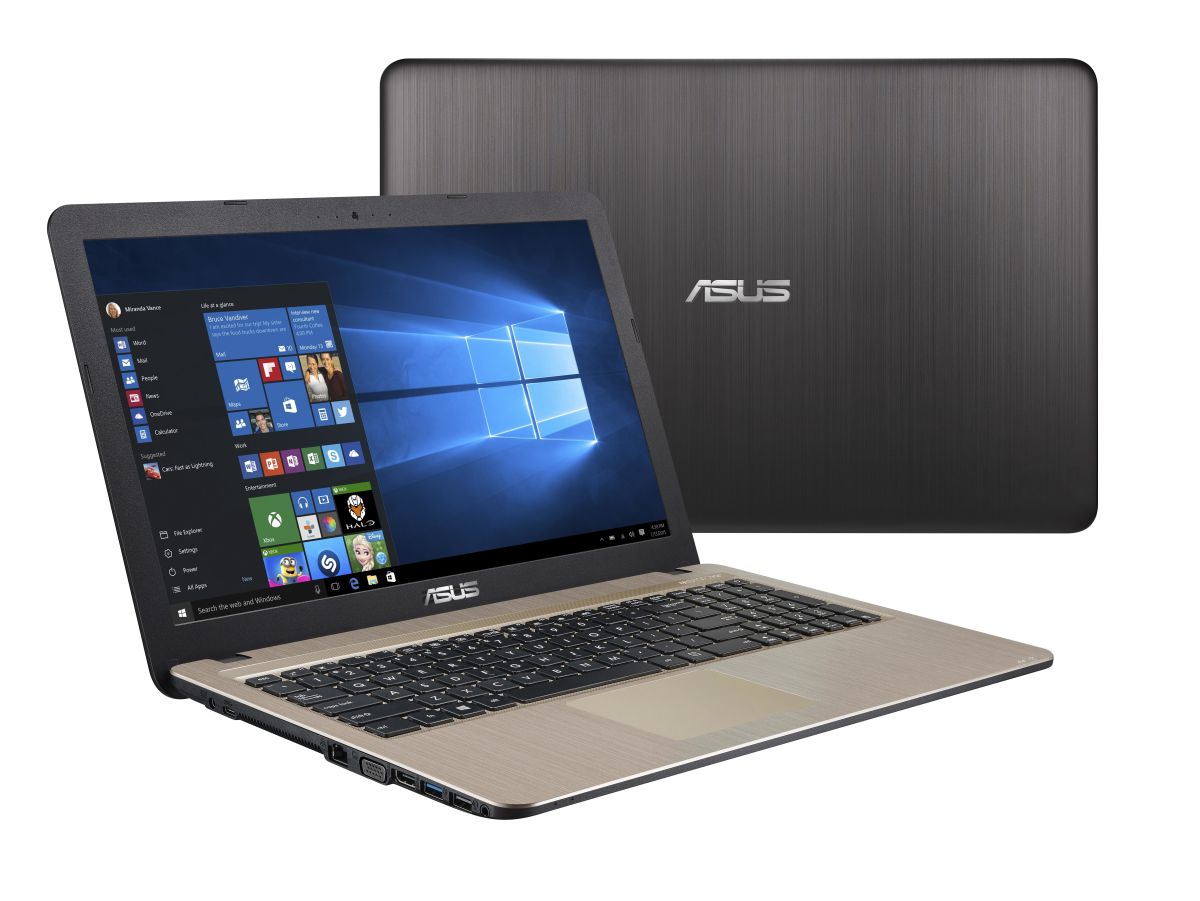

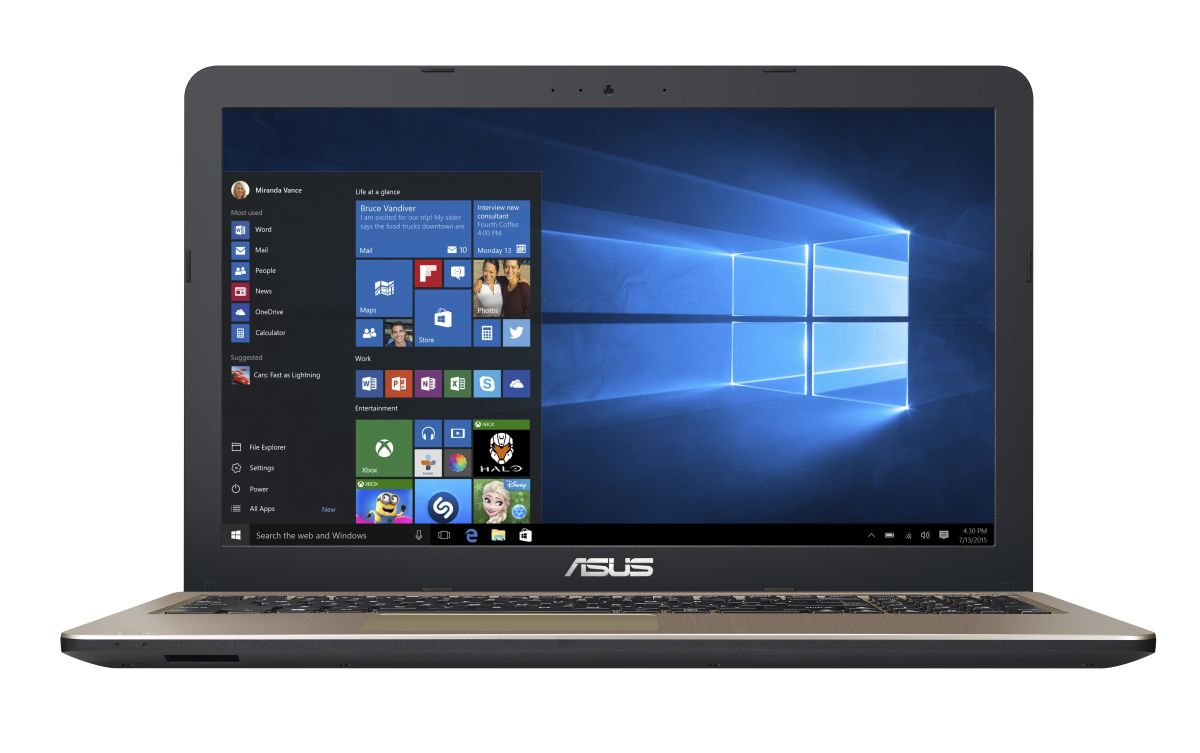
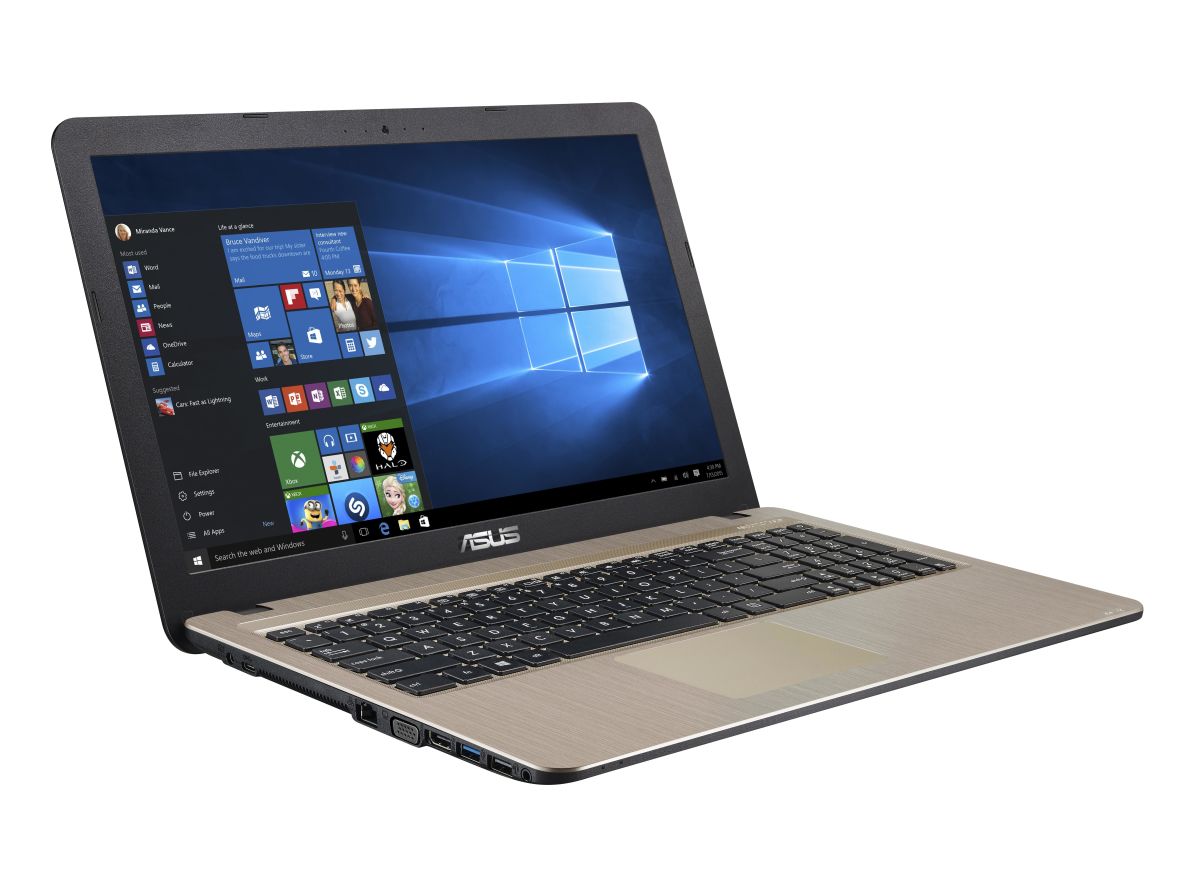
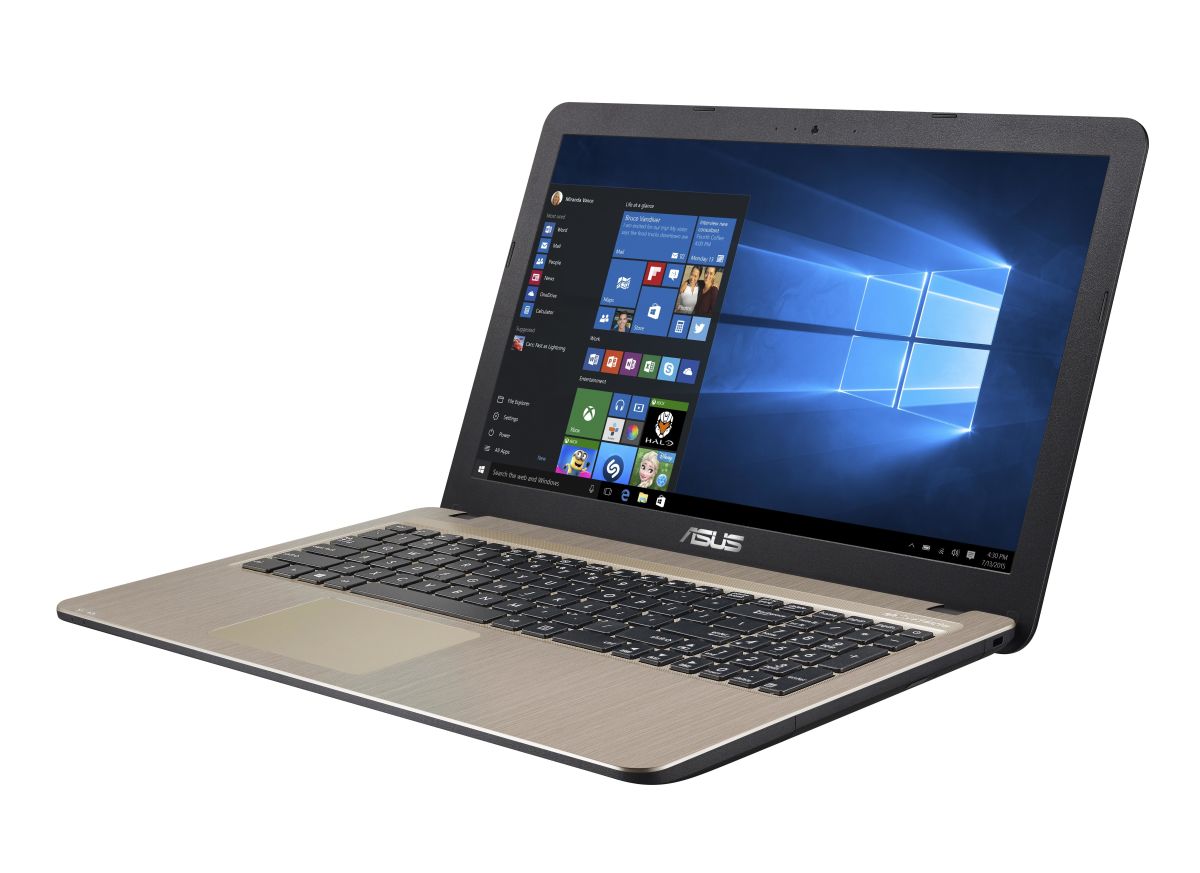
ASUS Vivobook 15 Series X540UA-DM760R RAM upgrade specifications indicate DDR4-SDRAM memory compatibility with maximum capacity of 12 GB. Laptop features one SO-DIMM memory slot for upgrades alongside onboard memory. Compatible memory modules operate at 2133 MHz frequency. Specifications define upgrade compatibility parameters for the X540UA-DM760R model within Vivobook 15 product family.
Memory Upgrade Specifications
| Specification | Value |
|---|---|
| Memory slots | 1x SO-DIMM |
| Form factor | On-board + SO-DIMM |
| Memory type | DDR4-SDRAM |
| Frequency | 2133 MHz |
| Maximum RAM | 12 GB |
| Voltage | 1.2V |
| Number of pins | 260-pin |
| Interface | PC4 |
| PC Speed Rating | PC4-2133 (PC4-17064) |
| Bandwidth | 17.1 GB/s |
| Laptop Release date | 08 July 2018 |
Additional Notes
- The presence of on-board memory dictates that any hardware failure in the primary 4 GB or 8 GB chip requires a full motherboard replacement.
- Operating in dual-channel mode is restricted to the capacity of the soldered chip, causing the remaining portion of the SO-DIMM module to function in slower single-channel mode via Intel Flex Memory Technology.
- The 12 GB maximum limit signifies a hardware-coded BIOS restriction or a physical address space limitation of the soldered memory controller combined with a single expansion slot.
- Installing a 16 GB SO-DIMM module results in a boot failure or a system-wide down-clocking since the chipset cannot address capacities beyond the 12 GB threshold.
- Thermal throttling is a risk during intensive memory tasks because integrated on-board memory lacks dedicated cooling or heat spreaders compared to desktop counterparts.
- The 2133 MHz frequency limit acts as a bottleneck for the integrated graphics processor, which relies on system RAM speed for video frame buffering and texture rendering.
- Upgrading the single available slot necessitates the removal of the existing factory module, preventing a simple additive expansion path.
- Physical access to the SO-DIMM slot involves removing the keyboard assembly and multiple internal ribbon cables, increasing the risk of mechanical damage to the input connectors during the upgrade process.
- Higher speed modules such as 2400 MHz or 3200 MHz will underclock to 2133 MHz to maintain stability with the non-removable soldered memory.