ASUS Vivobook X542UF-DM264T RAM upgrade specifications
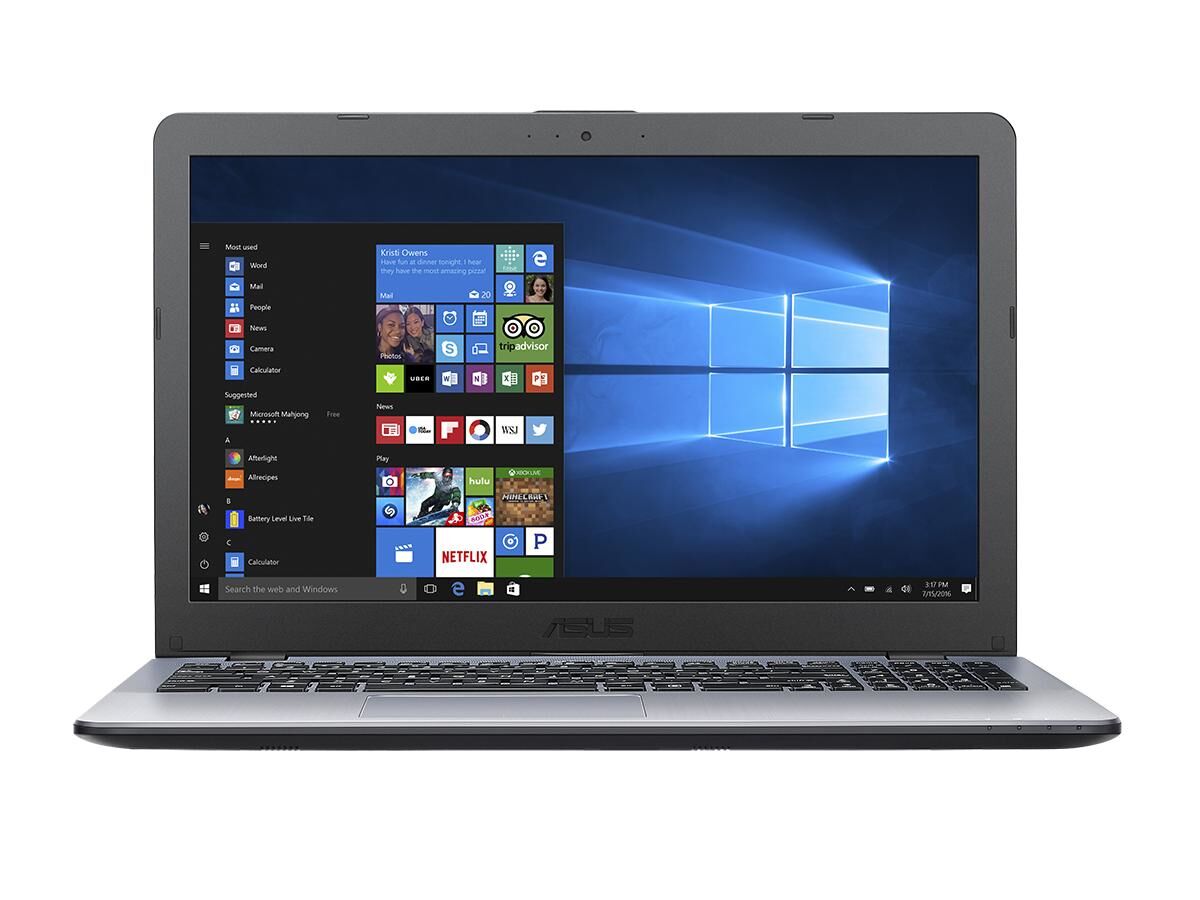
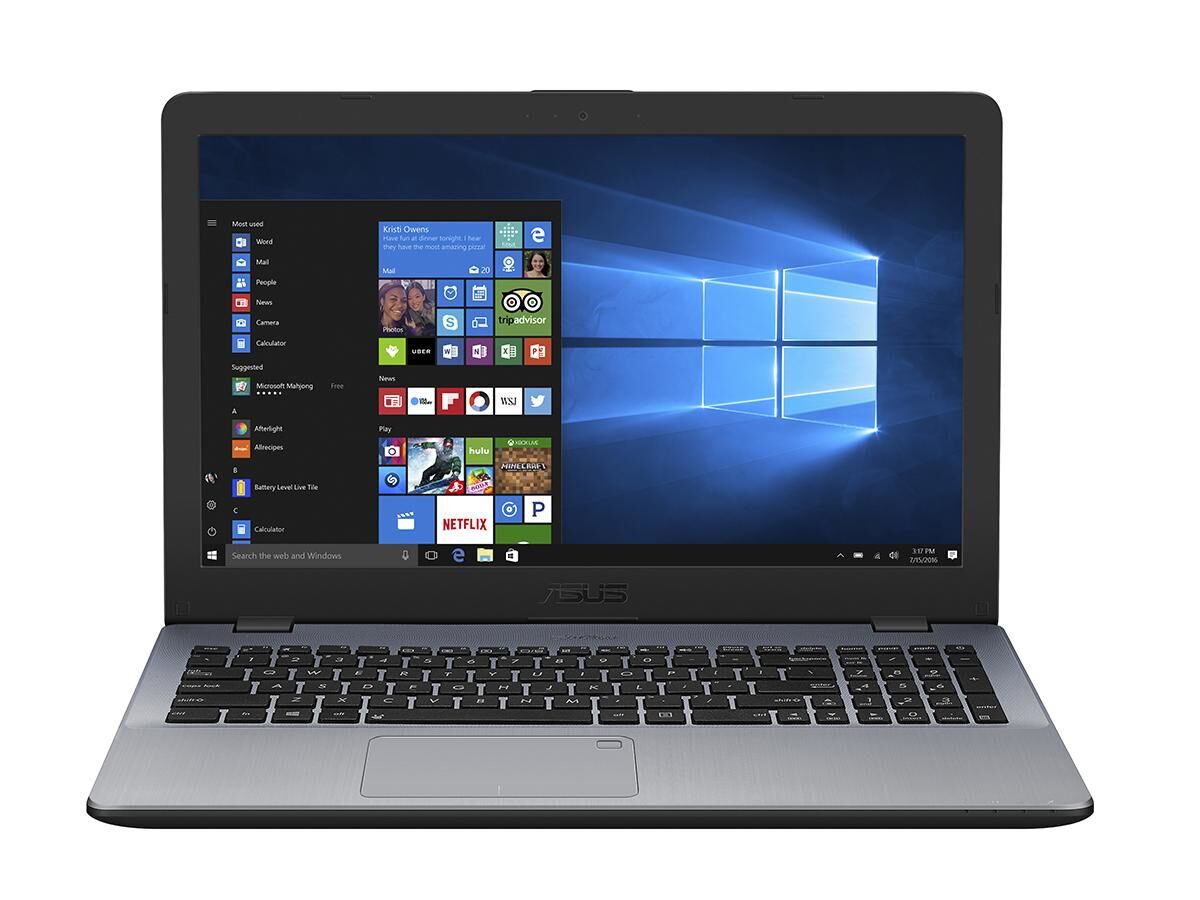
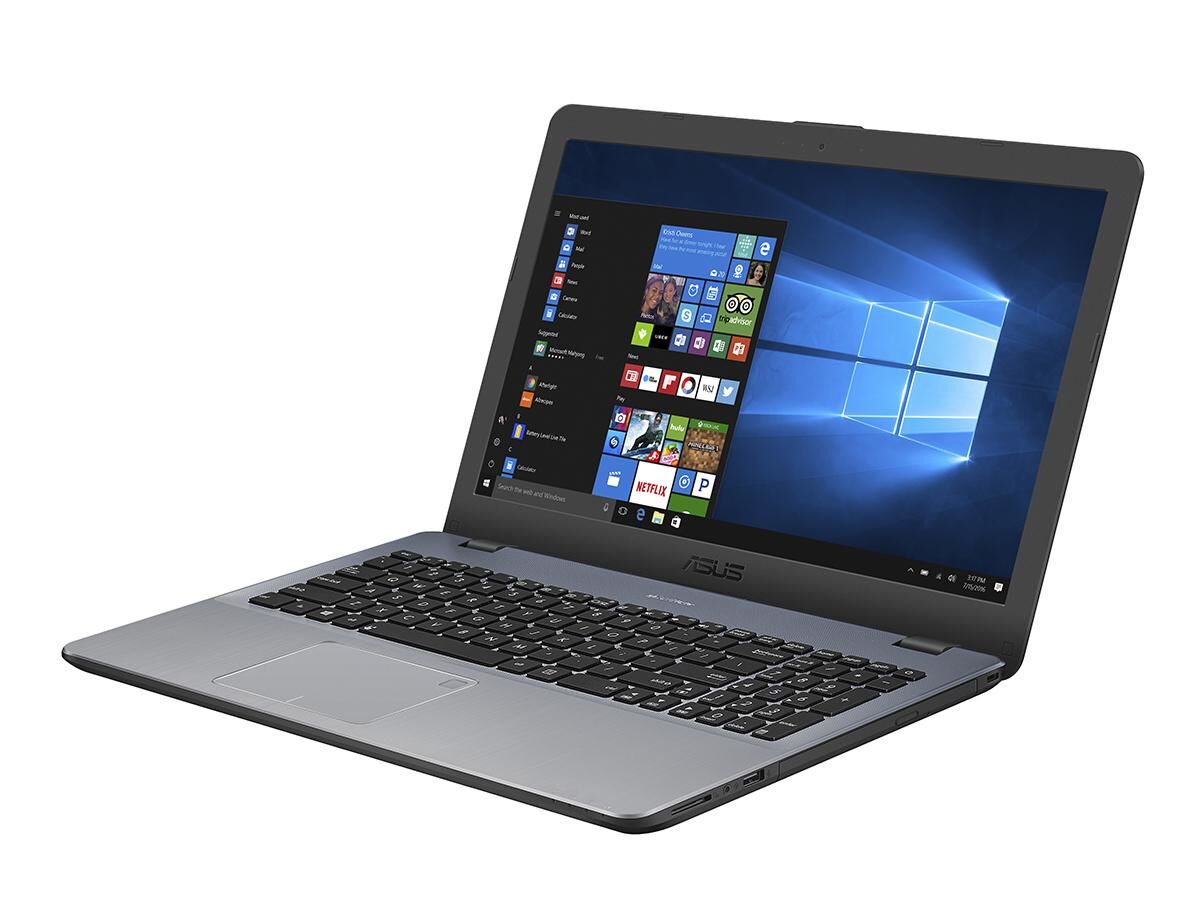
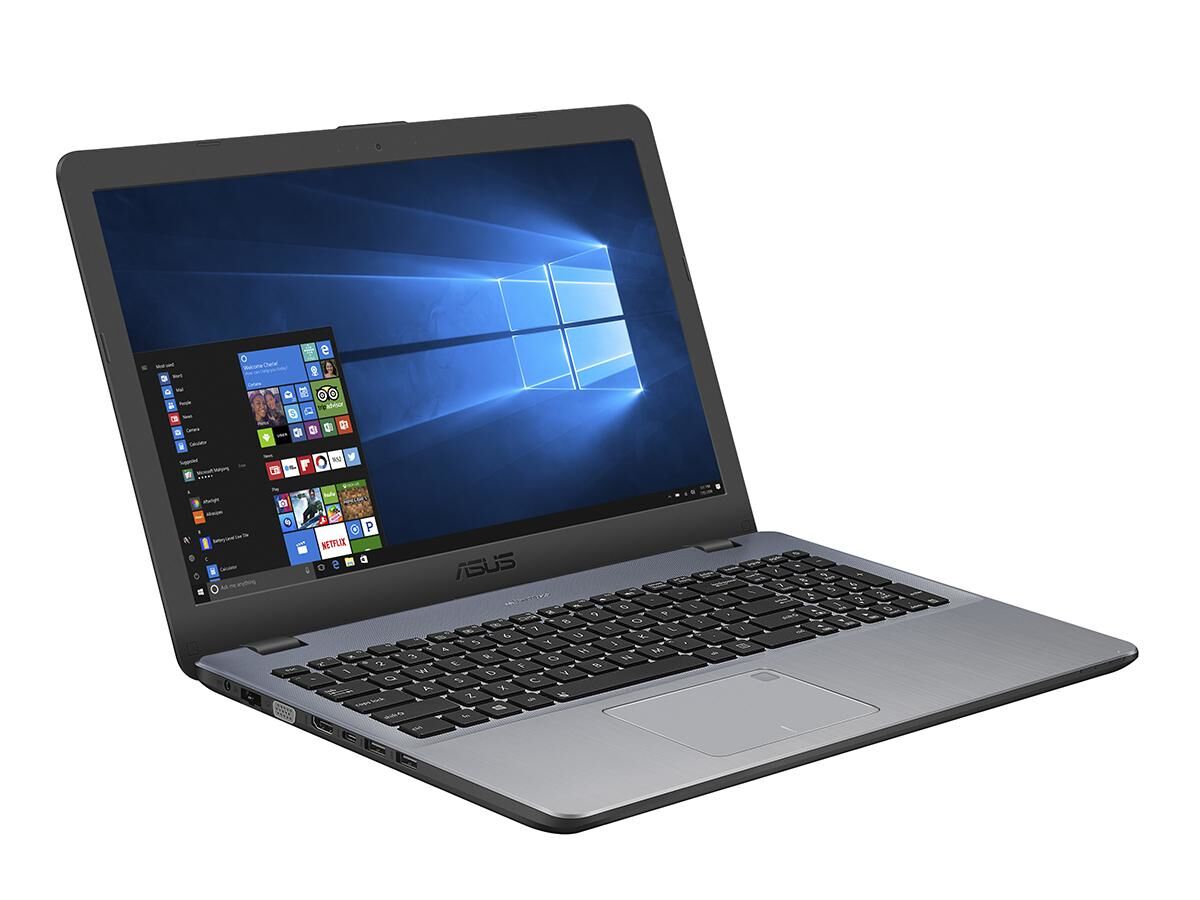
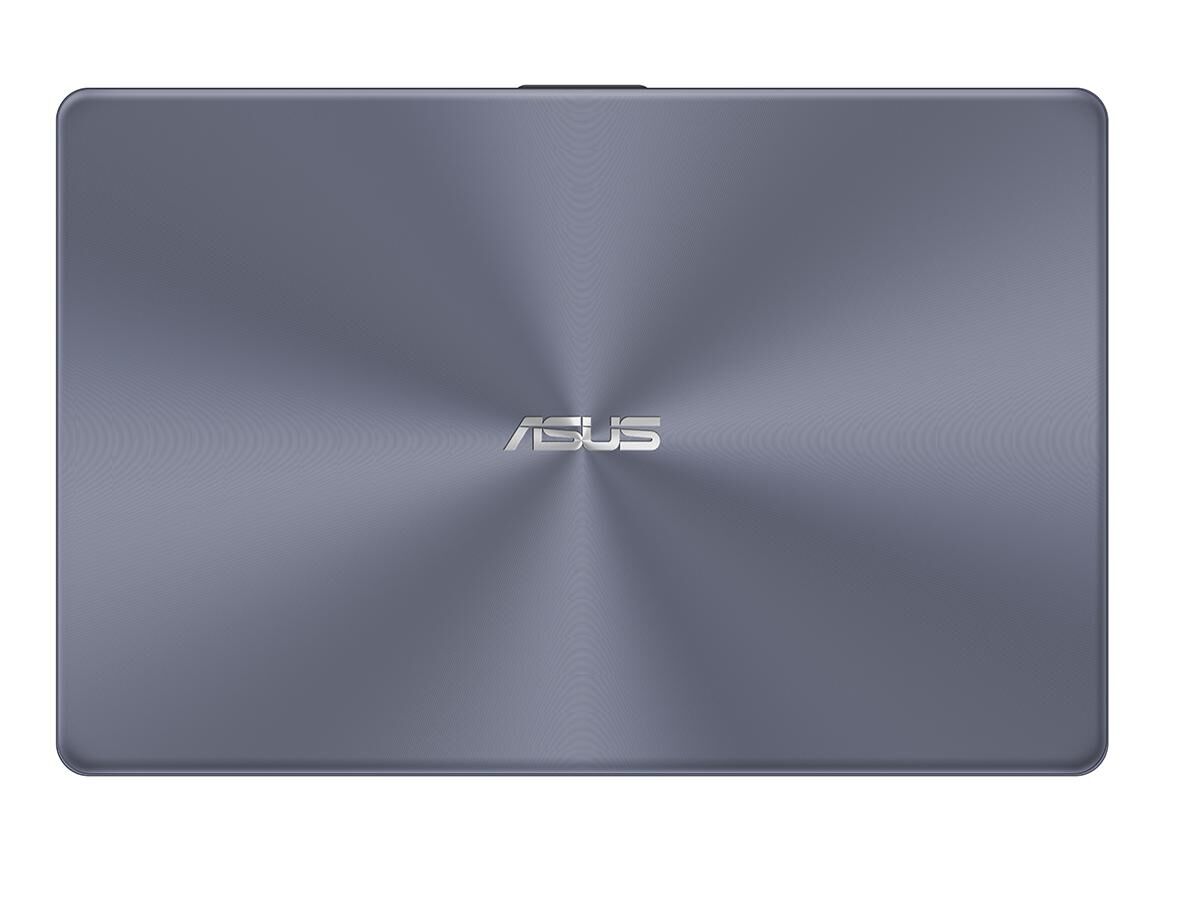
ASUS Vivobook 15 Series X542UF-DM264T RAM upgrade specifications detail memory compatibility for this laptop model. The system features two SO-DIMM slots supporting DDR4-SDRAM memory modules operating at 2133 MHz frequency. Maximum memory capacity reaches 16 GB total across both slots. Upgrade options include compatible SO-DIMM form factor modules for expanding system RAM. Current specifications indicate available memory slots and maximum supported capacity for RAM expansion on the X542UF-DM264T model.
Memory Upgrade Specifications
| Specification | Value |
|---|---|
| Memory slots | 2x SO-DIMM |
| Form factor | SO-DIMM |
| Memory type | DDR4-SDRAM |
| Frequency | 2133 MHz |
| Maximum RAM | 16 GB |
| Voltage | 1.2V |
| Number of pins | 260-pin |
| Interface | PC4 |
| PC Speed Rating | PC4-2133 (PC4-17064) |
| Bandwidth | 17.1 GB/s |
| Laptop Release date | 02 September 2019 |
Additional Notes
- The ASUS Vivobook X542UF-DM264T accepts only non-ECC unbuffered modules, as standard consumer DDR4 SO-DIMM specifications exclude registered or error-correcting variants.
- The 16 GB ceiling requires either a single 16 GB module in one slot or dual 8 GB modules, as the chipset enforces per-slot and total capacity restrictions.
- Operating at 2133 MHz restricts compatibility to JEDEC-standard DDR4-2133 modules, while higher-rated modules will downclock but may introduce stability risks if XMP profiles conflict with BIOS limitations.
- Dual-channel operation demands matched module pairs in both slots to enable simultaneous 64-bit pathways, otherwise defaulting to single-channel mode with halved memory bandwidth.
- The SO-DIMM form factor physically prevents installation of full-size DIMM modules designed for desktop systems due to pin count and notch positioning differences.
- Voltage must conform to DDR4 standard 1.2V specifications, as low-voltage or overclocking-oriented modules rated at 1.35V or higher may cause POST failures or thermal management issues.
- Mixing modules with different latencies forces the memory controller to adopt the slowest timing across all installed capacity, degrading performance below the faster module's rated specifications.
- Access to memory slots may require complete bottom panel removal and potential warranty seal breach, depending on service cover design implementation.
- The 8th-generation Intel processor architecture supporting this platform lacks native support for DDR4 speeds exceeding 2400 MHz without overclocking, making the 2133 MHz specification a conservative baseline.
- Single-rank versus dual-rank module topology affects interleaving efficiency, with dual-rank configurations offering marginal performance gains in memory-intensive workloads when paired identically.