ASUS Vivobook X542UF-DM337 RAM upgrade specifications
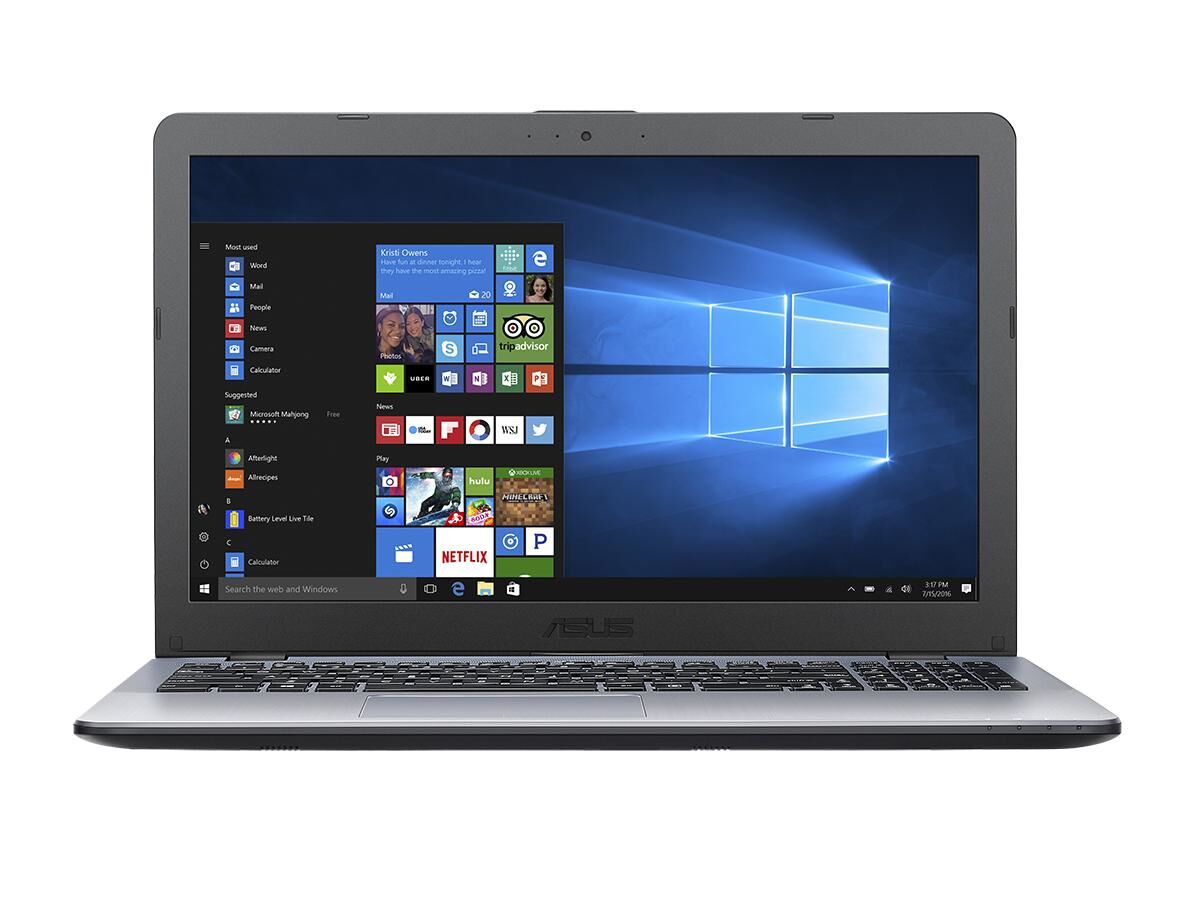
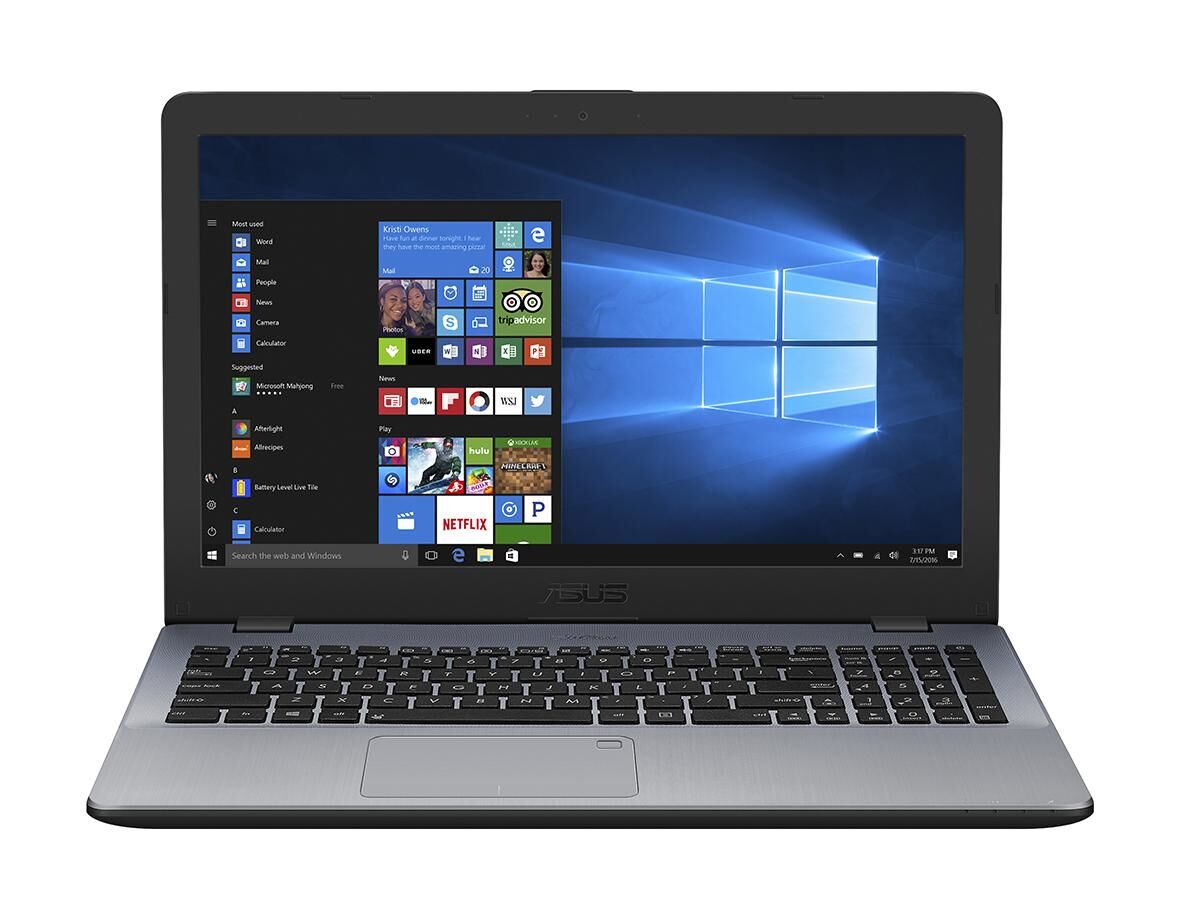
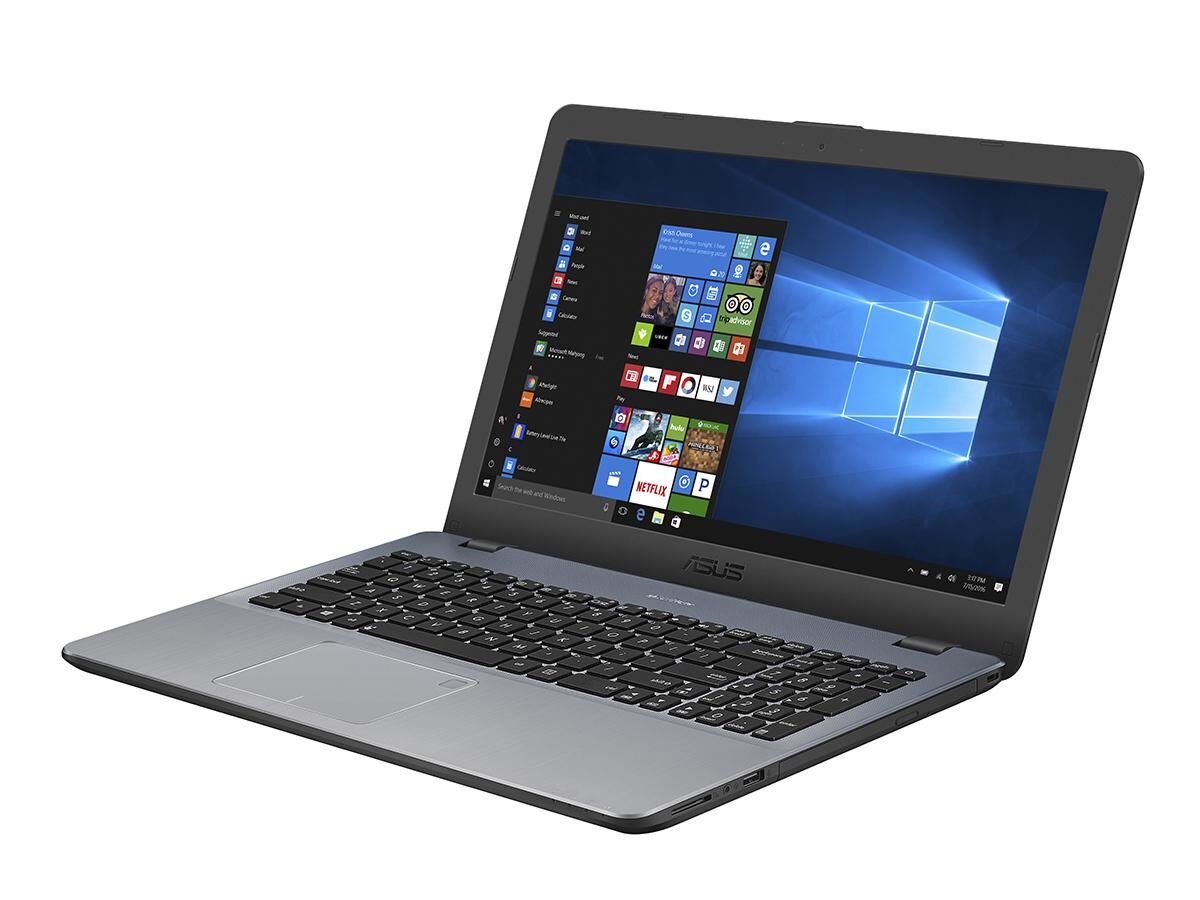
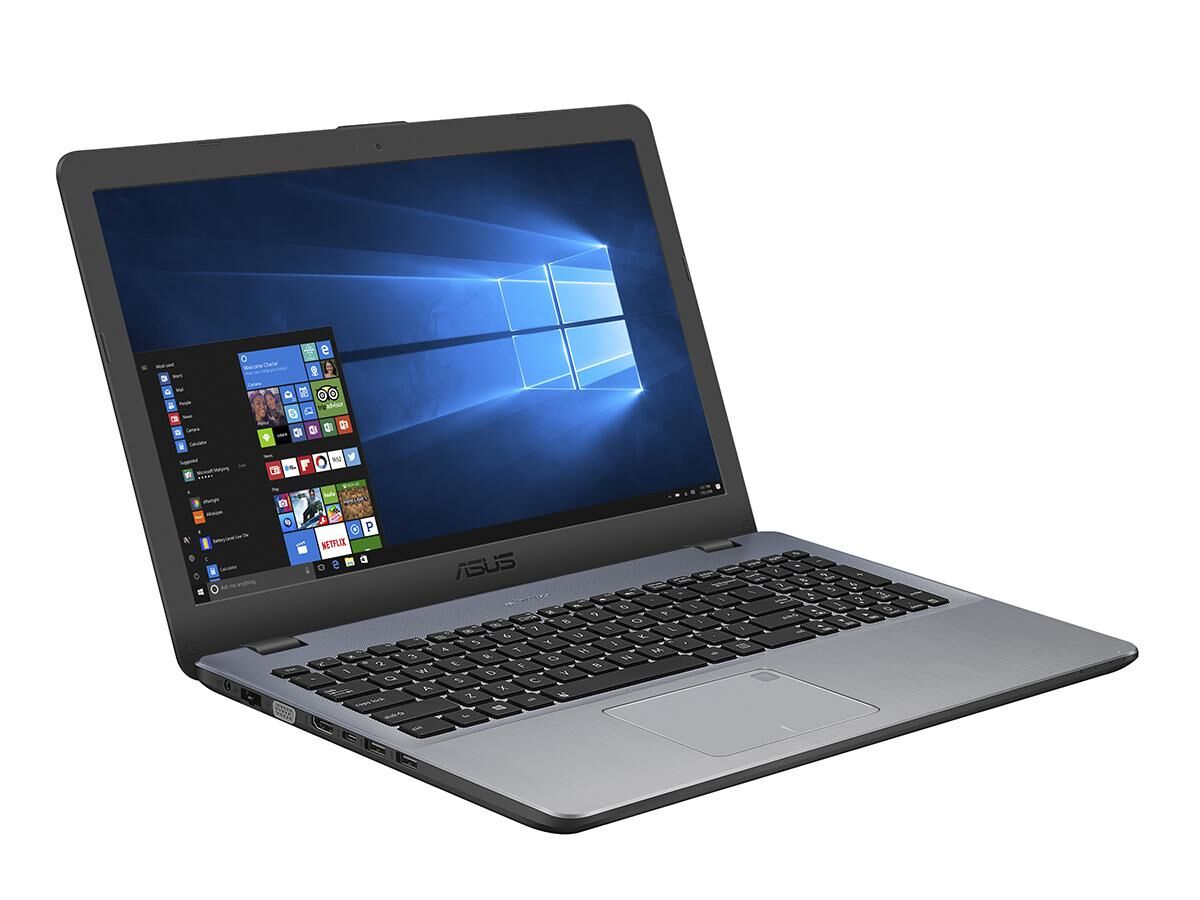
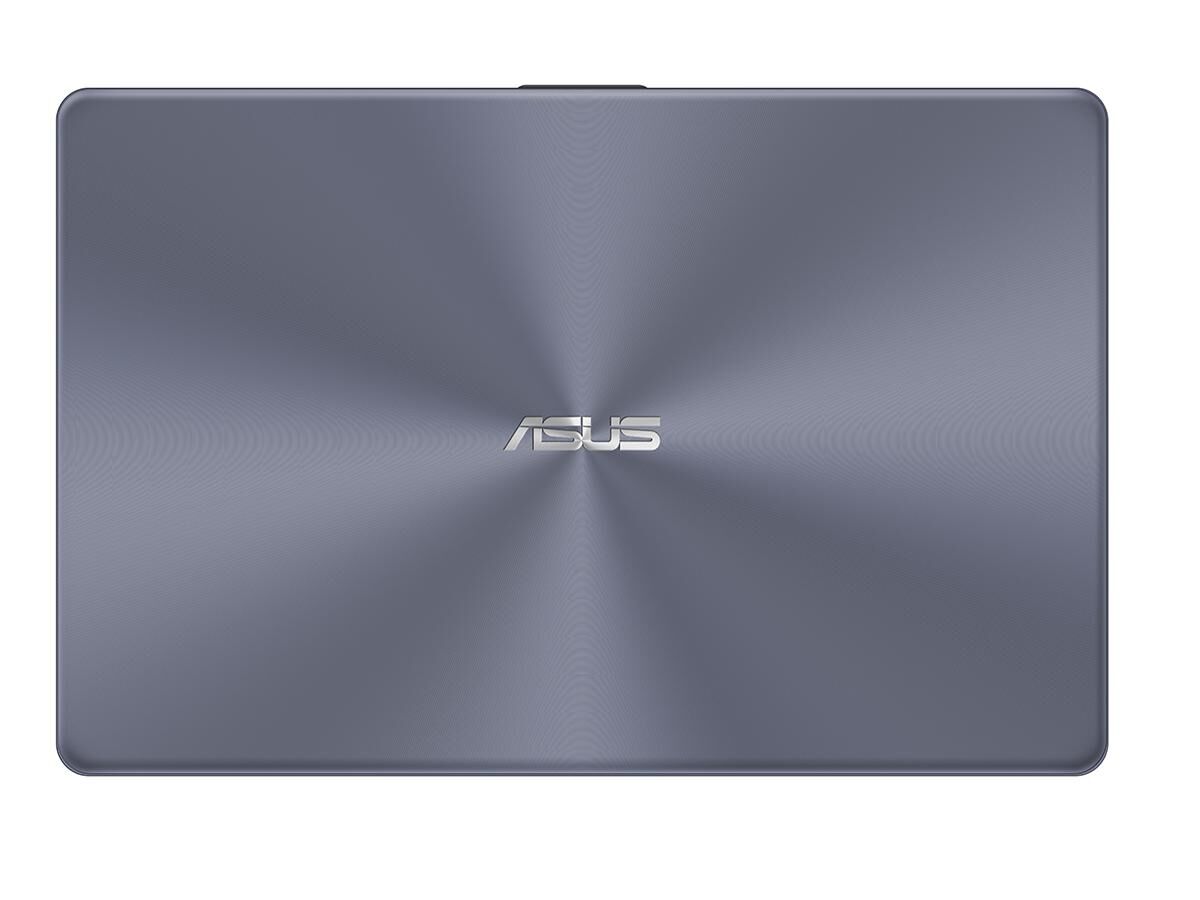
The ASUS Vivobook 15 Series X542UF-DM337 laptop features two SO-DIMM memory slots for DDR4-SDRAM upgrade capability. Maximum RAM capacity reaches 16 GB total, with compatible modules operating at 2133 MHz frequency. Memory specifications support DDR4 SO-DIMM form factor upgrades, allowing users to expand system memory according to specifications. Compatible RAM modules must match DDR4-SDRAM type and SO-DIMM slot requirements for proper compatibility with this laptop model.
Memory Upgrade Specifications
| Specification | Value |
|---|---|
| Memory slots | 2x SO-DIMM |
| Form factor | SO-DIMM |
| Memory type | DDR4-SDRAM |
| Frequency | 2133 MHz |
| Maximum RAM | 16 GB |
| Voltage | 1.2V |
| Number of pins | 260-pin |
| Interface | PC4 |
| PC Speed Rating | PC4-2133 (PC4-17064) |
| Bandwidth | 17.1 GB/s |
| Laptop Release date | 04 May 2020 |
Additional Notes
- The ASUS Vivobook X542UF-DM337 operates on the DDR4 2133 MHz standard, which limits peak theoretical bandwidth to approximately 17 GB/s per channel, potentially creating bottlenecks in applications that require sustained high-speed data transfers such as large file compression or high-resolution video editing.
- The 16 GB maximum capacity constraint originates from chipset architecture limitations rather than physical slot restrictions, meaning installations exceeding this threshold will either fail POST or operate at reduced capacity.
- Both SO-DIMM slots accept standard 260-pin modules, which differ physically from desktop DIMM configurations and require verification of module height clearance beneath the chassis bottom cover to prevent enclosure damage during reassembly.
- Dual-channel memory architecture requires matched pairs in both slots to achieve optimal bandwidth utilization, as asymmetric configurations will force the system into single-channel mode and effectively halve memory throughput.
- DDR4 modules rated above 2133 MHz will function but automatically downclock to match the supported frequency specification, making higher-speed premium modules economically inefficient unless planned for future system migration.
- Non-ECC unbuffered SO-DIMM modules maintain compatibility with consumer-grade memory controllers in this model, whereas ECC or registered variants designed for workstation platforms will trigger incompatibility errors.
- Access to memory slots typically requires complete bottom panel removal and potential warranty seal breakage, depending on regional service policies and whether the manufacturer designates memory as user-serviceable components.
- Mixed-capacity configurations such as 4 GB plus 8 GB modules remain functionally viable but may introduce minor latency variations during inter-module memory access patterns compared to identical capacity pairings.
- Operating voltage standardized at 1.2V for DDR4 eliminates low-voltage module considerations that affected DDR3L compatibility decisions, simplifying module selection criteria.
- Single-rank versus dual-rank module topology affects total addressable memory banking, with dual-rank configurations offering slight performance advantages in bandwidth-intensive workloads despite identical total capacity.