ASUS Vivobook X542UF-DM418T RAM upgrade specifications
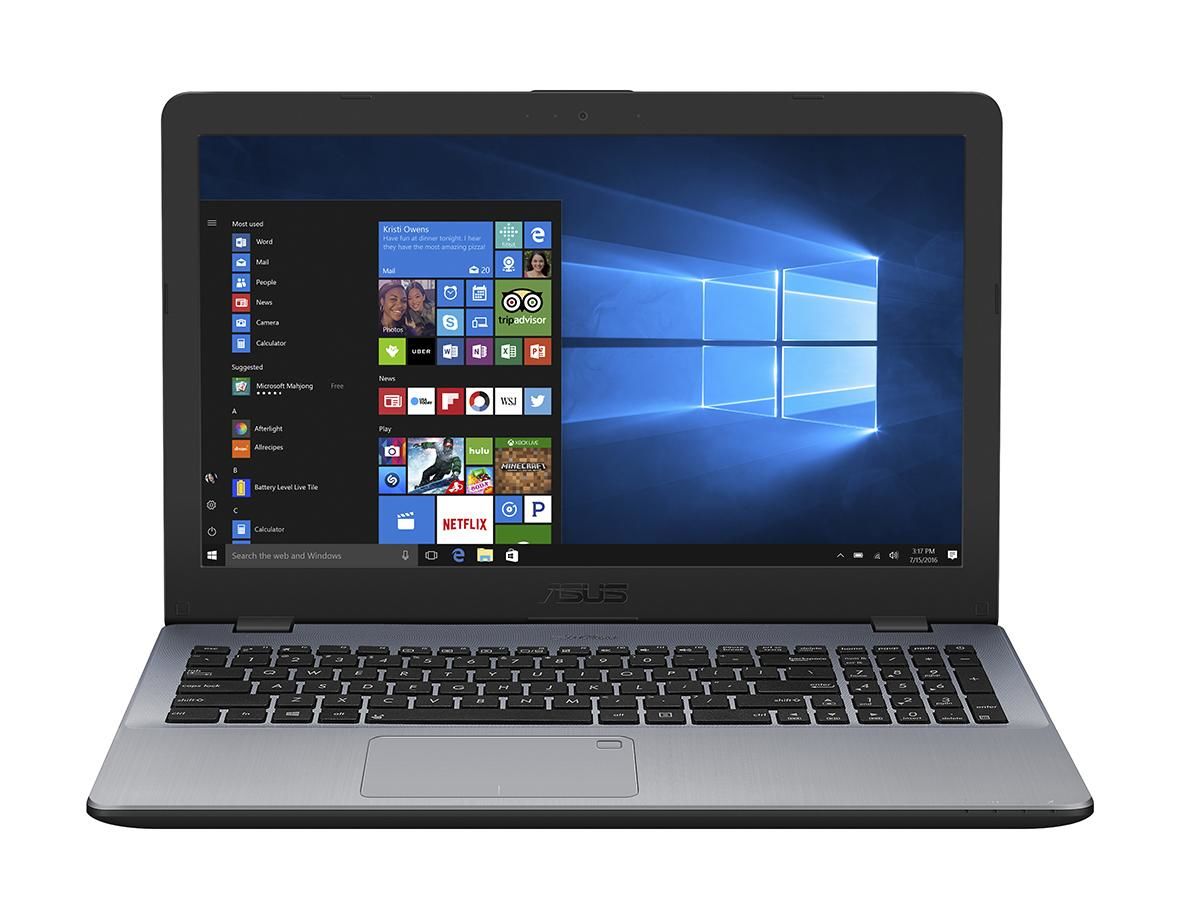
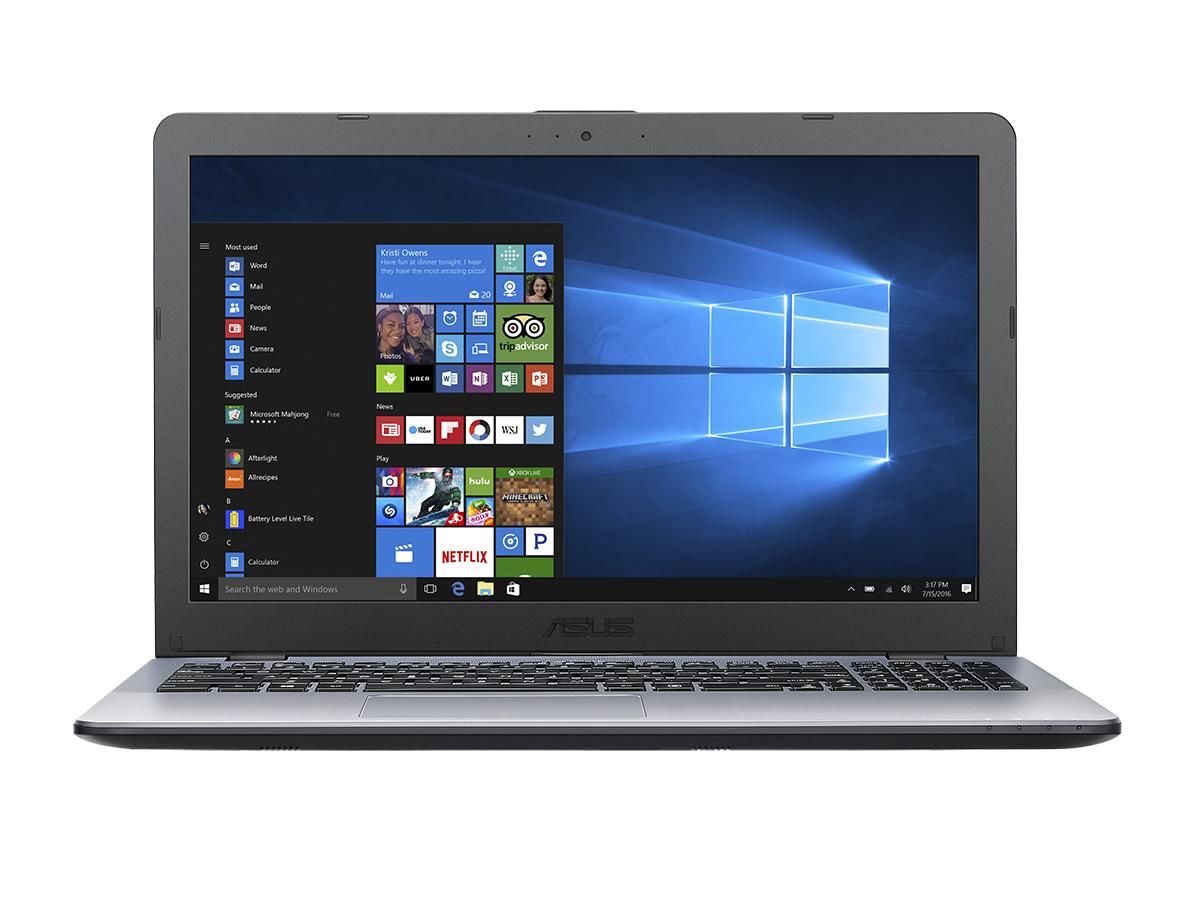
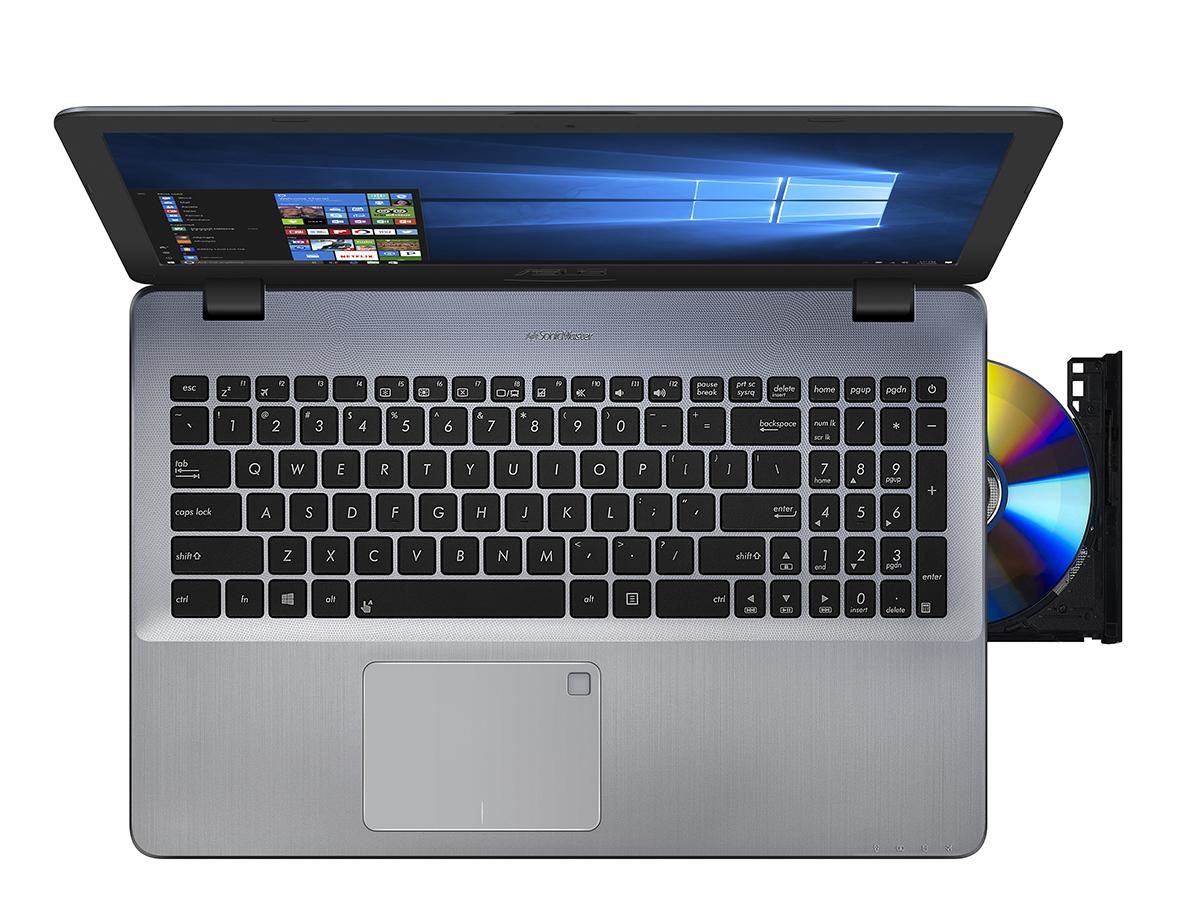
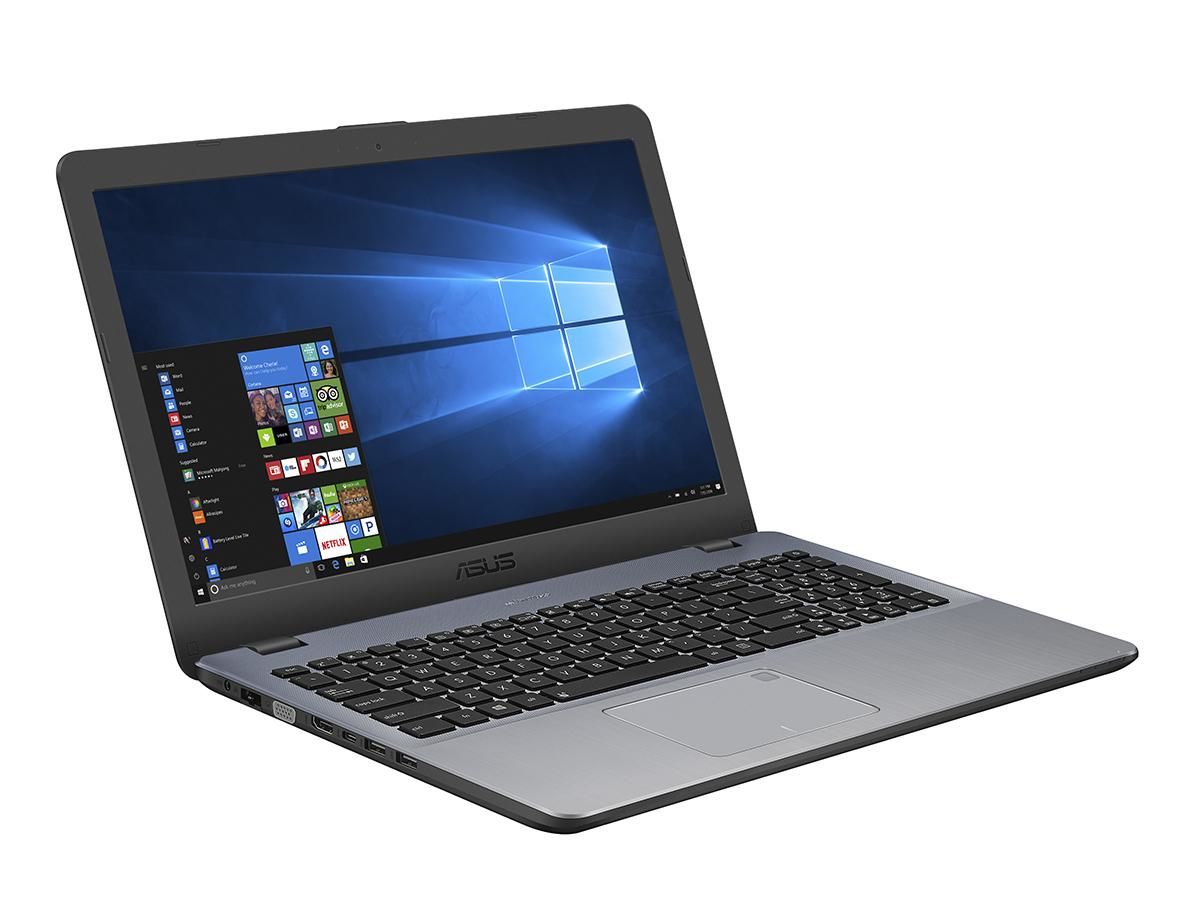
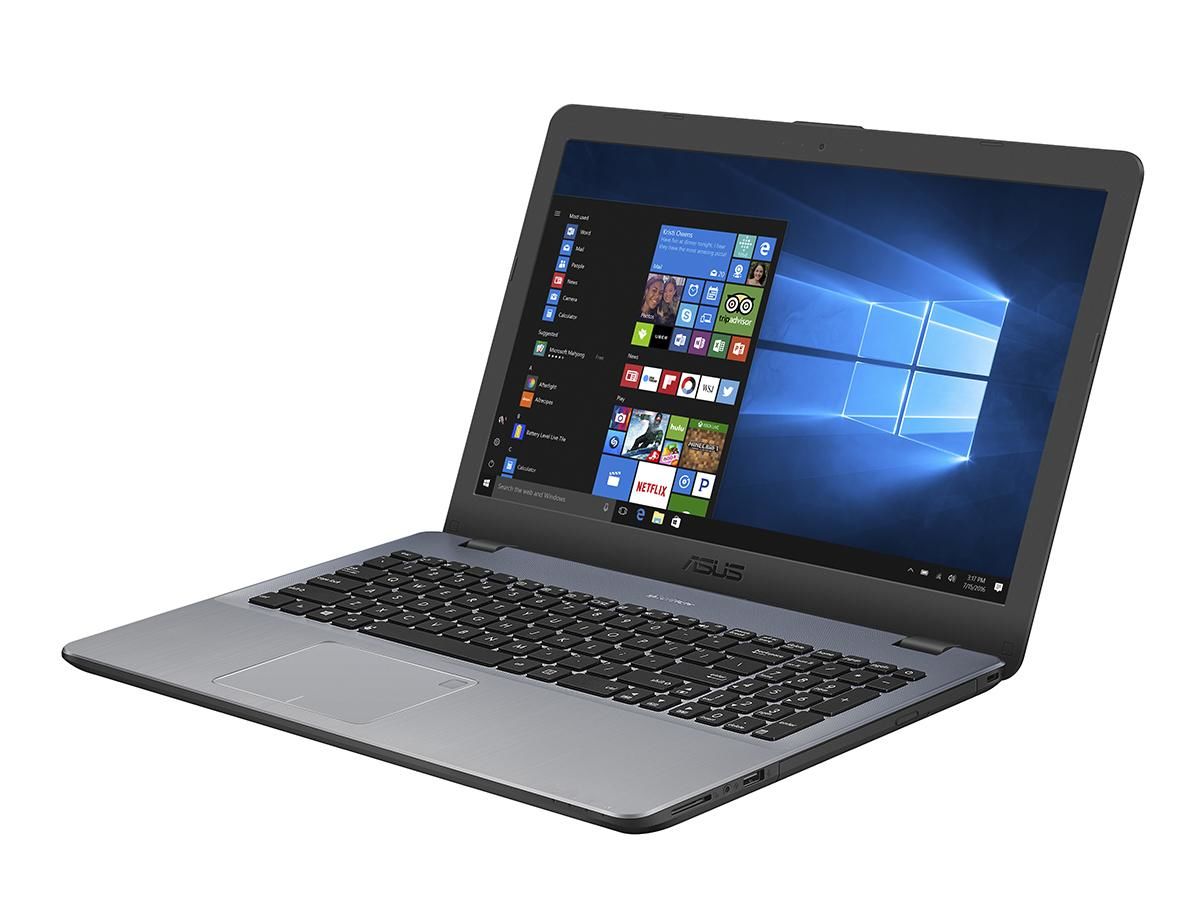
The ASUS Vivobook 15 Series X542UF-DM418T laptop features DDR4-SDRAM memory upgrade specifications compatible with 2x SO-DIMM slots. Maximum RAM capacity reaches 16 GB total, with DDR4 modules operating at 2133 MHz frequency. Upgrade slots accommodate standard SO-DIMM form factor memory modules. Specifications support RAM expansion for enhanced multitasking performance on this Vivobook 15 Series model.
Memory Upgrade Specifications
| Specification | Value |
|---|---|
| Memory slots | 2x SO-DIMM |
| Form factor | SO-DIMM |
| Memory type | DDR4-SDRAM |
| Frequency | 2133 MHz |
| Maximum RAM | 16 GB |
| Voltage | 1.2V |
| Number of pins | 260-pin |
| Interface | PC4 |
| PC Speed Rating | PC4-2133 (PC4-17064) |
| Bandwidth | 17.1 GB/s |
| Laptop Release date | 12 September 2018 |
Additional Notes
- The 2133 MHz frequency represents DDR4 low-power specification, which limits bandwidth to approximately 17 GB/s per channel. Upgrading to higher-frequency DDR4 modules (2400 MHz or above) will not improve performance due to BIOS lock-in on this model, as the memory controller enforces the native 2133 MHz timing.
- SO-DIMM form factor restricts upgrade options to laptop-grade modules only. Desktop DDR4 (UDIMM) and server (RDIMM) variants are physically incompatible and will not seat in the 2 slots available.
- The 16 GB maximum capacity ceiling means a dual-slot configuration supports only 2x8 GB modules at maximum. Single 16 GB SO-DIMM modules exist but may not be recognized by this model's BIOS, requiring verification before purchase.
- Asymmetric memory population (for example, 1x16 GB + 1x4 GB) will force the system into single-channel mode for the 4 GB module, degrading memory bandwidth utilization and creating a performance penalty on workloads sensitive to memory throughput.
- DDR4-2133 SO-DIMM modules are no longer in active production; sourcing replacements or additional sticks for mismatched configurations will require secondary market purchases, increasing cost and compatibility risk.
- The 2-slot architecture prevents staged memory expansion. Upgrading from the factory configuration requires removing existing modules entirely, as no free slots remain for additive installation.