ASUS Vivobook M712DA-AU134T-BE RAM upgrade specifications
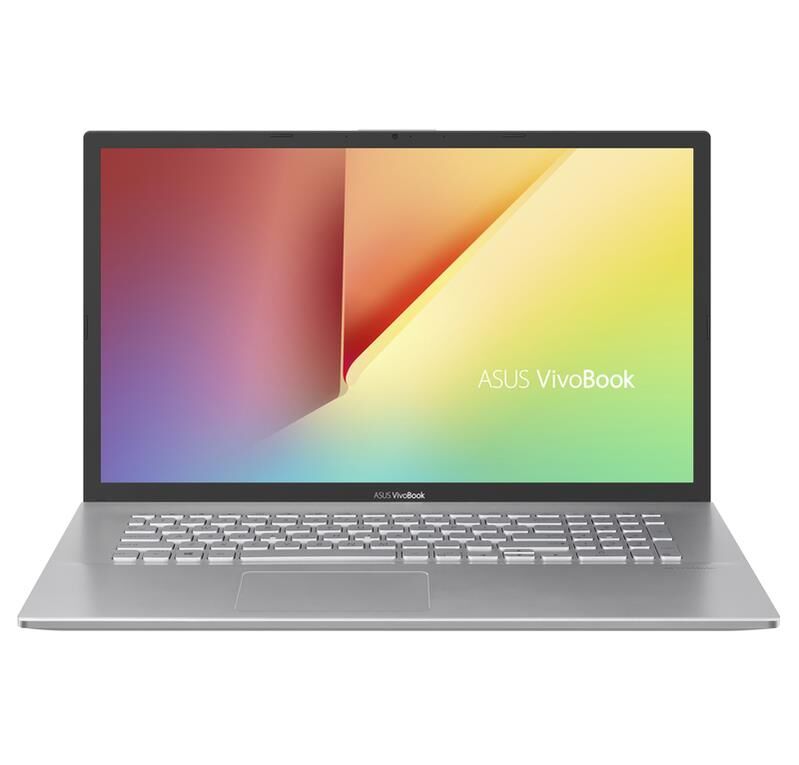
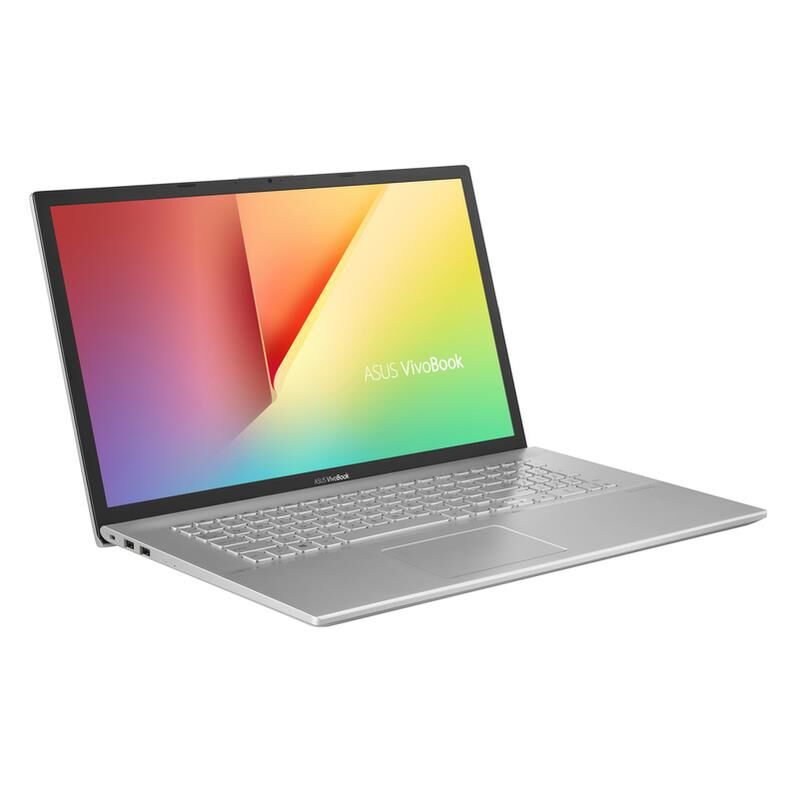
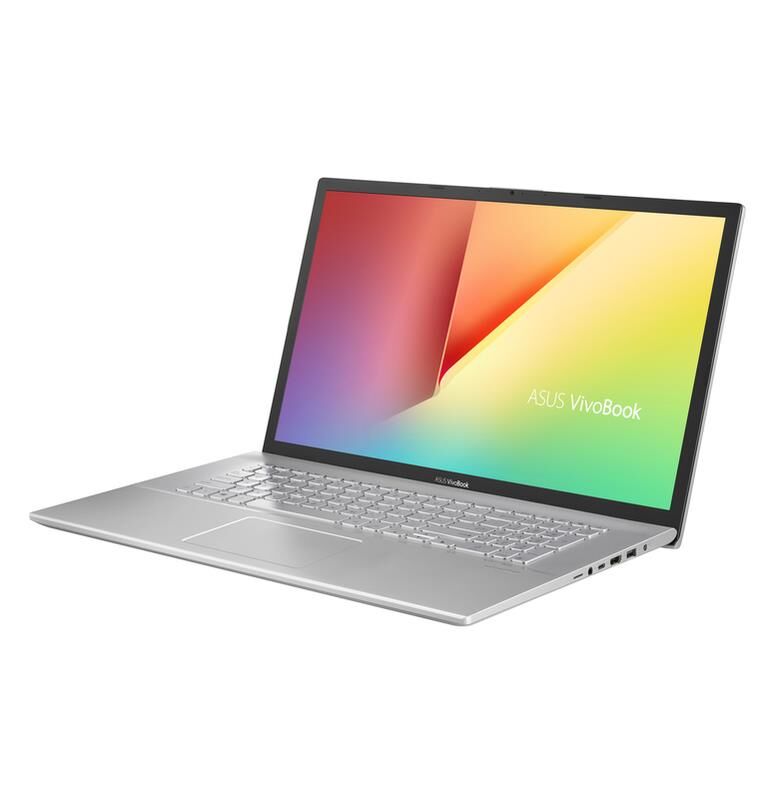
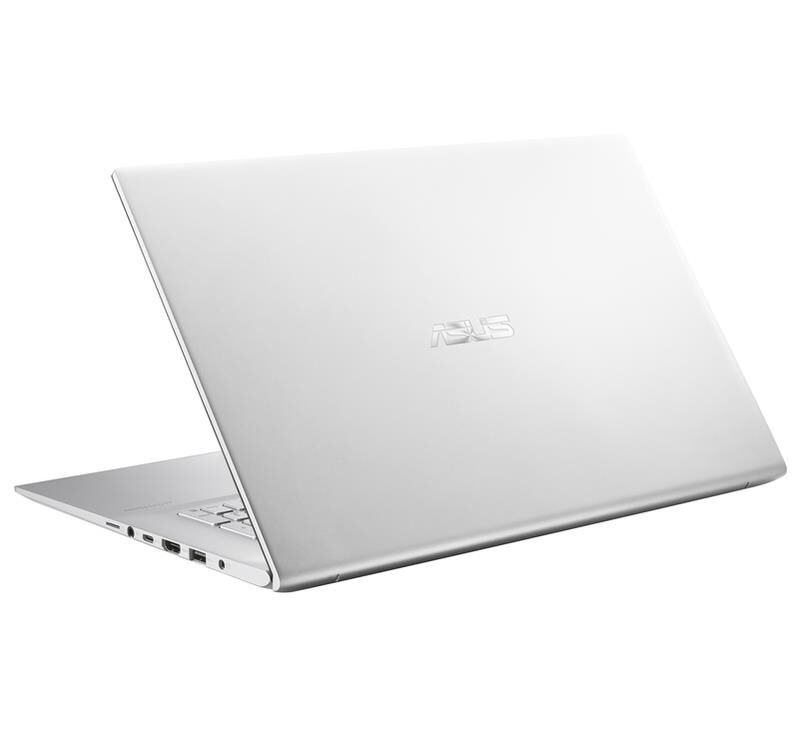
ASUS Vivobook Series 17 Model M712DA-AU134T-BE features DDR4-SDRAM memory configuration with one SO-DIMM slot available for upgrade. The laptop contains on-board memory paired with one upgradeable SO-DIMM slot, supporting maximum RAM capacity of 12 GB at 2400 MHz frequency. Memory upgrade specifications are compatible with DDR4-SDRAM modules, allowing users to expand the system's total memory capacity through the available SO-DIMM slot. The maximum supported memory configuration reaches 12 GB total across all slots for this specific ASUS Vivobook 17 model.
Memory Upgrade Specifications
| Specification | Value |
|---|---|
| Memory slots | 1x SO-DIMM |
| Form factor | On-board + SO-DIMM |
| Memory type | DDR4-SDRAM |
| Frequency | 2400 MHz |
| Maximum RAM | 12 GB |
| Voltage | 1.2V |
| Number of pins | 260-pin |
| Interface | PC4 |
| PC Speed Rating | PC4-2400 (PC4-19200) |
| Bandwidth | 19.2 GB/s |
| Laptop Release date | 06 March 2020 |
Additional Notes
- The ASUS Vivobook M712DA-AU134T-BE features a hybrid memory architecture with soldered RAM on the motherboard combined with a single SO-DIMM slot, restricting total capacity expansion compared to dual-slot configurations.
- The 12 GB maximum capacity indicates 4 GB of permanently soldered memory, limiting the user-installable SO-DIMM module to 8 GB to remain within the system's addressing capability.
- Installing a module larger than 8 GB will either fail to be recognized or cause the system to cap at 12 GB total, wasting the excess capacity and financial investment.
- The single SO-DIMM slot prevents dual-channel memory operation across both modules, potentially reducing memory bandwidth by up to 50% in applications that benefit from parallel memory access.
- The 2400 MHz frequency specification represents a baseline DDR4 speed, and installing a higher-frequency module (such as 2666 MHz or 3200 MHz) will result in automatic downclocking to match the system's controller limitation.
- Systems with soldered memory components typically do not offer user-serviceable replacement options for the onboard portion, making the SO-DIMM slot the only accessible upgrade path without board-level repair.
- The SO-DIMM form factor requires small outline modules specifically designed for laptops, as standard desktop DIMM modules are physically incompatible with the slot dimensions and pin configuration.
- Most manufacturers maintain BIOS locks on memory frequency and timing adjustments in laptops, meaning the 2400 MHz specification cannot be overridden through manual configuration.
- The asymmetric memory configuration (4 GB soldered plus an 8 GB module) may trigger flex mode operation on compatible chipsets, providing dual-channel bandwidth for the first 8 GB and reverting to single-channel for the remaining 4 GB.
- Accessing the SO-DIMM slot requires opening the laptop's bottom panel, which may involve removing multiple screws and potentially breaking manufacturer seals that could affect warranty coverage depending on regional consumer protection laws.