ASUS Vivobook F705UA-BX127T RAM upgrade specifications
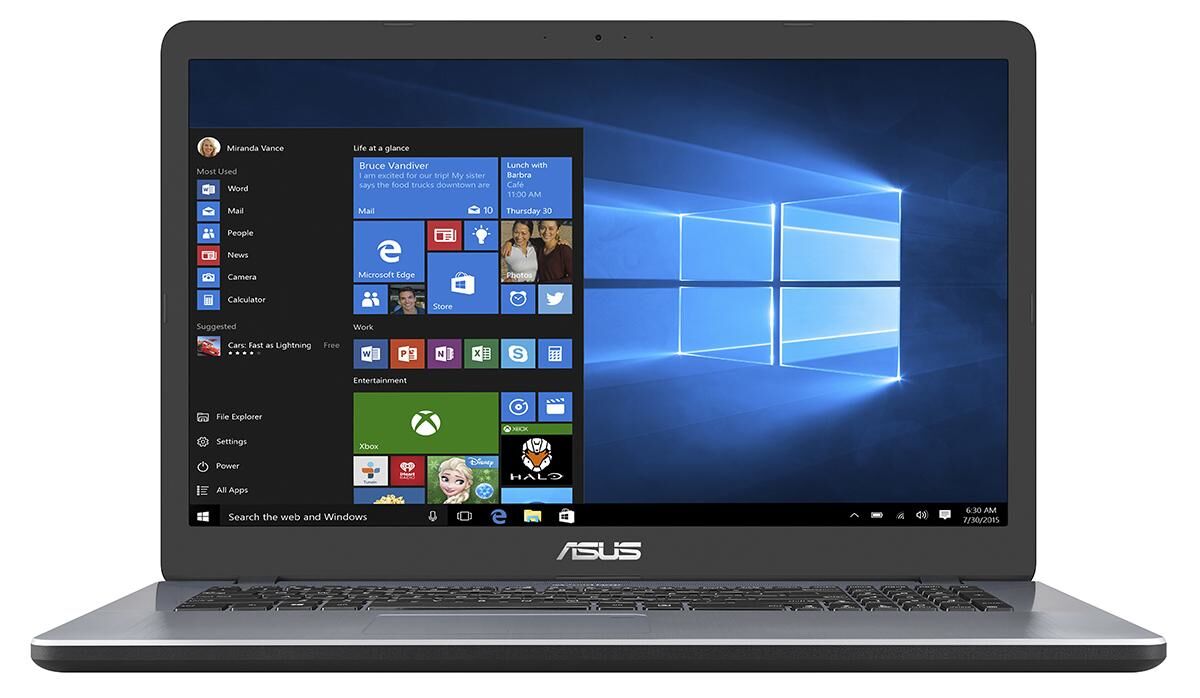
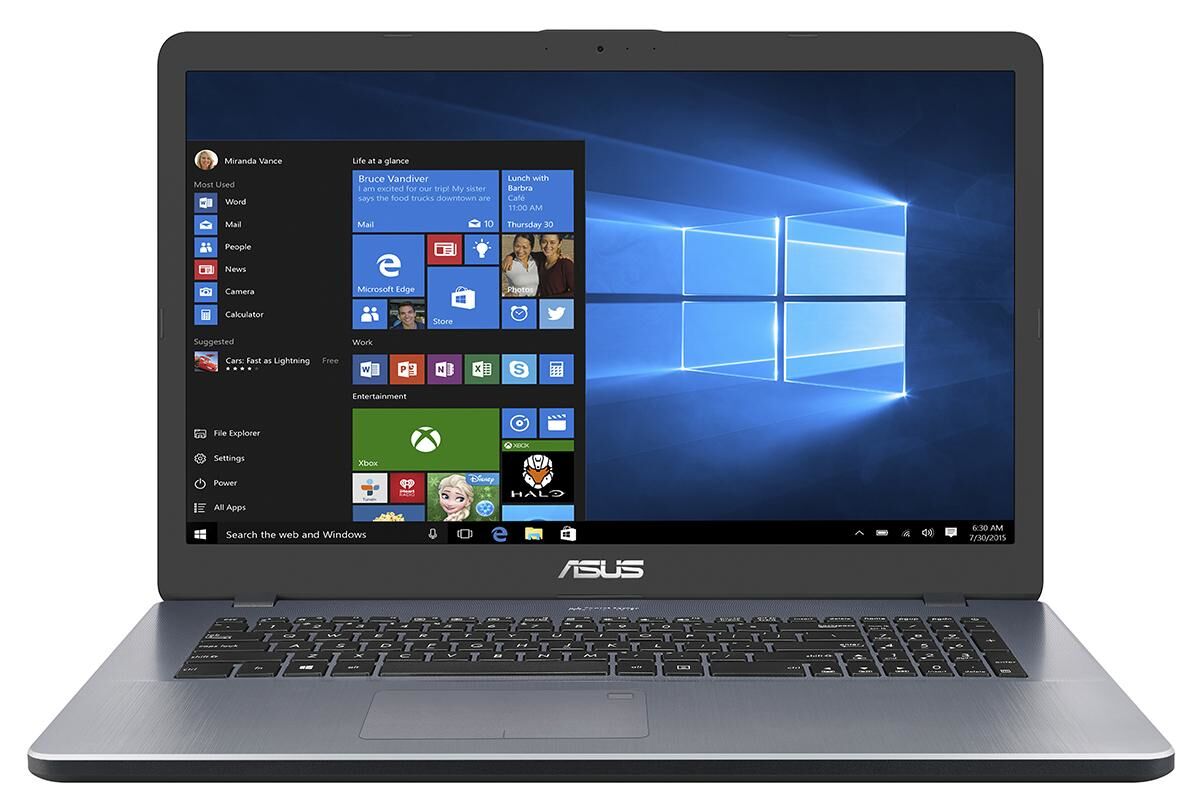
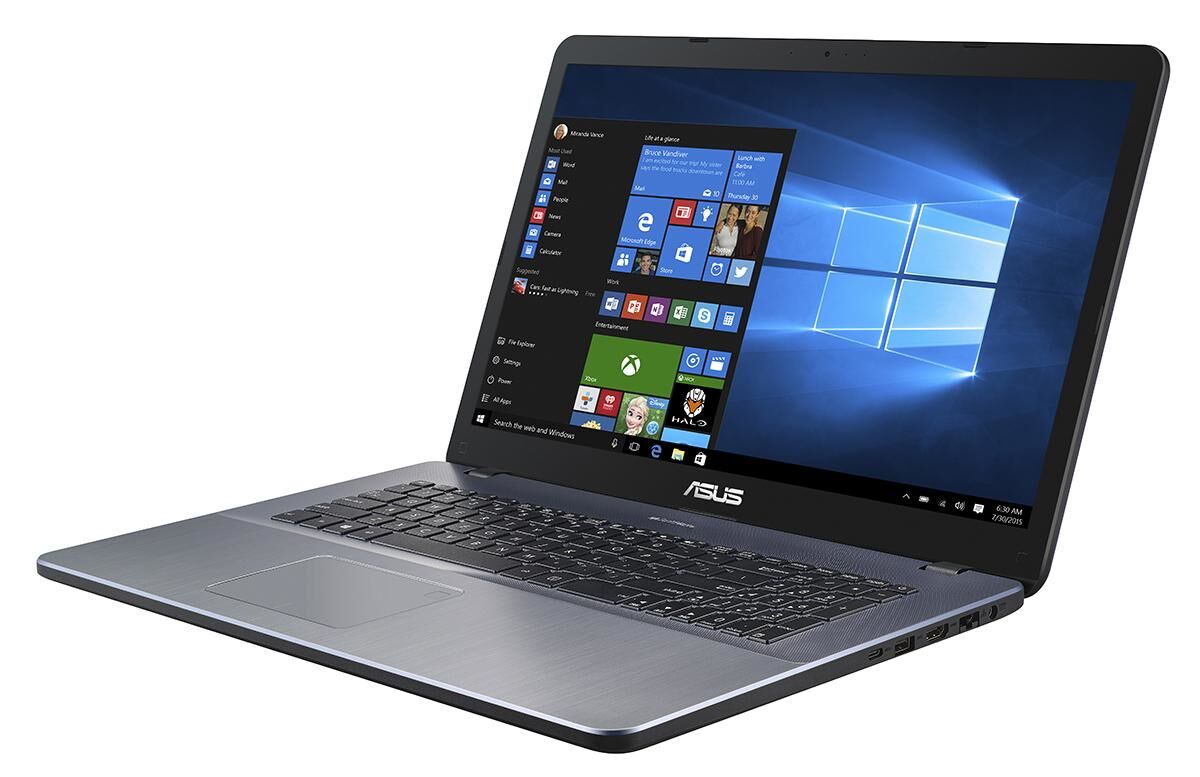
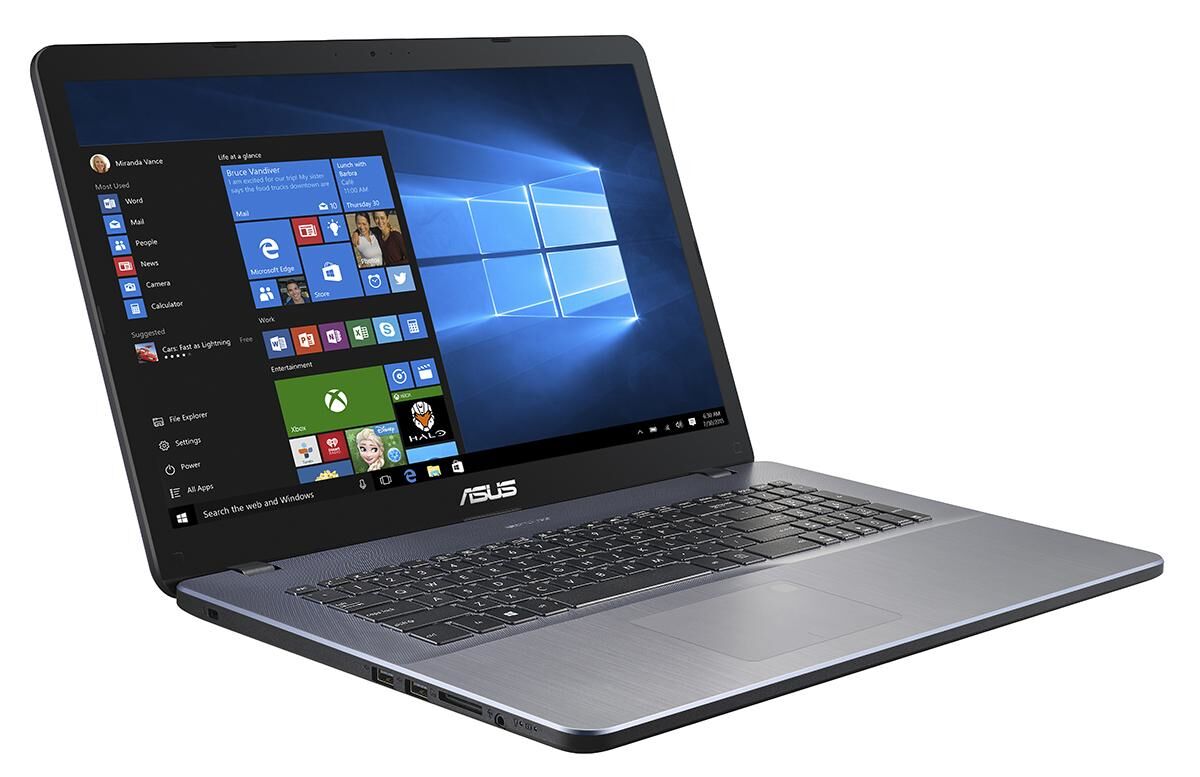
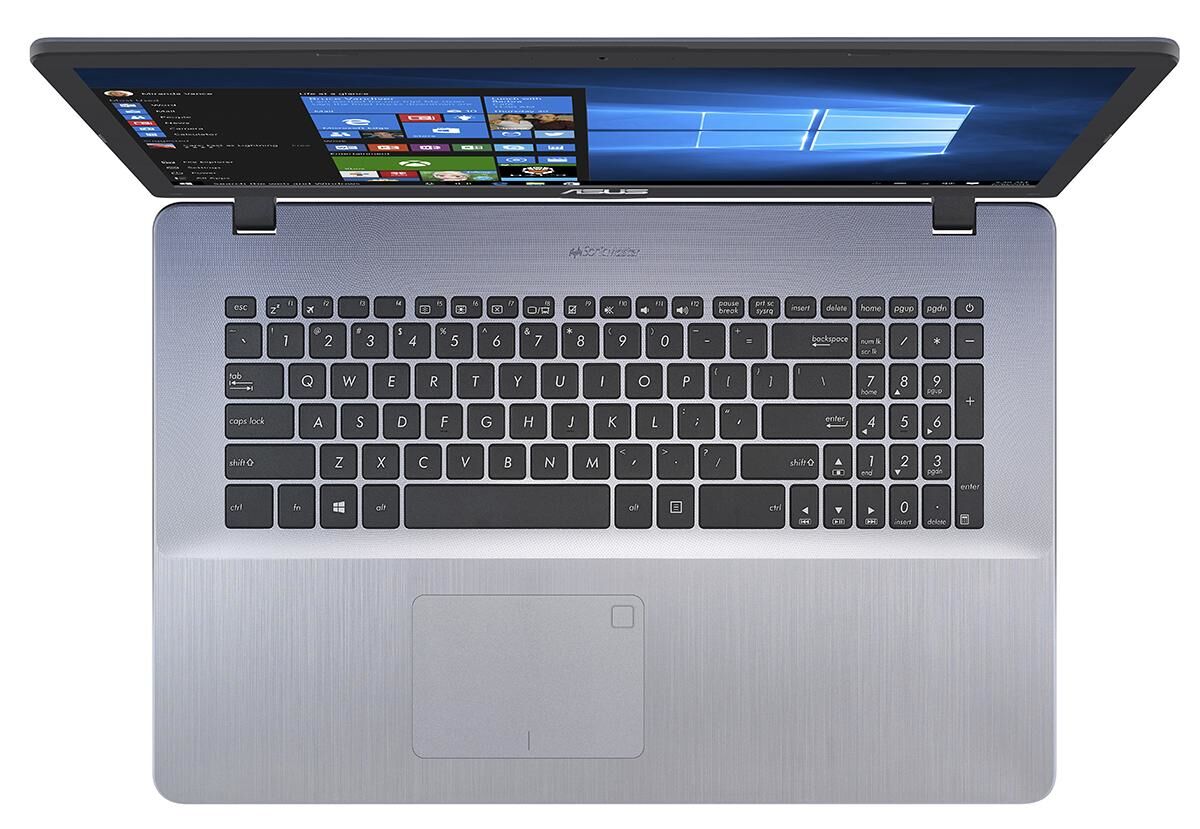
The ASUS Vivobook 17 Series F705UA-BX127T features DDR4-SDRAM memory upgrade specifications. The laptop contains 2x SO-DIMM slots compatible with DDR4 modules operating at 2133 MHz frequency. Maximum RAM capacity for this model reaches 16 GB total, supporting memory upgrades through the available SO-DIMM slots. Current specifications allow users to expand memory beyond factory configuration to achieve the 16 GB maximum supported capacity.
Memory Upgrade Specifications
| Specification | Value |
|---|---|
| Memory slots | 2x SO-DIMM |
| Form factor | SO-DIMM |
| Memory type | DDR4-SDRAM |
| Frequency | 2133 MHz |
| Maximum RAM | 16 GB |
| Voltage | 1.2V |
| Number of pins | 260-pin |
| Interface | PC4 |
| PC Speed Rating | PC4-2133 (PC4-17064) |
| Bandwidth | 17.1 GB/s |
| Laptop Release date | 20 February 2020 |
Additional Notes
- The ASUS Vivobook F705UA-BX127T accepts only DDR4 modules, making DDR3 or DDR3L modules physically incompatible due to different notch positions on the module edge.
- The 16 GB ceiling reflects chipset or BIOS limitations rather than slot count, restricting configurations to either 2x8 GB or 1x16 GB arrangements.
- The 2133 MHz specification represents the maximum supported frequency, meaning faster modules rated at 2400 MHz or 2666 MHz will downclock to 2133 MHz.
- SO-DIMM form factor limits module selection to laptop-specific components, as standard desktop DIMM modules measure 133 mm versus SO-DIMM's 67.6 mm length.
- Dual-channel operation requires matched pairs in both slots, while single-module configurations force the memory controller into single-channel mode with approximately 50% bandwidth reduction.
- Non-ECC unbuffered modules represent the only compatible type, as SO-DIMM slots in consumer laptops lack electrical support for registered or error-correcting memory.
- Voltage must remain at the DDR4 standard of 1.2V, as low-voltage or high-performance variants may cause POST failures or thermal throttling.
- Access to both slots typically requires complete bottom panel removal, as soldered memory configurations do not apply to this dual-slot implementation.
- Mixing different capacity modules between slots remains functional but forces the controller to operate in asymmetric or flex mode rather than true dual-channel interleaving.
- The absence of XMP profile support in most laptop BIOS implementations means advertised speeds above JEDEC standards require manual timing adjustments if supported.