ASUS Vivobook M1505YA-MA240W RAM upgrade specifications
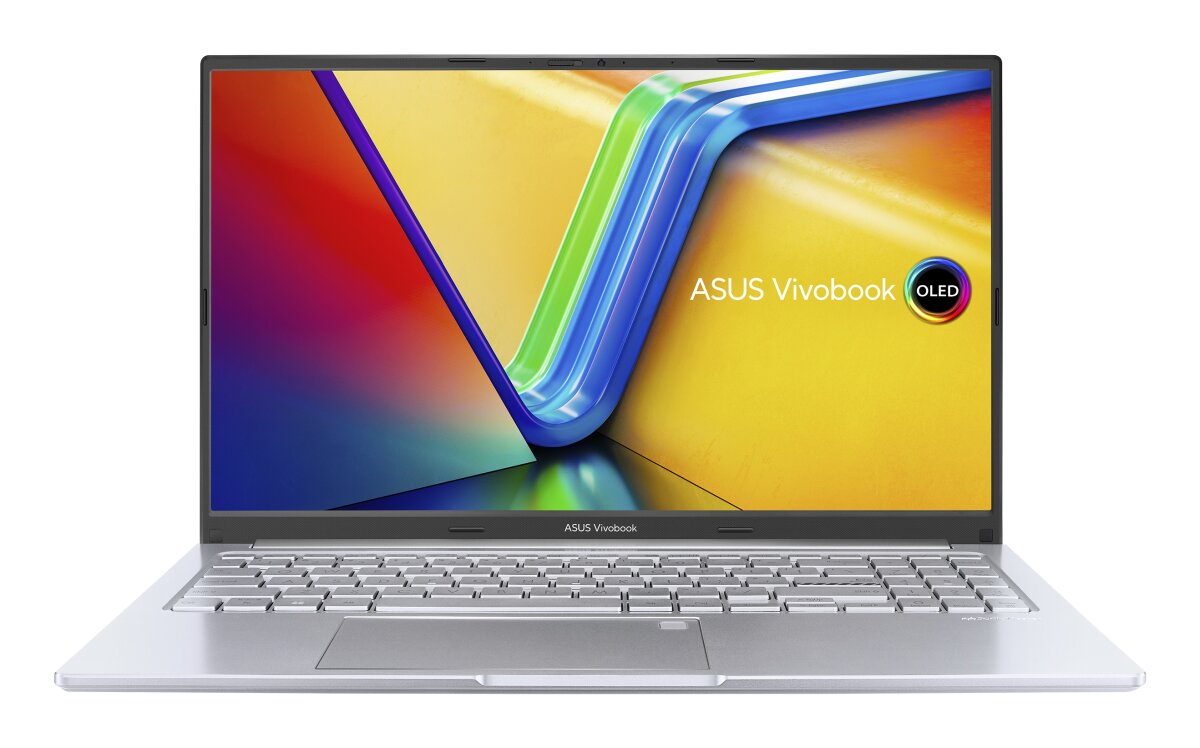
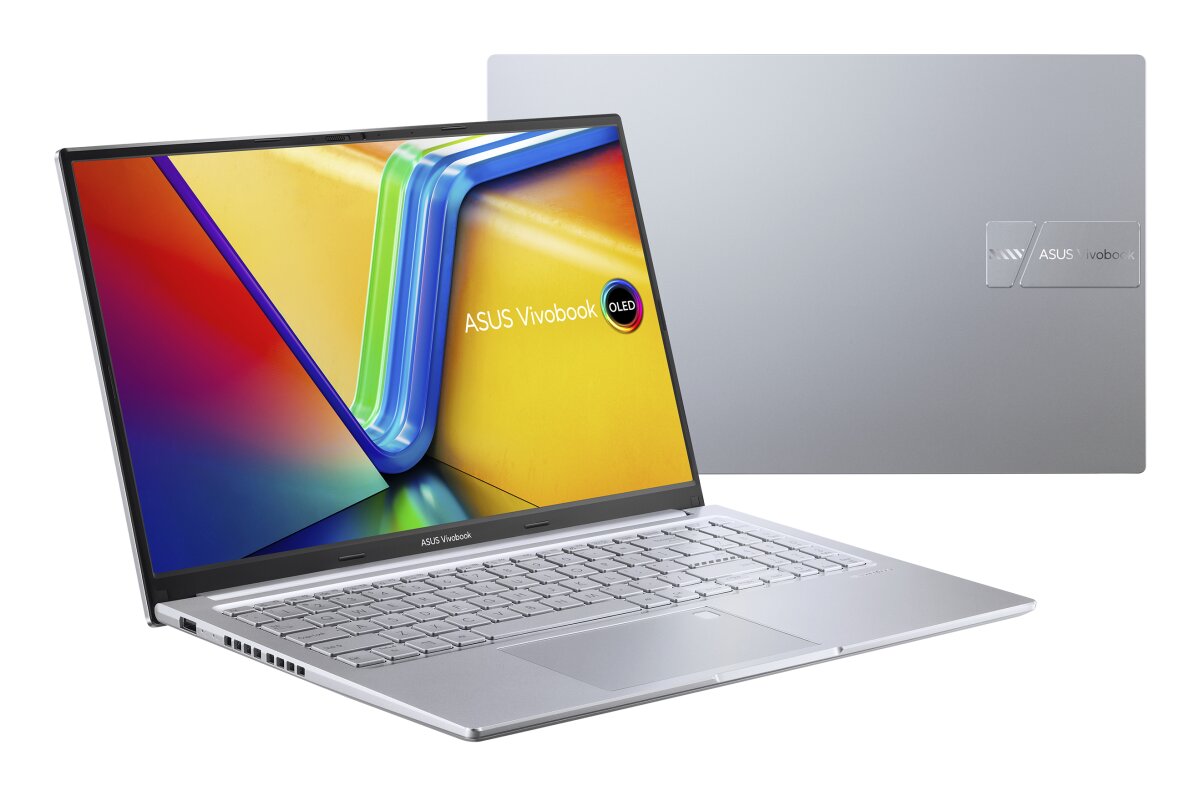
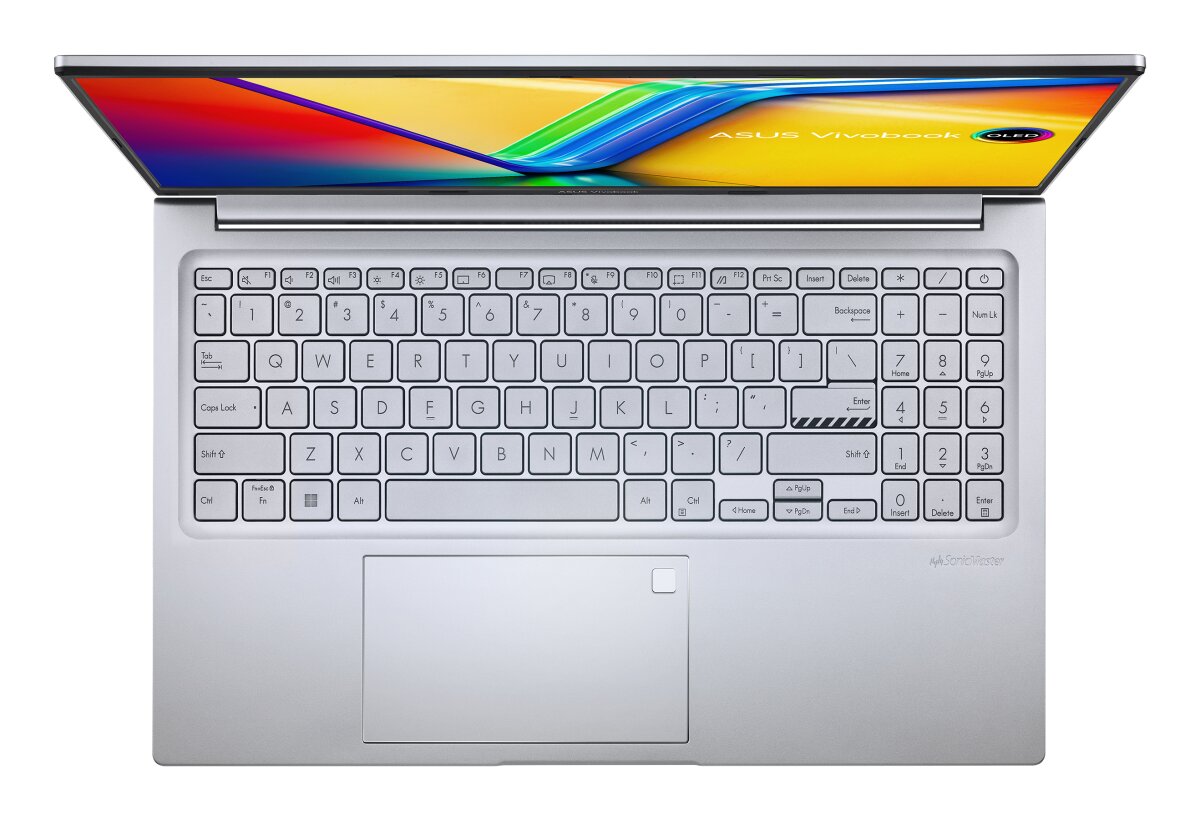
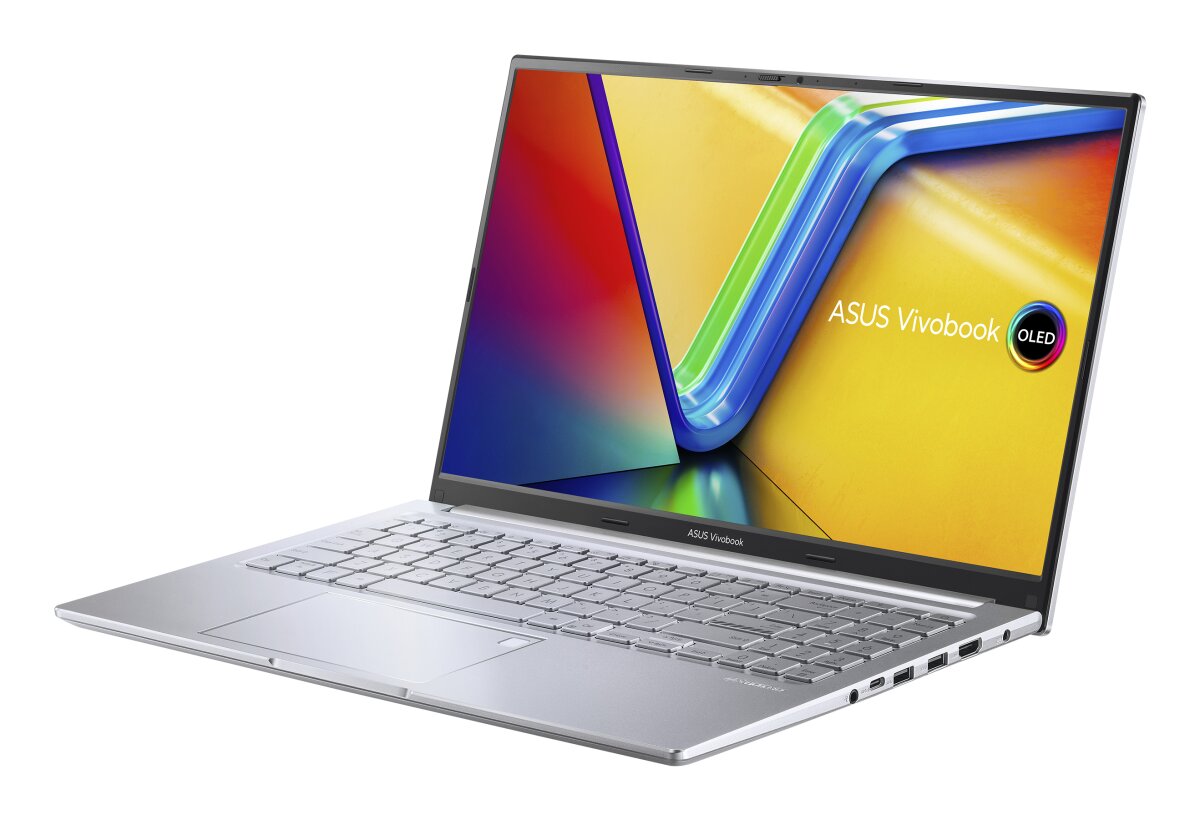
ASUS Vivobook 15 OLED M1505YA-MA240W RAM upgrade specifications detail memory configuration with DDR4-SDRAM support. The laptop features one SO-DIMM slot for upgrade capacity, with maximum compatible RAM of 16 GB. Operating frequency specifications indicate 3200 MHz DDR4 memory. The system utilizes on-board memory combined with SO-DIMM expandable slots, enabling users to upgrade memory capacity according to specifications. Upgrade slots accommodate standard SO-DIMM form factor modules. Compatible DDR4 memory modules at 3200 MHz frequency support the maximum upgrade capacity for this ASUS Vivobook series model.
Memory Upgrade Specifications
| Specification | Value |
|---|---|
| Memory slots | 1x SO-DIMM |
| Form factor | On-board + SO-DIMM |
| Memory type | DDR4-SDRAM |
| Frequency | 3200 MHz |
| Maximum RAM | 16 GB |
| Voltage | 1.2V |
| Number of pins | 260-pin |
| Interface | PC4 |
| PC Speed Rating | PC4-3200 (PC4-25600) |
| Bandwidth | 25.6 GB/s |
Additional Notes
- The ASUS Vivobook M1505YA-MA240W features a hybrid memory architecture with one permanent soldered module alongside a single accessible SO-DIMM slot, restricting future expansion to replacement rather than additive upgrades.
- The 16 GB capacity ceiling represents a hard limit imposed by the chipset or BIOS, preventing users from installing higher-density modules even if the slot physically accepts them.
- Achieving dual-channel operation requires the SO-DIMM module to match the specifications of the soldered memory in both capacity and speed, as mismatched configurations force single-channel mode with significant bandwidth reduction.
- The single upgrade slot eliminates redundancy options, meaning any module failure in the SO-DIMM position leaves the system dependent entirely on the non-replaceable soldered memory.
- Memory running at 3200 MHz requires JEDEC SPD compliance rather than XMP profiles, as laptop BIOS implementations typically lack manual overclocking controls found in desktop systems.
- The SO-DIMM form factor demands low-profile heat spreaders or bare PCB modules, as standard desktop RAM height clearances do not apply in the constrained laptop chassis.
- Voltage compatibility must align with DDR4 standards at 1.2V, as laptop power delivery circuits lack tolerance for higher-voltage enthusiast modules designed for desktop use.
- Warranty preservation requires verifying whether the manufacturer classifies RAM upgrades as user-serviceable, as some jurisdictions void coverage when non-authorized personnel access internal components.
- The soldered memory portion determines minimum system capacity, meaning users cannot operate the laptop with only the SO-DIMM installed if the soldered module fails.
- Memory latency remains fixed by the 3200 MHz specification, offering no opportunity for timing optimization that desktop platforms sometimes permit through BIOS adjustments.