ASUS Vivobook TP501UQ-DN103T RAM upgrade specifications



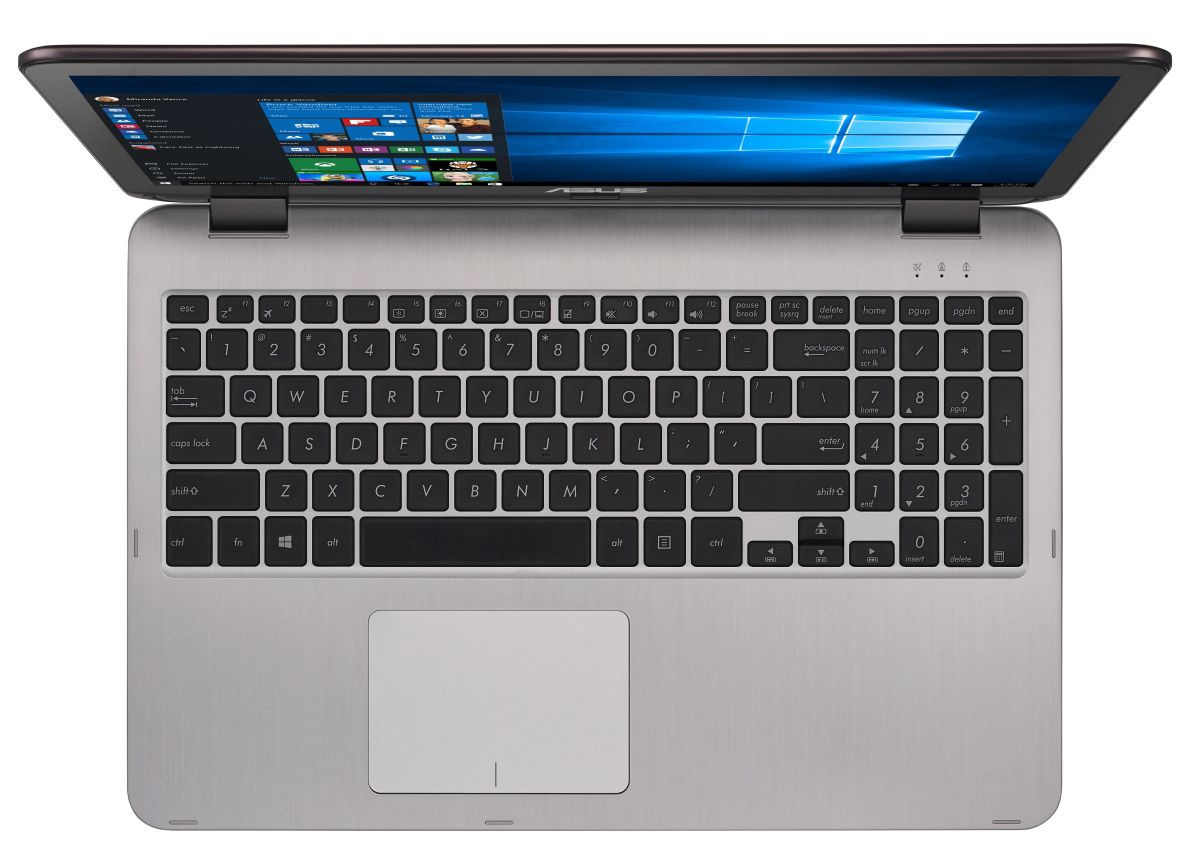

ASUS Vivobook Flip TP501UQ-DN103T compatible RAM upgrade specifications feature DDR4-SDRAM memory operating at 2133 MHz. The laptop contains one SO-DIMM memory slot for upgrade capacity. Maximum supported RAM reaches 12 GB total with on-board memory configuration. Compatible memory modules must match DDR4-SDRAM specifications to ensure proper functionality and system compatibility with the TP501UQ-DN103T platform.
Memory Upgrade Specifications
| Specification | Value |
|---|---|
| Memory slots | 1x SO-DIMM |
| Form factor | On-board + SO-DIMM |
| Memory type | DDR4-SDRAM |
| Frequency | 2133 MHz |
| Maximum RAM | 12 GB |
| Voltage | 1.2V |
| Number of pins | 260-pin |
| Interface | PC4 |
| PC Speed Rating | PC4-2133 (PC4-17064) |
| Bandwidth | 17.1 GB/s |
| Laptop Release date | 07 September 2017 |
Additional Notes
- The presence of on-board memory limits the maximum capacity expansion because only the single open SO-DIMM slot allows for physical replacement.
- The hardware architecture creates an asymmetrical dual-channel configuration where memory speeds default to the slowest module installed to prevent system instability.
- Upgrading beyond the 12 GB limit is restricted by a 4 GB soldered module that cannot be removed or bypassed without professional component desoldering.
- Installing a faster 2400 MHz or 3200 MHz module results in technical downclocking to 2133 MHz due to the fixed bus speed of the soldered memory controller.
- Total memory bandwidth is constrained by the hard limit of an 8 GB module in the single expansion slot coupled with the fixed internal 4 GB bank.
- The thin chassis design of the Flip series necessitates a non-ECC unbuffered memory module to ensure compatibility with the standard voltage requirements of the motherboard.
- Accessing the SO-DIMM slot requires total removal of the lower case assembly which involves navigating internal ribbon cables and potentially voiding regional warranty seals.
- System performance in memory-intensive applications faces a bottleneck once the capacity of the smaller soldered chip is exceeded during data processing tasks.