ASUS Vivobook N552VX-FI050T RAM upgrade specifications


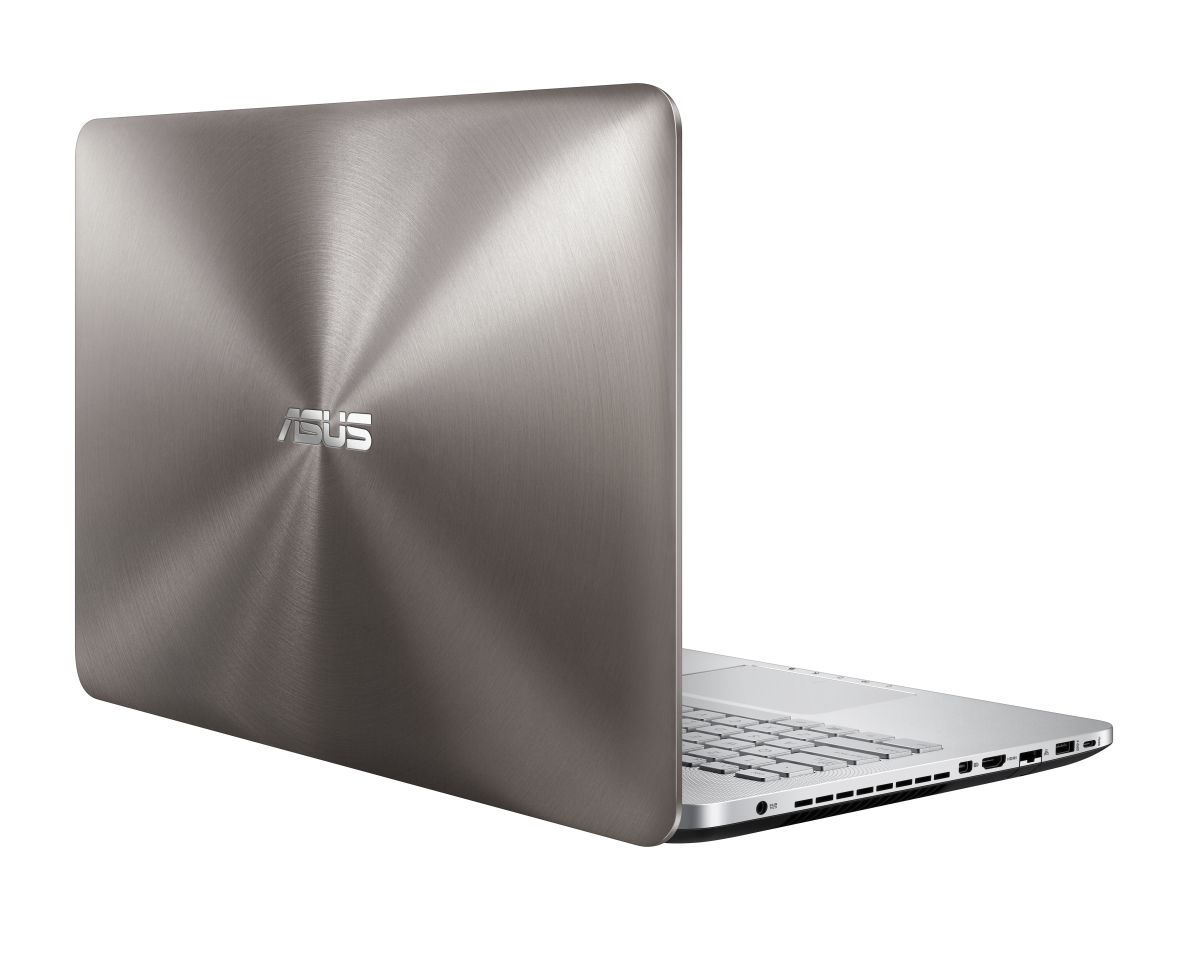
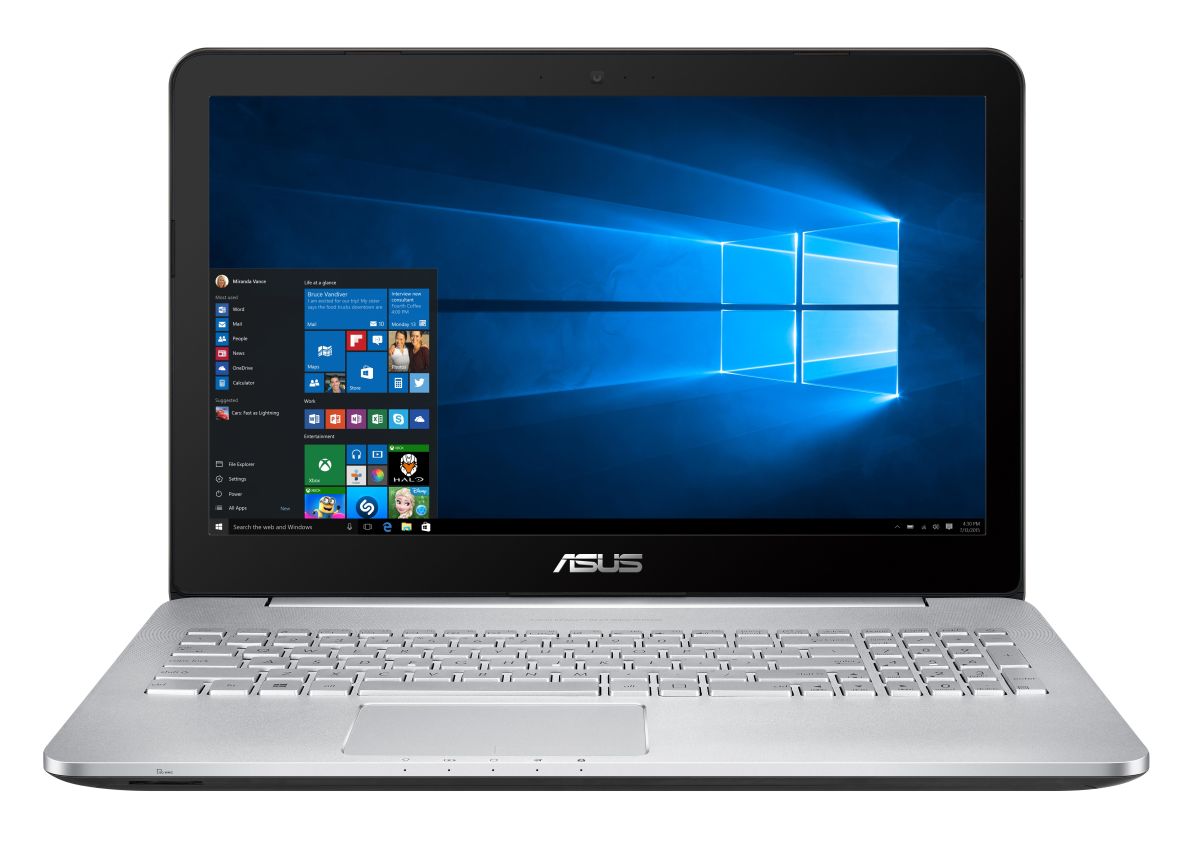
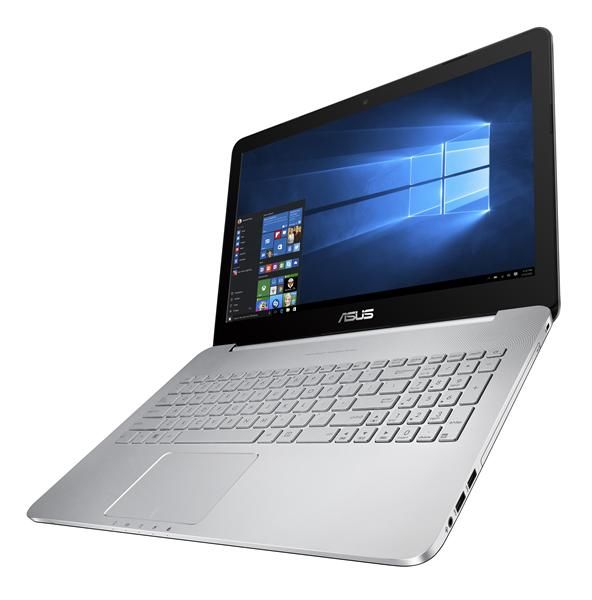
ASUS Vivobook Pro N552VX-FI050T RAM upgrade specifications include two SO-DIMM memory slots supporting DDR4-SDRAM modules. Maximum RAM capacity reaches 16 GB total. Compatible memory operates at 2133 MHz frequency. Upgrade options enable users to expand system memory using standard SO-DIMM form factor modules. Current specifications allow installation of DDR4 memory to enhance multitasking performance and system responsiveness on the N552VX-FI050T model.
Memory Upgrade Specifications
| Specification | Value |
|---|---|
| Memory slots | 2x SO-DIMM |
| Form factor | SO-DIMM |
| Memory type | DDR4-SDRAM |
| Frequency | 2133 MHz |
| Maximum RAM | 16 GB |
| Voltage | 1.2V |
| Number of pins | 260-pin |
| Interface | PC4 |
| PC Speed Rating | PC4-2133 (PC4-17064) |
| Bandwidth | 17.1 GB/s |
| Laptop Release date | 05 March 2019 |
Additional Notes
- The ASUS Vivobook N552VX-FI050T chipset enforces a 16 GB total memory ceiling regardless of individual module capacity, preventing the installation of 2x16 GB configurations that would otherwise physically fit.
- DDR4-2133 represents the baseline specification for this generation, limiting memory bandwidth to 17,066 MB/s per channel compared to later DDR4-2400 or DDR4-3200 standards that offer 19,200 MB/s and 25,600 MB/s respectively.
- The dual SO-DIMM configuration operates in dual-channel mode only when matching capacity modules occupy both slots, halving theoretical bandwidth to single-channel 17,066 MB/s when using mismatched sizes.
- Installing DDR4 modules rated above 2133 MHz triggers automatic downclocking to the base frequency, negating any performance premium paid for higher-speed memory kits.
- Both memory slots require simultaneous access from the bottom panel, as one slot typically mounts on the motherboard underside while the second integrates into the main board surface.
- Standard 260-pin SO-DIMM height clearance accommodates modules up to 32mm, though low-profile variants under 30mm reduce thermal interference with adjacent cooling components.
- Operating voltage must conform to DDR4 standard 1.2V specification, as laptop BIOS implementations rarely support manual voltage adjustment for compatibility with high-performance 1.35V or 1.4V overclocking modules.
- The 16 GB maximum suggests a non-HM170 chipset implementation, likely HM110 or similar entry-tier variant that restricts addressable memory compared to workstation-class alternatives supporting 32 GB or 64 GB.
- Memory replacement maintains warranty validity as a user-serviceable upgrade, unlike soldered configurations that void coverage upon tampering attempts.
- Single-rank versus dual-rank module topology affects latency characteristics at identical frequencies, with dual-rank DIMMs introducing marginal performance gains in memory-intensive workloads despite identical 2133 MHz speed ratings.