ASUS Vivobook N705FD-GC083T-BE RAM upgrade specifications

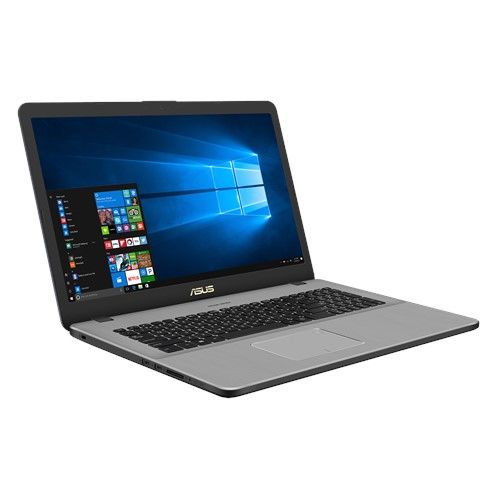

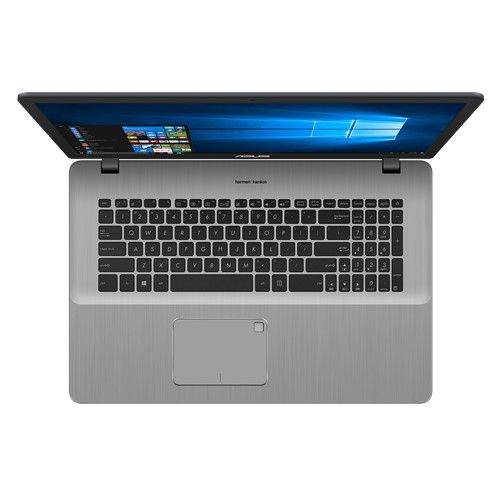
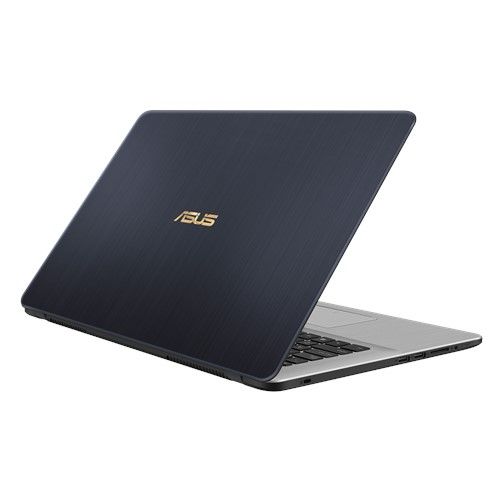
The ASUS Vivobook Pro N705FD-GC083T-BE laptop features DDR4-SDRAM memory upgrade specifications. The system contains two SO-DIMM memory slots, supporting a maximum RAM capacity of 16 GB total. Compatible memory modules operate at 2400 MHz frequency. Upgrades utilize the SO-DIMM form factor standard for portable computing. The specifications outline the memory configuration available for this particular ASUS Vivobook Pro series model.
Memory Upgrade Specifications
| Specification | Value |
|---|---|
| Memory slots | 2x SO-DIMM |
| Form factor | SO-DIMM |
| Memory type | DDR4-SDRAM |
| Frequency | 2400 MHz |
| Maximum RAM | 16 GB |
| Voltage | 1.2V |
| Number of pins | 260-pin |
| Interface | PC4 |
| PC Speed Rating | PC4-2400 (PC4-19200) |
| Bandwidth | 19.2 GB/s |
| Laptop Release date | 19 October 2019 |
Additional Notes
- The ASUS Vivobook N705FD-GC083T-BE operates with DDR4 memory at 2400 MHz, which represents a generation-old frequency standard. Newer DDR4 modules typically run at 3200 MHz or higher, creating a performance ceiling where faster memory will automatically downclock to 2400 MHz, eliminating any speed advantage from premium modules.
- With only 2 SO-DIMM slots available, users cannot exceed 16 GB total capacity regardless of individual module size. Upgrading requires replacing both existing modules rather than adding capacity through a third or fourth slot, making this a fixed ceiling rather than an expandable platform.
- SO-DIMM form factor confirms this is a mobile system. Replacement memory must use SO-DIMM specifications exclusively; standard desktop DDR4 DIMM modules are physically incompatible and will not fit the connector slots.
- The 16 GB maximum capacity limitation means memory-intensive workloads such as video editing, 3D rendering, virtual machines, or large dataset processing cannot be addressed through RAM expansion beyond what many competitors offer at this price tier.
- Warranty-safe upgrades require DDR4-2400 SO-DIMM modules matching the native frequency specification. Installing faster-rated memory introduces no technical risk, though the performance benefit remains locked to 2400 MHz operation.
- Single-channel versus dual-channel configuration depends on the factory memory configuration. If the system shipped with 1 module, upgrading with a matching second module enables dual-channel bandwidth, typically improving performance by 10-15% in memory-bound applications.