ASUS Vivobook N705FD-GC148T RAM upgrade specifications

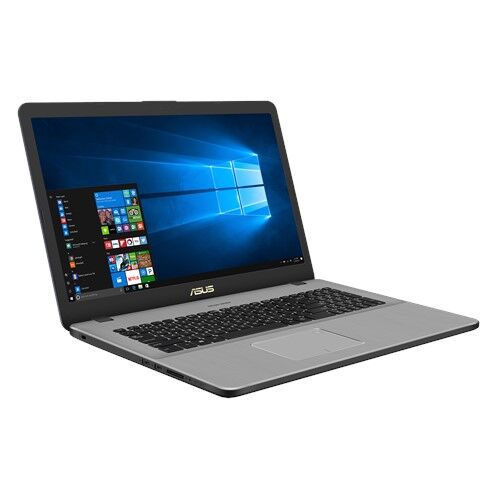
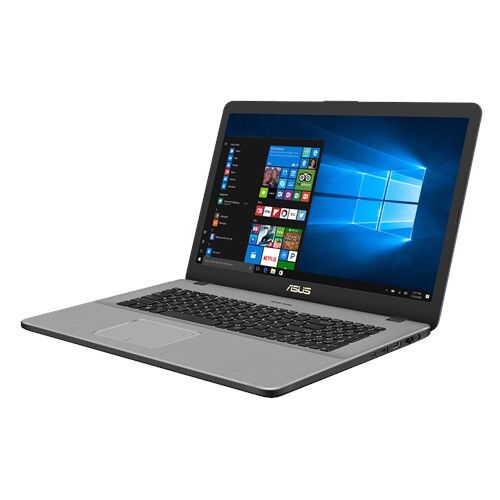
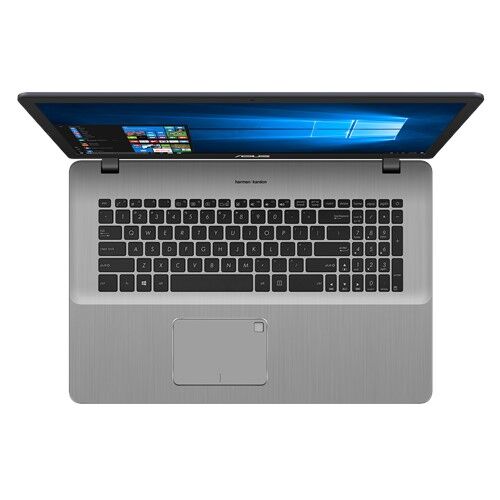
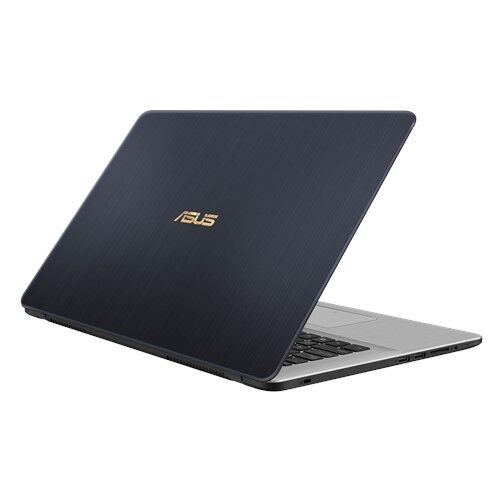
ASUS Vivobook Pro N705FD-GC148T RAM upgrade specifications detail DDR4-SDRAM memory compatibility. The laptop features 2x SO-DIMM slots supporting maximum capacity of 16 GB total memory. Standard frequency operates at 2400 MHz. Upgrade configurations utilize SO-DIMM form factor modules. Compatible memory modules must meet DDR4-SDRAM specifications for proper system operation and performance optimization.
Memory Upgrade Specifications
| Specification | Value |
|---|---|
| Memory slots | 2x SO-DIMM |
| Form factor | SO-DIMM |
| Memory type | DDR4-SDRAM |
| Frequency | 2400 MHz |
| Maximum RAM | 16 GB |
| Voltage | 1.2V |
| Number of pins | 260-pin |
| Interface | PC4 |
| PC Speed Rating | PC4-2400 (PC4-19200) |
| Bandwidth | 19.2 GB/s |
| Laptop Release date | 05 November 2019 |
Additional Notes
- The 16 GB maximum RAM capacity indicates a chipset limitation rather than a slot configuration constraint, as 2 SO-DIMM slots could physically accommodate up to 32 GB or 64 GB with modern modules.
- DDR4-2400 represents the JEDEC standard speed for this generation, meaning the memory controller will downclock any higher-frequency modules (DDR4-2666, DDR4-3200) to 2400 MHz, eliminating any performance benefit from premium RAM.
- The dual-channel architecture requires matched module pairs for optimal memory bandwidth, making asymmetric configurations (such as 4 GB plus 8 GB) functionally viable but suboptimal for graphics-intensive workloads that rely on integrated GPU memory sharing.
- SO-DIMM 260-pin modules are the exclusive compatible form factor, as desktop DIMM modules are physically incompatible with laptop memory slots regardless of electrical specifications.
- Operating voltage is standardized at 1.2V for DDR4, meaning low-voltage DDR3L modules from previous-generation systems cannot be installed despite similar physical dimensions.
- The ASUS Vivobook N705FD-GC148T memory controller does not support ECC (Error-Correcting Code) modules, which will either fail to boot or operate in non-ECC mode, negating their cost premium.
- CAS latency variations (CL15, CL16, CL17) at the 2400 MHz frequency produce negligible real-world performance differences in typical consumer workloads, making the lowest-cost specification adequate.
- Manufacturer warranty preservation typically requires documented compatible modules, as third-party RAM installation itself does not void coverage under most consumer protection regulations, but damage during installation is excluded.
- Single-rank versus dual-rank module architecture affects memory interleaving efficiency, though the performance delta remains under 5% in most scenarios outside memory bandwidth-specific benchmarks.
- The 2400 MHz frequency ceiling means this platform cannot leverage the performance improvements available in newer DDR4-3200 systems, particularly for integrated graphics frame buffer operations.