ASUS Vivobook N705FD-GC137T RAM upgrade specifications
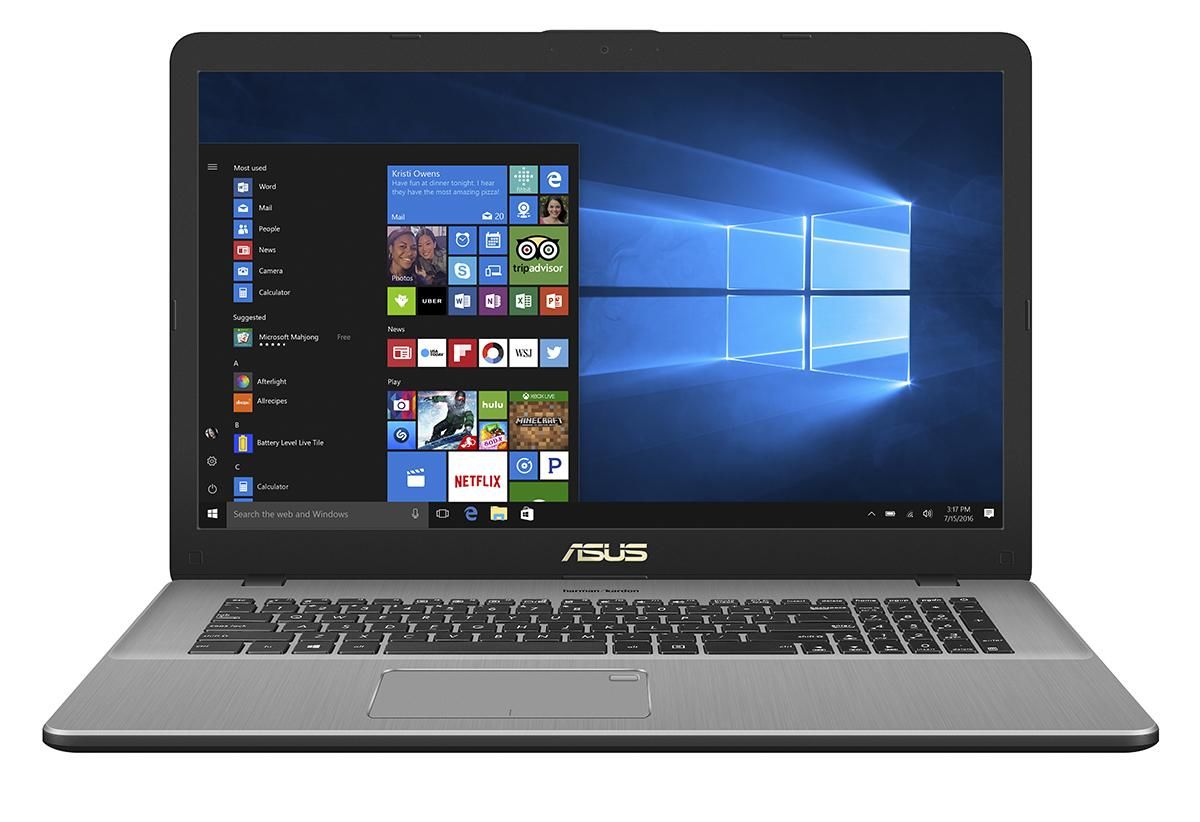



The ASUS Vivobook Pro N705FD-GC137T features DDR4-SDRAM memory specifications with two SO-DIMM slots supporting maximum RAM capacity of 16 GB. Compatible memory upgrades operate at 2400 MHz frequency. The laptop's memory configuration allows for expansion through SO-DIMM modules, with upgrade compatibility extending to the specified maximum capacity. Current and potential memory installations utilize DDR4 technology, enabling users to upgrade the device's RAM slots to enhance overall system performance and multitasking capabilities.
Memory Upgrade Specifications
| Specification | Value |
|---|---|
| Memory slots | 2x SO-DIMM |
| Form factor | SO-DIMM |
| Memory type | DDR4-SDRAM |
| Frequency | 2400 MHz |
| Maximum RAM | 16 GB |
| Voltage | 1.2V |
| Number of pins | 260-pin |
| Interface | PC4 |
| PC Speed Rating | PC4-2400 (PC4-19200) |
| Bandwidth | 19.2 GB/s |
| Laptop Release date | 09 August 2019 |
Additional Notes
- The presence of 2 SO-DIMM slots allows for dual-channel memory architecture which doubles the potential peak bandwidth between the processor and the system RAM.
- The maximum capacity limit indicates that the motherboard firmware or chipset architecture prevents the use of 16 GB or 32 GB individual modules in the ASUS Vivobook N705FD-GC137T.
- Installing memory modules with speeds exceeding 2400 MHz will result in the system downclocking the hardware to match the maximum supported bus frequency of the internal controller.
- Low voltage 1.2V DDR4 modules are required to ensure electrical compatibility and to prevent thermal throttling within the compact chassis.
- Synchronizing the latency timings (CAS latency) between both slots is necessary to maintain system stability and prevent boot failures during the POST process.
- Upgrading the internal memory requires a non-destructive disassembly of the lower enclosure which may involve captive screws and plastic clips that require specific prying tools to avoid marring the finish.
- Total addressable memory overhead is shared with any integrated graphics processing units which will reduce the final amount of RAM available to the operating system.