ASUS Vivobook S430UA-EB954T RAM upgrade specifications
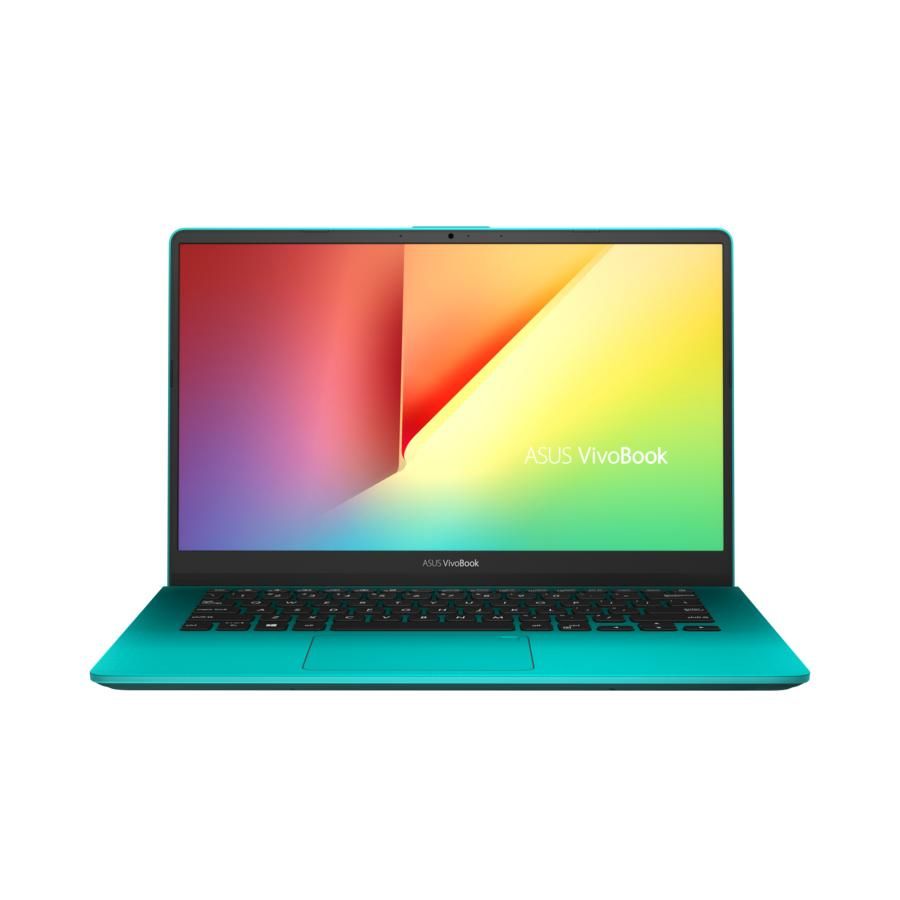
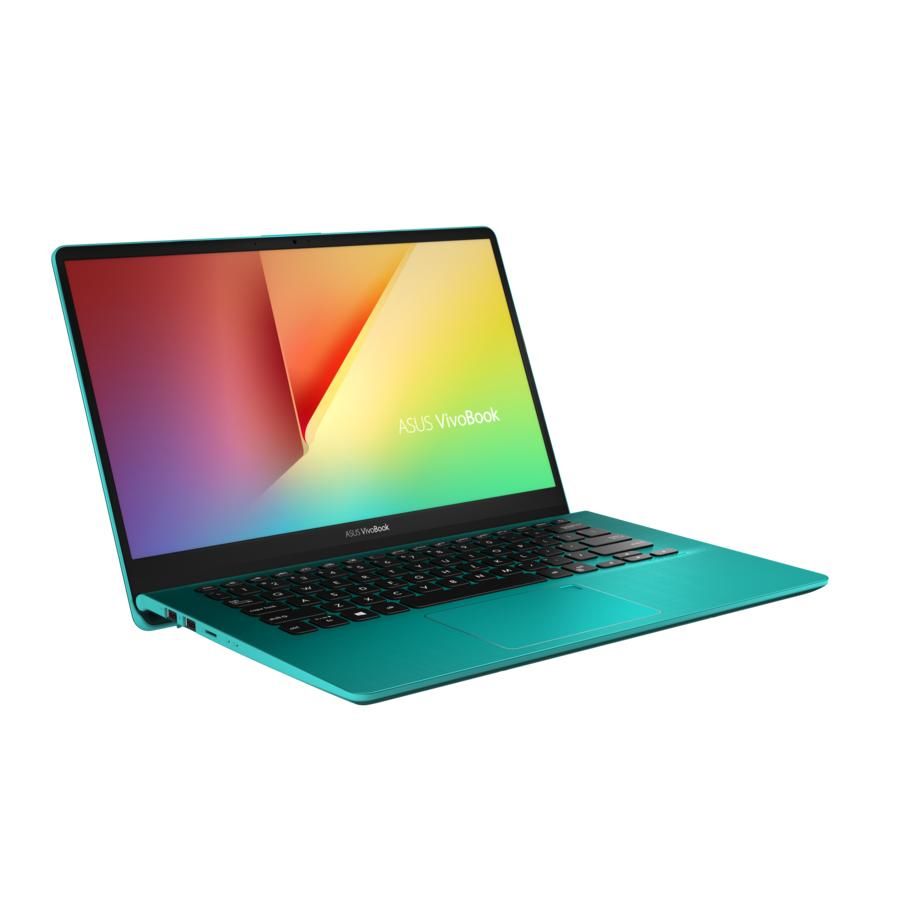
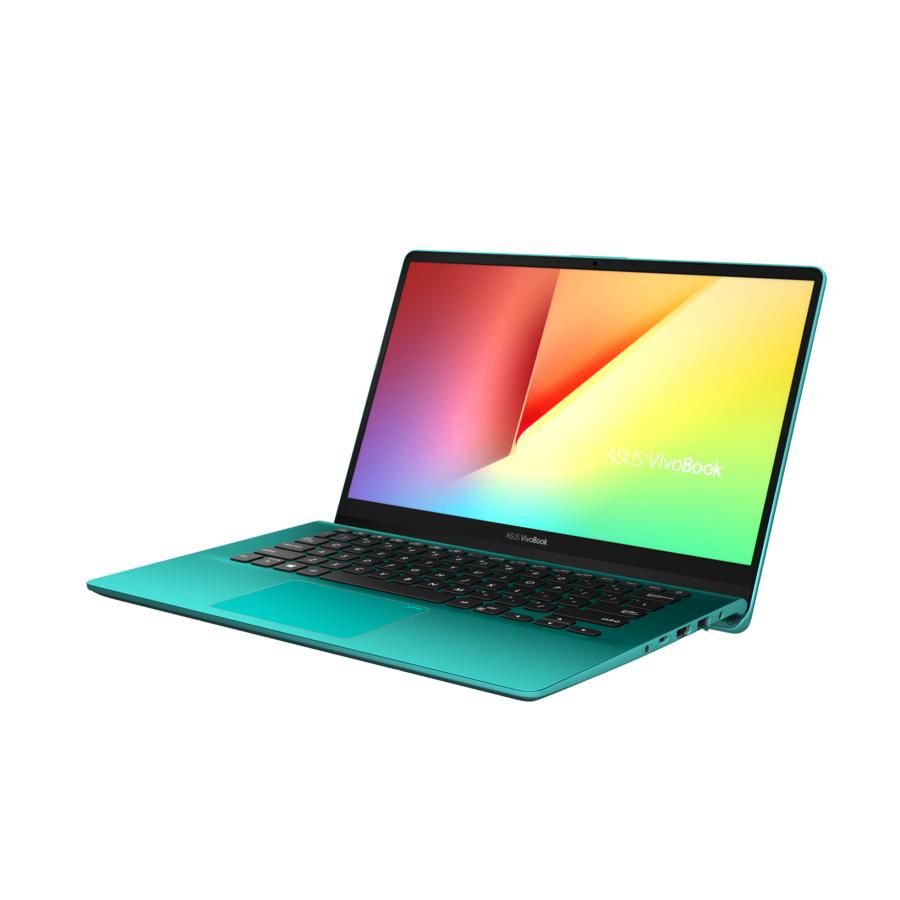
ASUS Vivobook S14 series model S430UA-EB954T supports DDR4-SDRAM memory upgrades through two SO-DIMM slots. The laptop accommodates a maximum RAM capacity of 16 GB total, with compatible memory operating at 2400 MHz frequency. Specifications indicate SO-DIMM form factor modules are required for upgrade compatibility on this particular configuration.
Memory Upgrade Specifications
| Specification | Value |
|---|---|
| Memory slots | 2x SO-DIMM |
| Form factor | SO-DIMM |
| Memory type | DDR4-SDRAM |
| Frequency | 2400 MHz |
| Maximum RAM | 16 GB |
| Voltage | 1.2V |
| Number of pins | 260-pin |
| Interface | PC4 |
| PC Speed Rating | PC4-2400 (PC4-19200) |
| Bandwidth | 19.2 GB/s |
| Laptop Release date | 11 December 2018 |
Additional Notes
- The ASUS Vivobook S430UA-EB954T imposes a 16 GB ceiling across both slots, requiring either a single 16 GB module or two 8 GB modules for maximum capacity.
- The 2400 MHz frequency specification operates at PC4-19200 bandwidth, delivering 19.2 GB/s theoretical throughput per channel.
- Installation of modules exceeding 2400 MHz will result in automatic downclocking to match the system's supported frequency.
- Both SO-DIMM slots require simultaneous population for dual-channel operation, which doubles memory bandwidth compared to single-channel configurations.
- DDR4 voltage compatibility is locked at 1.2V standard, preventing use of low-voltage or server-grade modules rated at different voltages.
- The SO-DIMM form factor restricts physical compatibility to 260-pin modules measuring 67.6 mm in length.
- CAS latency tolerance typically ranges from CL15 to CL17 at 2400 MHz, with tighter timings offering marginal performance gains in latency-sensitive applications.
- Mixing modules with different densities between slots maintains functionality but may disable dual-channel mode depending on capacity asymmetry.
- Upgrading beyond factory-installed capacity generally preserves warranty coverage as memory replacement constitutes user-serviceable maintenance.
- Non-ECC unbuffered modules represent the only compatible architecture, as registered or error-correcting types will fail POST initialization.
- Heat spreader height becomes relevant in ultra-thin chassis designs, where low-profile modules under 30 mm prevent clearance conflicts with keyboard assemblies.