DELL Inspiron 14 Plus 7420 RAM upgrade specifications

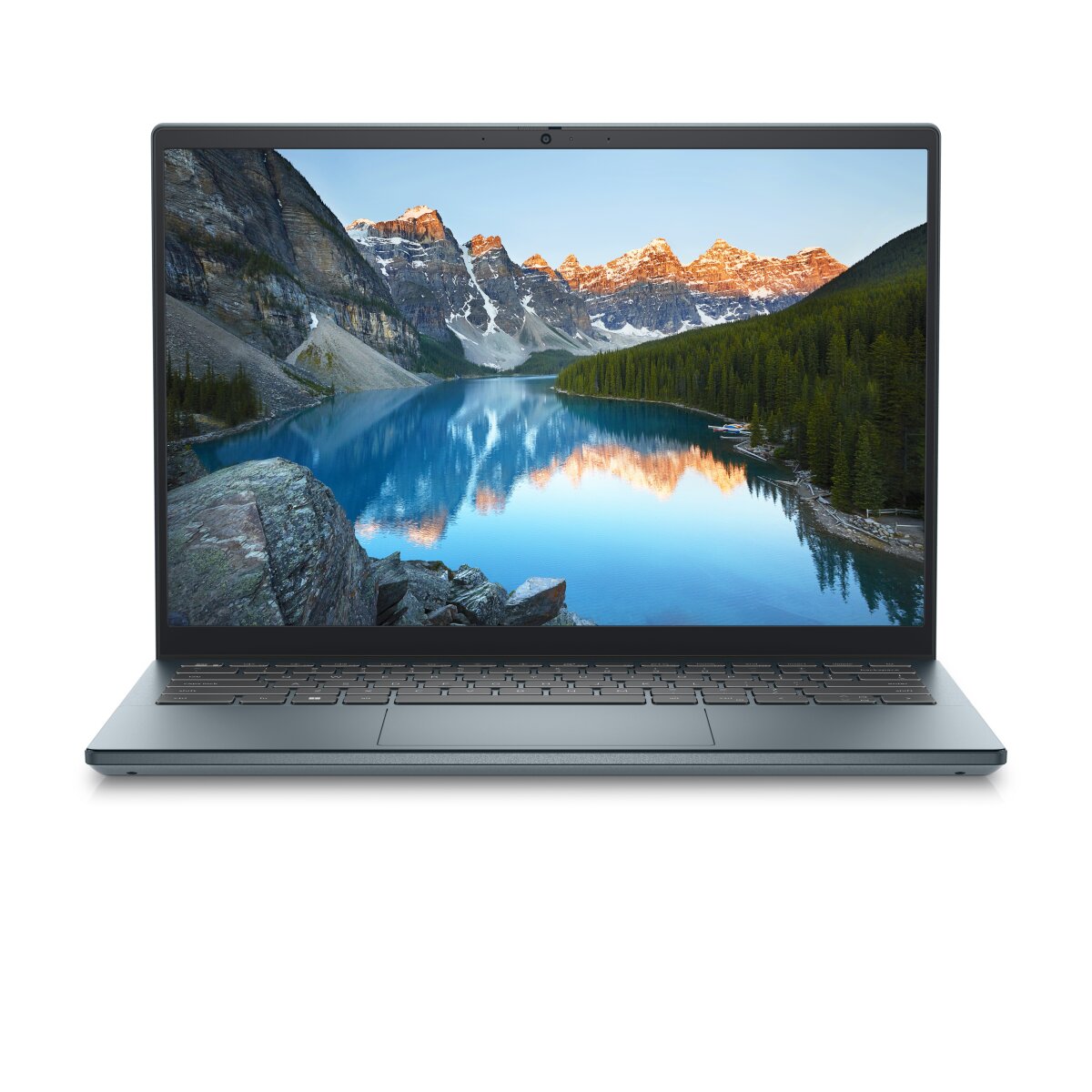
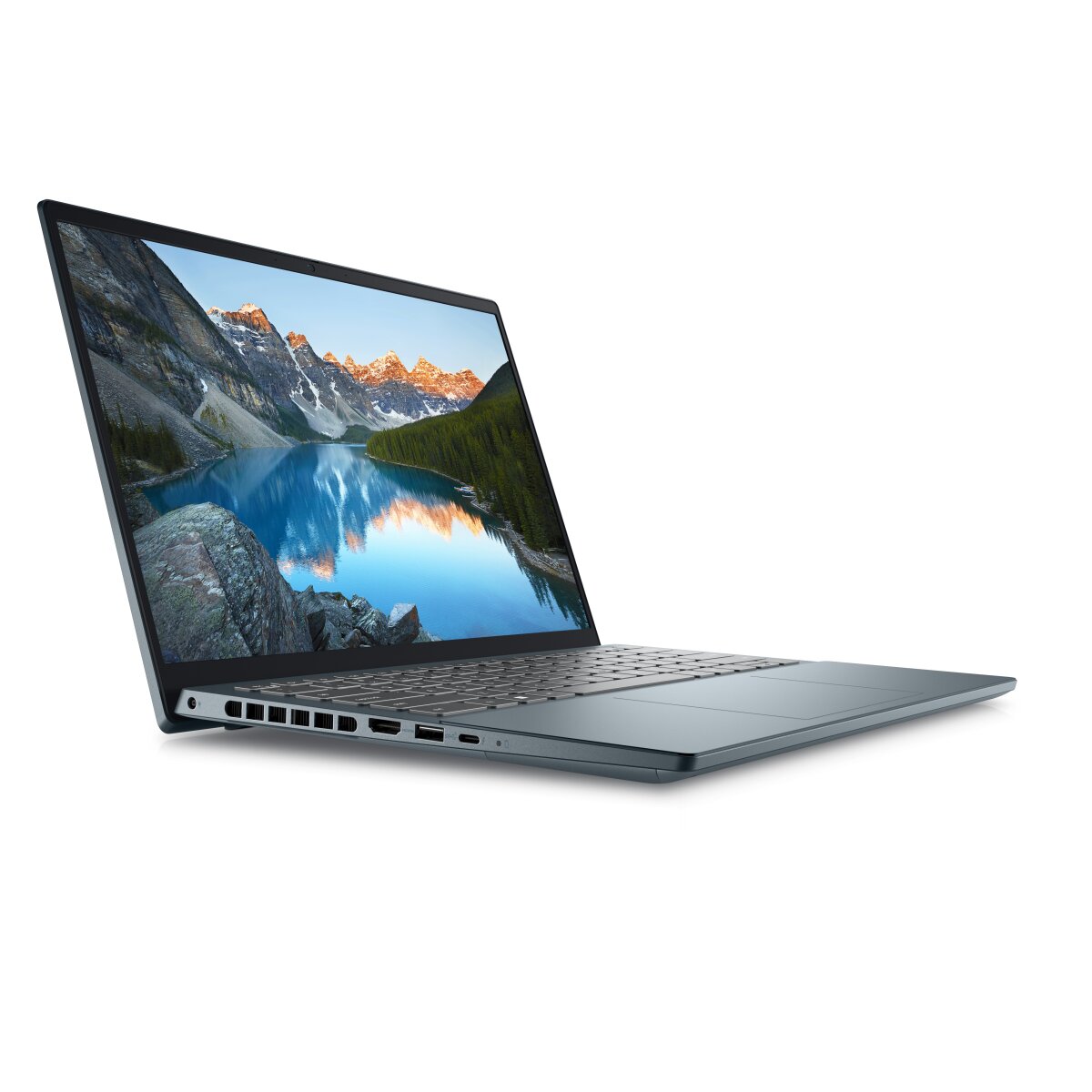
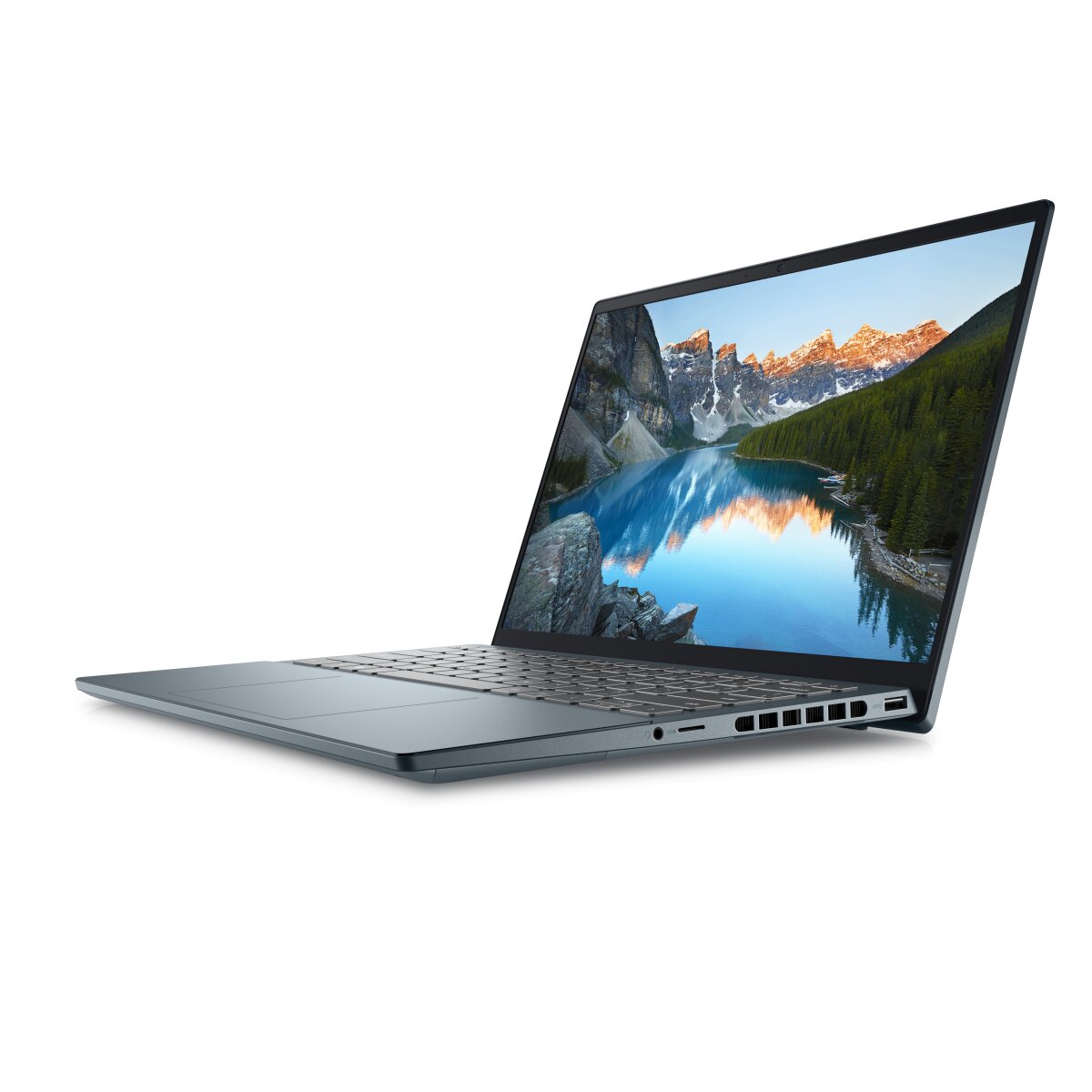
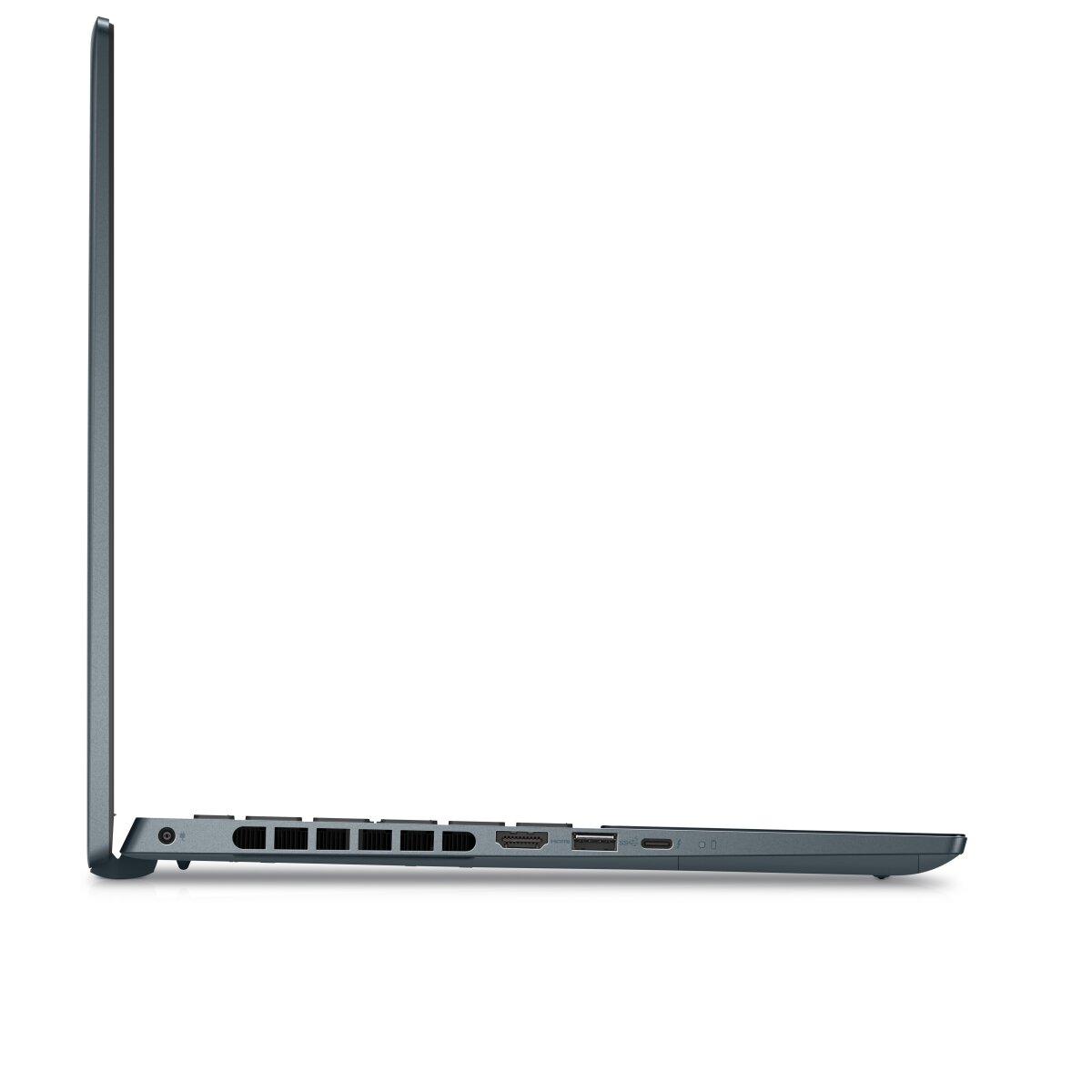
Dell Inspiron 14 Plus 7000 Series model 7420 supports DDR5-SDRAM memory upgrades. The laptop features one SO-DIMM memory slot for expansion, with maximum RAM capacity of 40 GB. Memory specifications include DDR5-SDRAM operating at 4800 MHz frequency. Upgrade compatibility requires SO-DIMM form factor modules. The system includes on-board memory combined with the single expandable SO-DIMM slot, allowing users to enhance overall system memory capacity for improved performance.
Memory Upgrade Specifications
| Specification | Value |
|---|---|
| Memory slots | 1x SO-DIMM |
| Form factor | On-board + SO-DIMM |
| Memory type | DDR5-SDRAM |
| Frequency | 4800 MHz |
| Maximum RAM | 40 GB |
| Voltage | 1.1V |
| Number of pins | 262-pin |
| Interface | PC5 |
| PC Speed Rating | PC5-4800 (PC5-38400) |
| Bandwidth | 38.4 GB/s |
| Laptop Release date | 04 December 2022 |
Additional Notes
- The Dell Inspiron 14 Plus 7420 features soldered memory that cannot be removed or replaced, limiting future upgrades to the single accessible SO-DIMM slot.
- The 40 GB maximum capacity indicates 8 GB of non-upgradable soldered RAM, as SO-DIMM modules are available in 4, 8, 16, and 32 GB capacities but not 32 GB when combined with onboard memory to reach 40 GB total.
- DDR5-4800 operates on a dual-channel architecture, requiring the SO-DIMM upgrade to match the soldered memory capacity for optimal bandwidth utilization across both channels.
- Installing a SO-DIMM module that exceeds the soldered memory capacity will result in asymmetric dual-channel operation, where only a portion of the larger module runs in dual-channel mode while the remainder operates in slower single-channel mode.
- The 4800 MHz specification represents JEDEC standard speed for DDR5, meaning higher-frequency modules will automatically downclock to this baseline when installed.
- DDR5 SO-DIMM modules require 1.1V operating voltage, incompatible with DDR4 slots due to different notch positioning and electrical requirements.
- The single SO-DIMM slot design requires complete system disassembly to access the memory compartment, as most 14-inch ultraportable chassis position the slot beneath the motherboard.
- Mixing different DDR5 module manufacturers between the soldered and SO-DIMM components may cause stability issues due to variations in IC timing parameters and on-die ECC implementation.
- DDR5's on-module PMIC architecture means the SO-DIMM controls its own power management independently from the soldered memory, potentially creating thermal variations under sustained workloads.
- Warranty preservation requires using DDR5 modules that meet JEDEC specifications, as non-standard or overclocked memory can void coverage if detected during service diagnostics.