DELL Inspiron 7791 RAM upgrade specifications



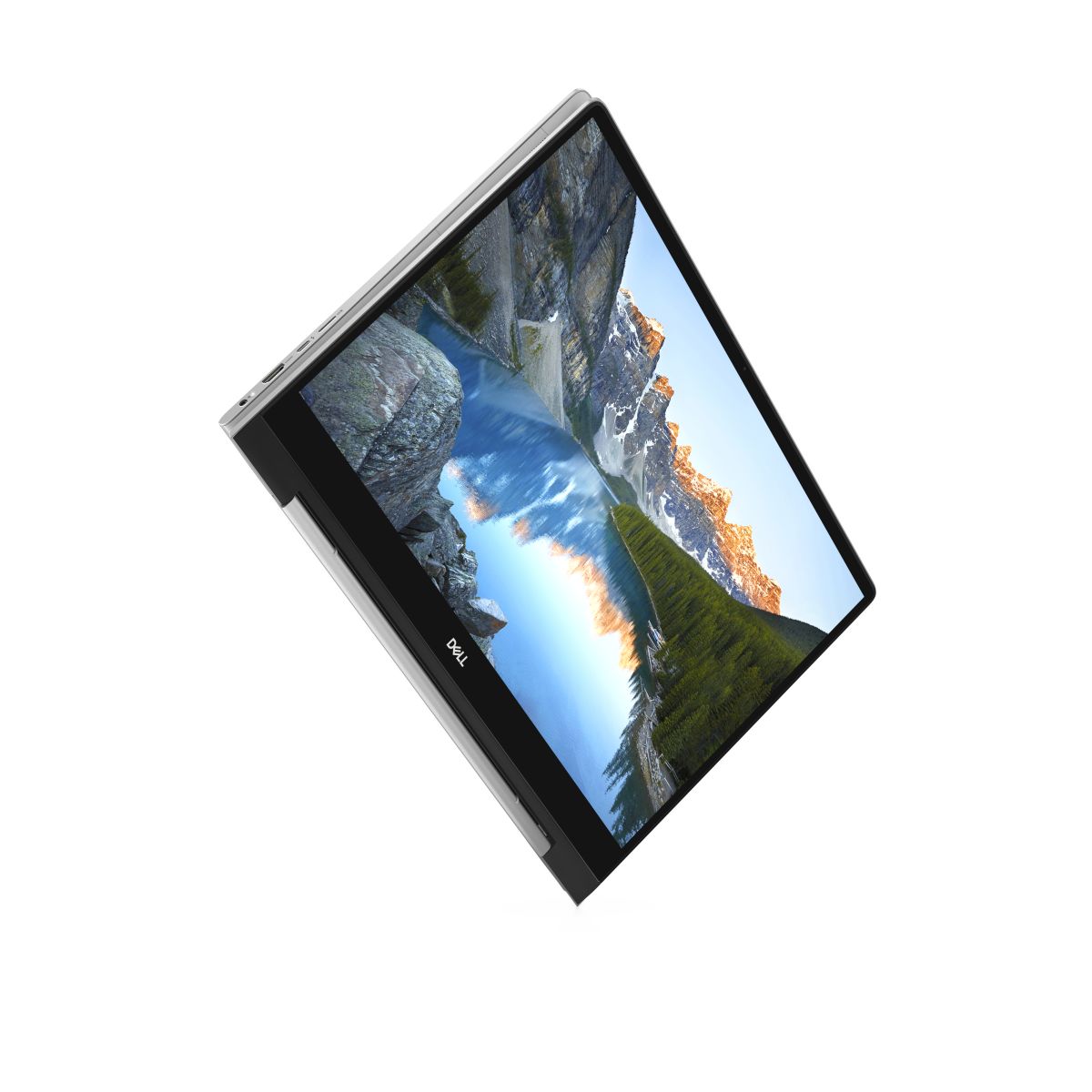

The Dell Inspiron 7000 Series 7791 laptop features DDR4-SDRAM memory upgrade specifications with 2x SO-DIMM slots. Maximum RAM capacity reaches 16 GB total, with compatible modules operating at 2666 MHz frequency. The SO-DIMM form factor enables straightforward memory upgrades for enhanced system performance. Specifications support standard DDR4 memory configurations, providing flexibility for RAM expansion to meet increased computing demands.
Memory Upgrade Specifications
| Specification | Value |
|---|---|
| Memory slots | 2x SO-DIMM |
| Form factor | SO-DIMM |
| Memory type | DDR4-SDRAM |
| Frequency | 2666 MHz |
| Maximum RAM | 16 GB |
| Voltage | 1.2V |
| Number of pins | 260-pin |
| Interface | PC4 |
| PC Speed Rating | PC4-2666 (PC4-21328) |
| Bandwidth | 21.3 GB/s |
| Laptop Release date | 03 October 2019 |
Additional Notes
- The 16 GB maximum capacity limitation indicates a chipset-level constraint rather than a slot-based restriction, preventing the installation of higher-density modules even when physically compatible SO-DIMM slots remain available.
- DDR4-2666 represents JEDEC standard timing rather than overclocked specifications, eliminating compatibility risks associated with XMP profile dependencies that require BIOS support.
- The DELL Inspiron 7791 dual-channel architecture delivers theoretical peak memory bandwidth of 42.6 GB/s when both SO-DIMM slots contain matched modules, compared to 21.3 GB/s in single-channel configurations.
- Mixing modules with different CAS latencies creates timing negotiation scenarios where the memory controller defaults to the slowest common denominator, potentially degrading performance below the faster module's rated specifications.
- SO-DIMM physical access typically requires bottom panel removal in this form factor, with potential seal-breaking implications for systems still under manufacturer warranty coverage.
- Non-ECC unbuffered module requirements restrict compatibility to consumer-grade memory, as registered or ECC variants introduce incompatible electrical characteristics despite matching physical dimensions.
- The 2666 MHz frequency ceiling prevents leveraging higher-speed DDR4-3200 modules at their rated specifications, as the memory controller enforces frequency downclocking to supported thresholds.
- Asymmetric capacity configurations such as 4 GB plus 8 GB maintain dual-channel operation only within the lower module's capacity range, reverting remaining capacity to single-channel bandwidth.
- Voltage specifications locked at 1.2V standard eliminate low-voltage module advantages while preventing installation damage from incompatible 1.35V or 1.5V legacy variants.