DELL Inspiron 3168 RAM upgrade specifications
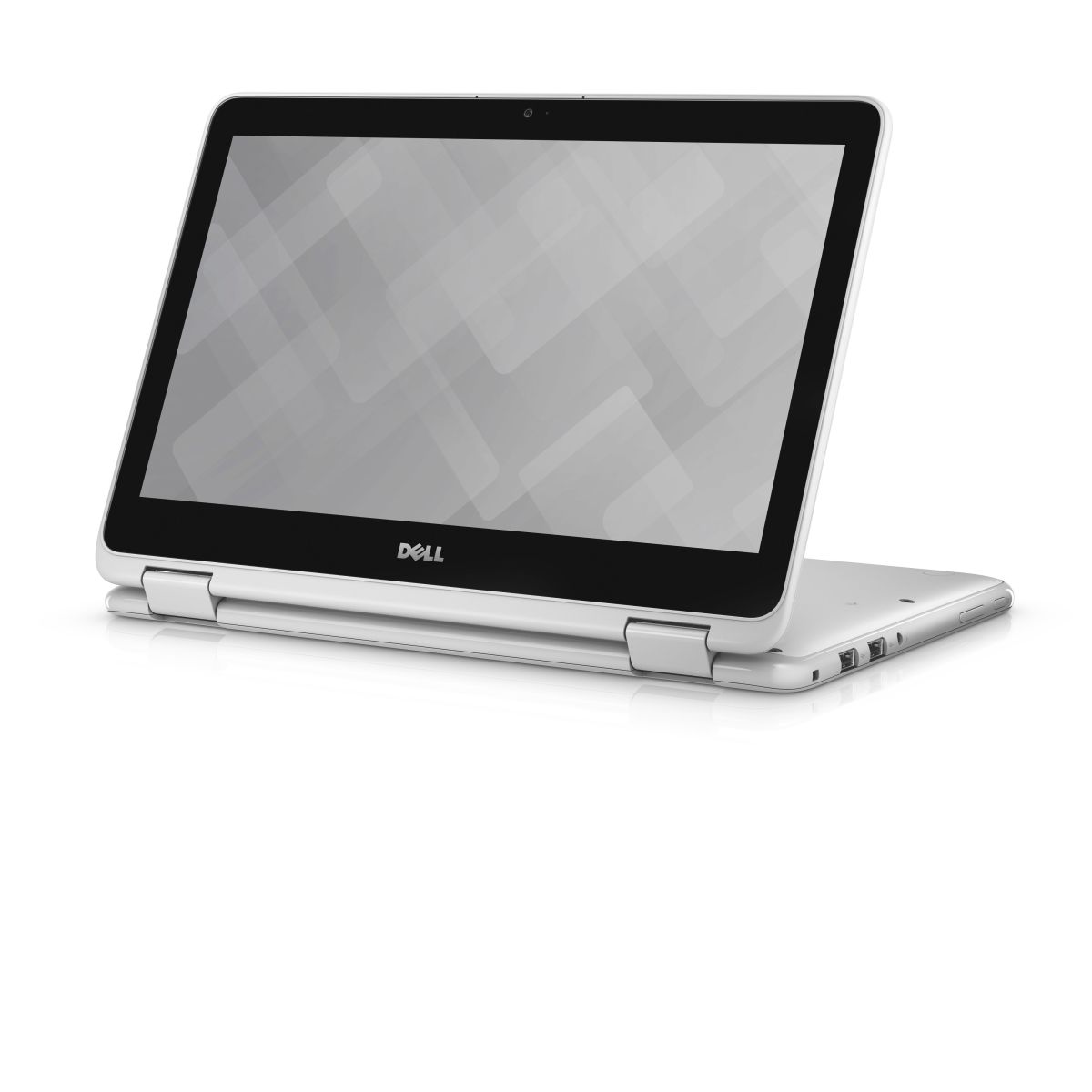
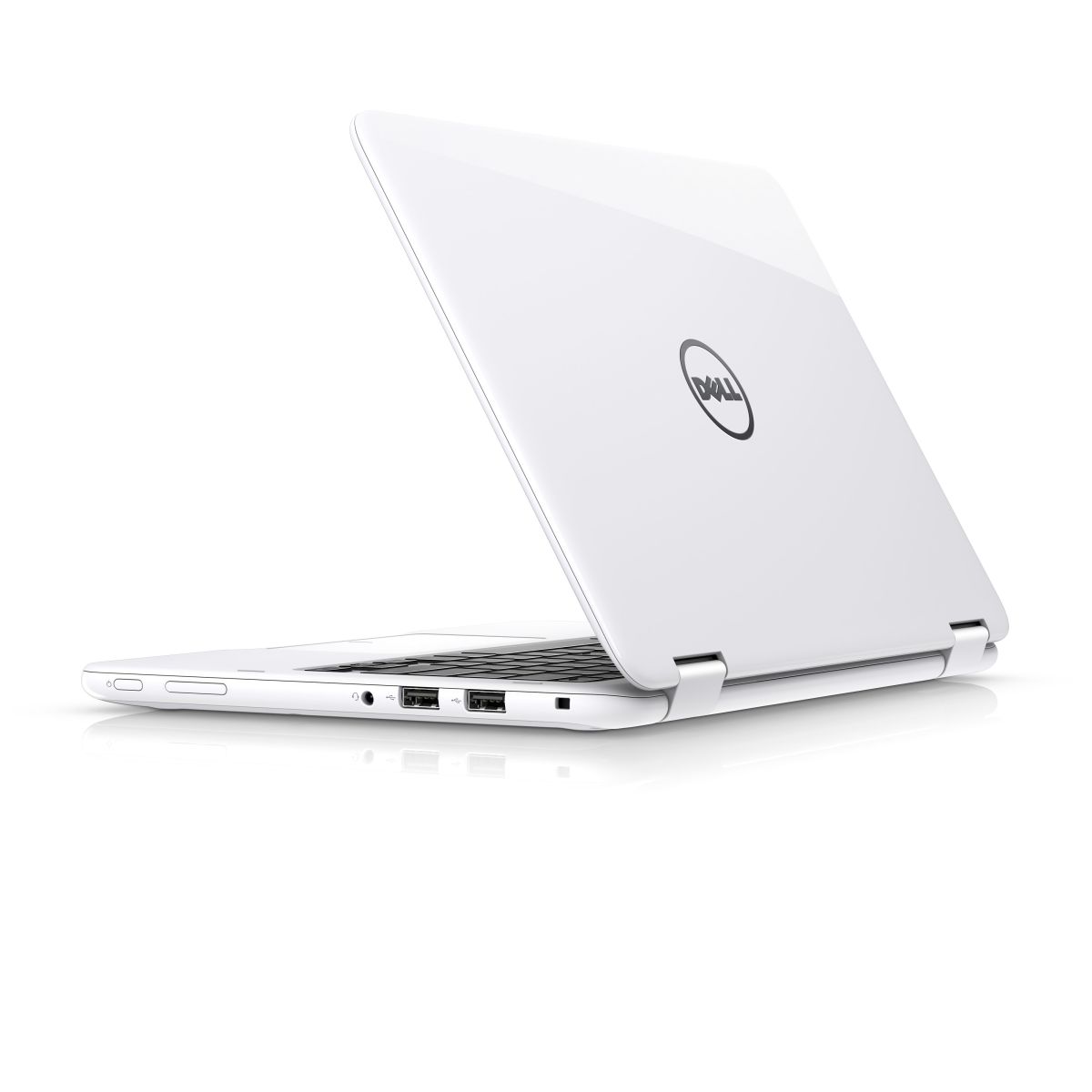

DELL Inspiron 3000 Series 3168 laptop features one SO-DIMM memory slot supporting DDR3L-SDRAM upgrade capacity. Maximum memory configuration reaches 4 GB with DDR3L modules operating at 1600 MHz frequency. RAM upgrade specifications indicate single slot architecture with DDR3L-SDRAM compatibility. Memory expansion compatible with SO-DIMM form factor modules. Specifications detail maximum upgrade capacity and frequency parameters for memory upgrades.
Memory Upgrade Specifications
| Specification | Value |
|---|---|
| Memory slots | 1x SO-DIMM |
| Form factor | SO-DIMM |
| Memory type | DDR3L-SDRAM |
| Frequency | 1600 MHz |
| Maximum RAM | 4 GB |
| Voltage | 1.35V (Low Voltage) |
| Number of pins | 204-pin |
| Interface | PC3L |
| PC Speed Rating | PC3L-1600 (PC3L-12800) |
| Bandwidth | 12.8 GB/s |
| Laptop Release date | 11 February 2019 |
Additional Notes
- The Dell Inspiron 3168 uses low-voltage DDR3L-SDRAM rather than standard DDR3, requiring modules rated at 1.35V instead of 1.5V to prevent potential system instability or boot failures.
- A single SO-DIMM slot configuration eliminates dual-channel memory operation, effectively halving potential memory bandwidth compared to systems with 2 populated slots.
- The 4 GB maximum capacity constraint prevents upgrading beyond a single 4 GB module, limiting multitasking headroom for memory-intensive applications or operating systems requiring 8 GB or more.
- 1600 MHz operation translates to PC3L-12800 specification, meaning modules rated at higher speeds like 1866 MHz will downclock automatically to match the system's supported frequency.
- The solitary expansion slot forces a complete module replacement rather than supplemental installation, rendering the original RAM unusable if upgrading from a pre-installed 2 GB configuration.
- DDR3L SO-DIMM modules with 204 pins are physically incompatible with desktop DIMM slots, requiring specific laptop-format memory for any upgrade attempt.
- Systems limited to 4 GB total capacity typically allocate shared memory to integrated graphics, reducing available system RAM below the installed physical amount during graphics-intensive tasks.
- The absence of dual-channel support results in reduced performance for workloads dependent on memory bandwidth, including integrated GPU rendering and large dataset processing.
- Warranty-safe upgrades require accessing the underside panel per manufacturer guidelines, though single-slot designs generally present fewer installation complications than multi-slot configurations.